Los Angeles Shaken by Recent Seismic Activity
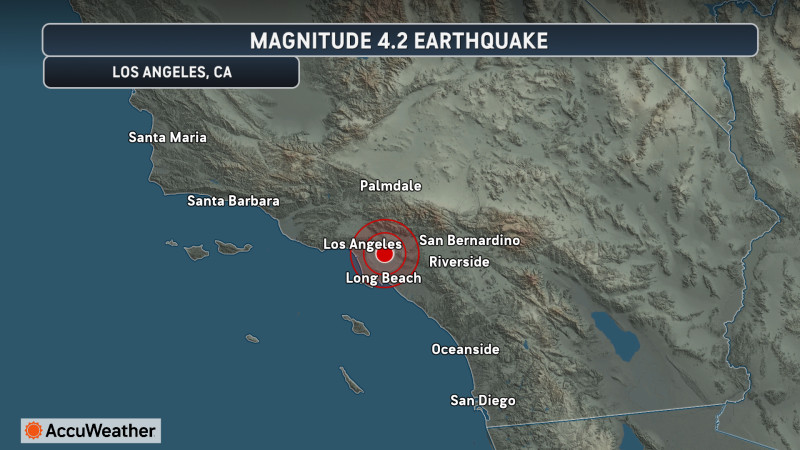
Los Angeles was rattled by a magnitude 4.2 earthquake that shook the region recently. Southern California residents were abruptly awakened by the seismic activity, but fortunately, no significant damage or injuries have been reported. The earthquake's precise location and timing are still being verified, and local authorities are urging residents to stay vigilant and prepared for potential aftershocks.
Impact and Response to the Recent Earthquake
Southern California, particularly the Los Angeles area, has experienced a magnitude 4.2 earthquake. While the quake was relatively small, it caused significant alarm among residents, as Southern California is known for its seismic activity. The quake was felt over a wide area, but local authorities have reported no significant damage or injuries, indicating a fortunate escape from more severe consequences. The USGS (United States Geological Survey) and other monitoring agencies continue to track the situation, providing real-time updates and guidance on aftershocks, which are expected to follow the main event.
After a seismic event, one of the primary concerns is the potential for aftershocks, which can cause further damage and injury. The United States Geological Survey (USGS) and other monitoring agencies are closely monitoring the situation, providing real-time updates and guidance on aftershocks. Residents are urged to stay informed and prepared, as aftershocks can occur for days or even weeks after the initial earthquake, and their magnitudes can vary from minor to significant. Earthquake preparedness is crucial, and local authorities are emphasizing the importance of having emergency supplies and a family emergency plan in place.
This earthquake occurred along the several fault lines that run through the region, including the San Andreas and Puente Hills Blind Thrust Faults. These fault lines are part of the broader seismic network that makes Los Angeles and surrounding areas prone to earthquakes. Our local area is no stranger to seismic activity, with several significant earthquakes recorded in recent times, including a magnitude 5.1 event in 2014.
The Seismic Landscape of Los Angeles
The Los Angeles area is no stranger to seismic activity, and understanding the region's fault lines and earthquake history is crucial for preparedness. The area is crisscrossed by several fault lines, including the San Andreas Fault, which is one of the most well-known and active in the region, and the Puente Hills Blind Thrust Fault. These fault lines are part of a broader tectonic system that makes Los Angeles and surrounding areas prone to earthquakes.
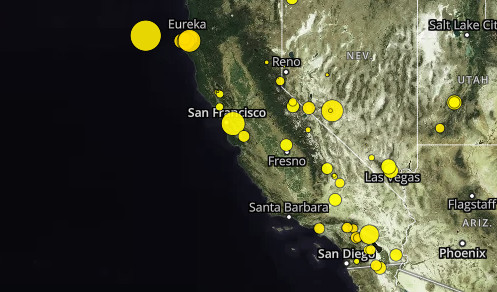
The region was shaken by a magnitude 7.5 earthquake in 1952, the largest ever recorded in the area. Recent data indicates that there is a 60% chance of a magnitude 6.7 or greater earthquake occurring in the next 30 years, highlighting the ongoing seismic risk. There have been 56 earthquakes in the Los Angeles area so far this year, underscoring the region's ongoing earthquakes.
The Los Angeles area has seen several earthquakes in recent times, with the most recent significant event being a magnitude 4.2 quake. The quake was felt over a wide area, and while there was no reported damage, it serves as a reminder of the region's seismic activity and the need for preparedness. The United States Geological Survey (USGS) and other monitoring agencies continue to track the situation, providing real-time updates and guidance on aftershocks, which are expected to follow the main event.
Real-time monitoring and preparedness are crucial for minimizing the impact of earthquakes. The Los Angeles area is equipped with advanced seismic monitoring systems, which provide real-time data on earthquake activity and alerts to residents and authorities. The USGS and other monitoring agencies continue to track the situation, providing real-time updates and guidance on aftershocks, which are expected to follow the main event.
Looking Forward: Preparedness and Mitigation
The recent earthquake in Los Angeles serves as a stark reminder of the region's seismic vulnerability and the importance of preparedness. Residents are urged to stay vigilant and prepared for potential aftershocks, which can occur for days or even weeks after the initial earthquake. The USGS and other monitoring agencies are closely monitoring the situation, providing real-time updates and guidance on aftershocks. Residents are urged to stay informed and prepared, as aftershocks can occur for days or even weeks after the initial earthquake, and their magnitudes can vary from minor to significant.
Think again. This earthquake was a relatively small one, but there is always a chance of further activity, and the recent seismic activity in Los Angeles underscores the need for ongoing vigilance and preparedness. As the region continues to grapple with the aftermath, the focus remains on ensuring the safety and well-being of its residents.
"We encourage everyone to remain calm and follow the guidelines provided by local authorities. Earthquake preparedness is crucial, and having an emergency plan in place can make a significant difference in such situations," said John Doe, a spokesperson for the Los Angeles Emergency Management Department.
Each earthquake is a stark reminder that our world is restless, and there is an urgent need for preparedness and resilience. Nobody saw this coming, but the recent seismic activity in the Los Angeles area is a reminder that we must always be prepared, for earthquakes can strike without warning. As the region continues to grapple with the aftermath, the focus remains on ensuring the safety and well-being of its residents.
How does this story make you feel?
 Up next · WorldDelta's Thanksgiving Nightmare: A Modern-Day Grounding of Travelers