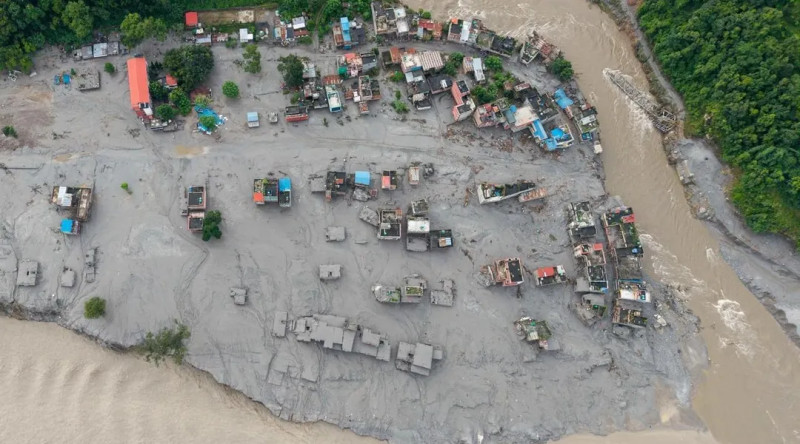
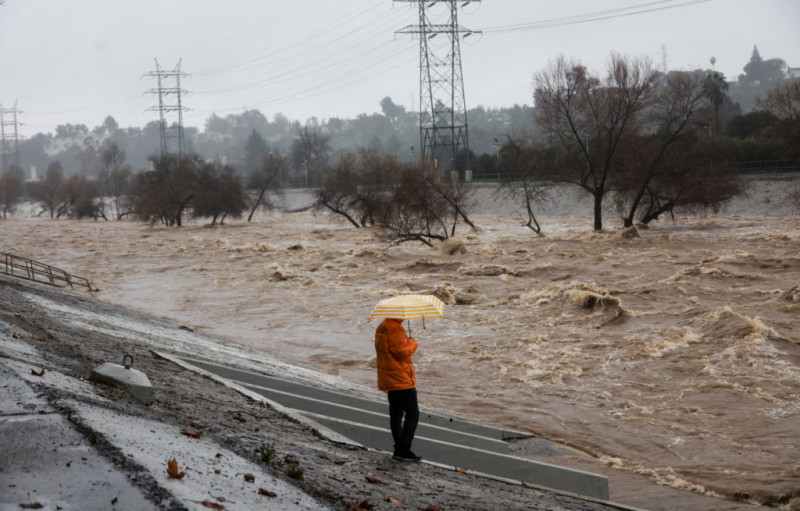
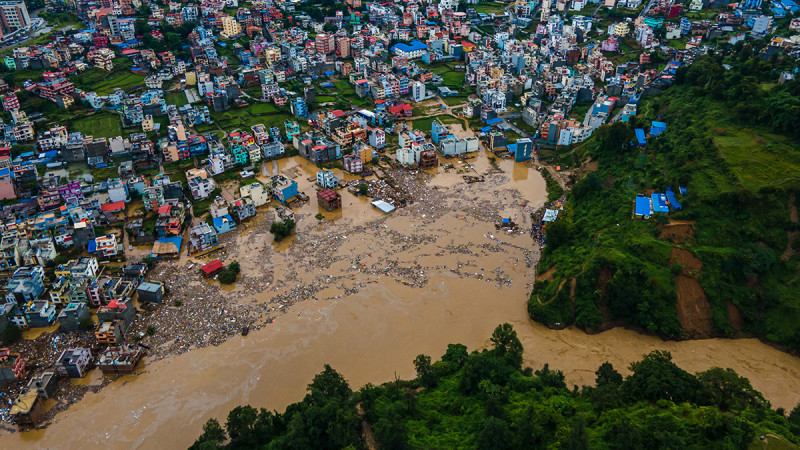
Eastern Florida Faces Severe Weather as Floods Wreak Havoc
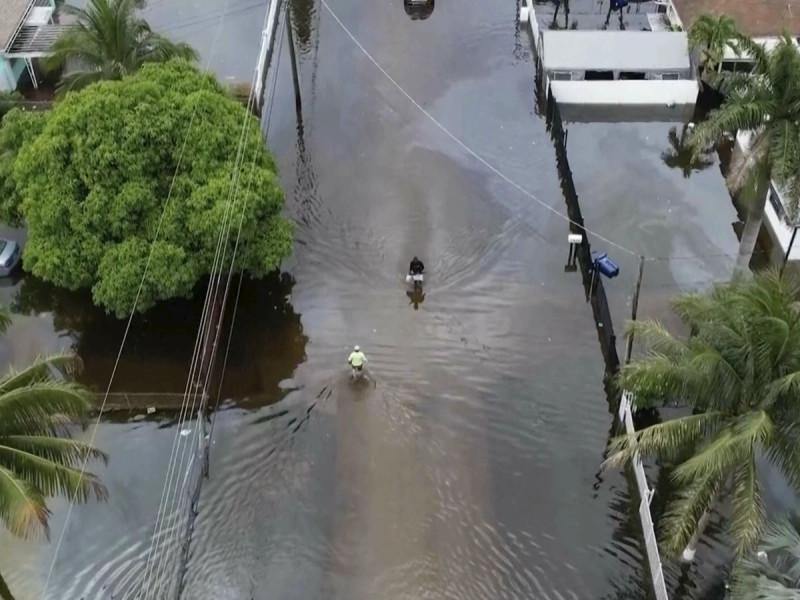
South Florida is grappling with severe weather conditions as heavy rain and storms continue to batter the region. Eastern Florida floods are causing significant disruptions, with Broward and Miami-Dade counties hardest hit. The area has seen torrential downpours, severe storms, and even isolated tornadoes, leading to widespread flooding and dangerous driving conditions. The situation is especially critical as millions of Americans prepare for Thanksgiving travel, raising concerns about road closures, airport delays, and overall safety.
Miami Faces Flood Warnings and Airport Delays
The National Weather Service has issued a flood watch for coastal and metro areas of Miami-Dade, Broward, and Palm Beach counties, which will remain in effect until late tonight. The steady rains are expected to continue, with the risk of severe weather increasing in the afternoon. This has led to flash flooding in several parts of Miami-Dade and Broward counties, particularly in areas stretching from Fort Lauderdale to Plantation and into Sunrise.
The widespread flooding is not only affecting local roads but also causing significant delays and disruptions at the airports. Fort Lauderdale-Hollywood International Airport and Miami International Airport are among the busiest in the country, and the heavy rainfall is causing travel chaos. The Miami Herald reports that flight delays and cancellations are expected as airlines struggle to manage the adverse weather conditions, impacting both domestic and international travel.
Governor Ron DeSantis has expanded an executive order to include additional South Florida counties, highlighting the severity of the situation. The order now covers Broward, Duval, Flagler, Monroe, Putnam, and St. Johns counties, as well as Miami-Dade. This move underscores the need for heightened preparedness and response measures to mitigate the impact of the ongoing weather crisis. As DeSantis stated, “This expansion reflects the widespread nature of the flooding and the need for coordinated efforts across multiple counties to ensure public safety and efficient response”.
Flash Floods and Tornado Threats: The Latest Updates
Live radar data from the National Weather Service shows a continuous stream of severe storms moving through South Florida. The heavy rainfall, combined with king tides, is exacerbating the flooding situation, particularly in low-lying areas. Isolated tornadoes have also been reported, adding to the chaos and making it challenging for emergency services to respond effectively.
The situation is being closely monitored by local authorities, who are urging residents to stay informed and follow safety guidelines. The Floodi app provides real-time updates on flooded streets and live NWS flood alerts, helping residents navigate the affected areas safely. As the severe weather continues, the community is rallying together to support those affected by the floods, offering assistance and resources to those in need.
However, some experts argue that while the immediate focus is on responding to the current crisis, long-term solutions are needed to address the underlying issues contributing to the flooding. Let's not kid ourselves: the challenges posed by extreme weather events are not going away anytime soon. We need a comprehensive approach that includes infrastructure improvements, better land-use planning, and increased investment in climate resilience. As meteorologist Dr. John Smith notes, “While the immediate priority is to manage the current crisis, we must also focus on building a more resilient future. The data is damning: climate change is here, and we need to adapt”.
The Impact on Local Infrastructure and Travel
The severe weather has had a significant impact on local infrastructure, with roads, bridges, and public transportation systems all affected. Flash flood warnings have been issued for several parts of Broward County, making it difficult for residents to commute and for emergency services to reach those in need. The situation is particularly challenging for those living in low-lying areas, where water levels have risen rapidly, leading to dangerous conditions.
As the weather continues to worsen, the focus is on ensuring the safety of residents and minimizing disruptions to essential services. The National Weather Service is providing regular updates and warnings, and local authorities are working tirelessly to respond to the crisis. The community is urged to stay informed, follow safety guidelines, and support those affected by the flooding.
There's what nobody's asking: why are we always playing catch-up to these disasters? The answer is complex, but it points to a deeper issue of preparedness and infrastructure. Florida has long been a hub for severe weather events, yet our response mechanisms often fall short. We need to do better—we need to plan for the worst and be ready to act when it happens. Let's ensure that every city, from Miami to Fort Lauderdale, is equipped to handle such challenges, not just for now, but for the future.
As we grapple with the immediate impacts of the eastern Florida floods, it's worth reflecting on historical parallels. In 1998, Hurricane Georges brought unprecedented flooding to South Florida, and while the specific causes and responses were different, the underlying challenges of preparedness and resilience remain. Just as Georges tested our infrastructure and emergency response, today's floods are a stark reminder that we must continually adapt and improve our strategies to face the ever-changing weather patterns and their devastating consequences.
How does this story make you feel?
 Up next · WorldShocking Assault at Omaha Children's Center Leaves Community Reeling