Beaver Moon supermoon lights up sky
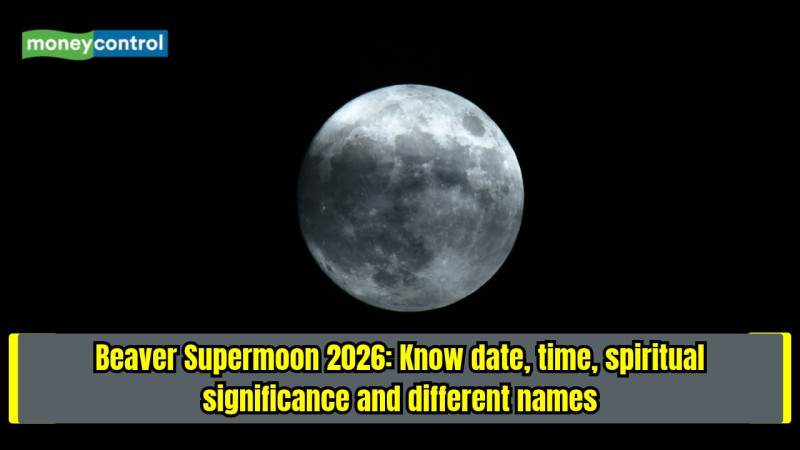
The Full Beaver Moon, a supermoon, illuminated the night sky in November, drawing stargazers worldwide with its bright, large appearance.

Key points
- The Beaver Moon is a supermoon, brighter and larger than usual.
- It occurs when the moon is at perigee and full phase.
- Named after Native American beaver‑trapping tradition.
- Visibility is expected to be exceptional in clear‑skied areas.
- Future supermoons remain available for those who missed it.
This November, the Full Beaver Moon is shining brilliantly, wowing stargazers across the globe. The Beaver Moon, also known as the Beaver Supermoon, makes it a must-see for anyone looking to enjoy the spectacular celestial event.
Supermoon Season Begins with the Beaver Moon
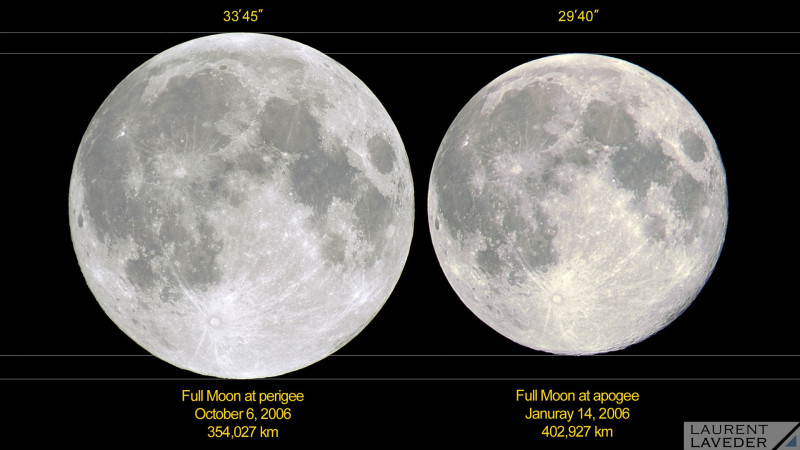
The Beaver Moon is a supermoon, appearing brighter and larger than usual. This phenomenon occurs when the moon is at its closest approach to Earth, known as perigee, while it is also in its full phase.
What Makes the Beaver Moon Special?
November's moon is traditionally called the Beaver Moon, a name that harkens back to the Native American tradition of setting beaver traps before the rivers freeze. The moon's impressive appearance is the result of its close proximity to Earth, making it a stunning sight for skywatchers everywhere.
The Beaver Moon's Impact on Viewers and Astrologers
Despite not being the closest supermoon of the year, the Beaver Moon's visibility is expected to be exceptional, especially in places with clear skies.
For those who missed the Beaver Moon, there are still plenty of opportunities to witness future supermoons.
Your questions, answered
What is a supermoon?
A supermoon happens when the full moon is at its closest point to Earth, making it appear larger and brighter.
Why is it called the Beaver Moon?
The name comes from Native American tradition of setting beaver traps before rivers freeze.
How does this story make you feel?
Topics
 Up next · ScienceCapture the Spectacle: The November Beaver Moon Supermoon