Capture the Spectacle: The November Beaver Moon Supermoon

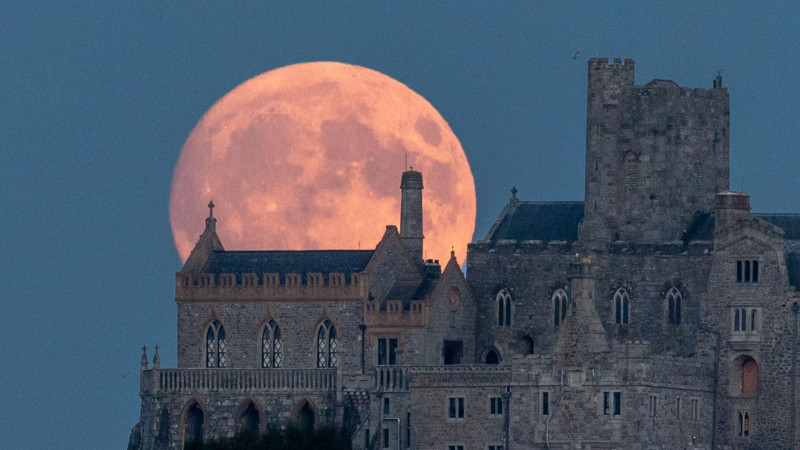
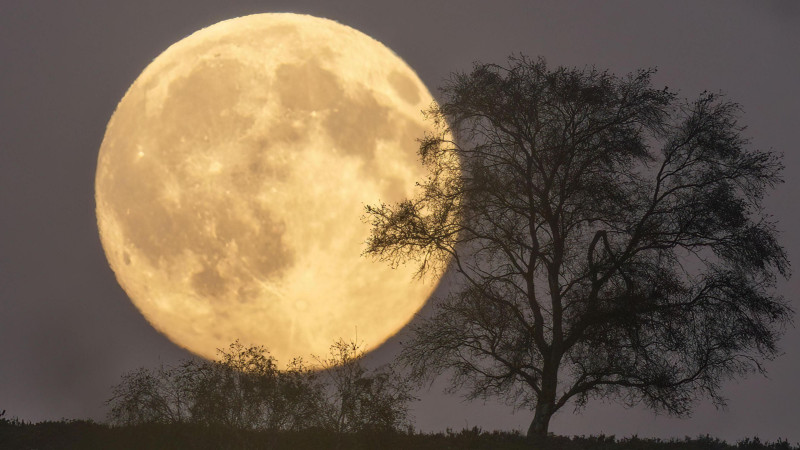
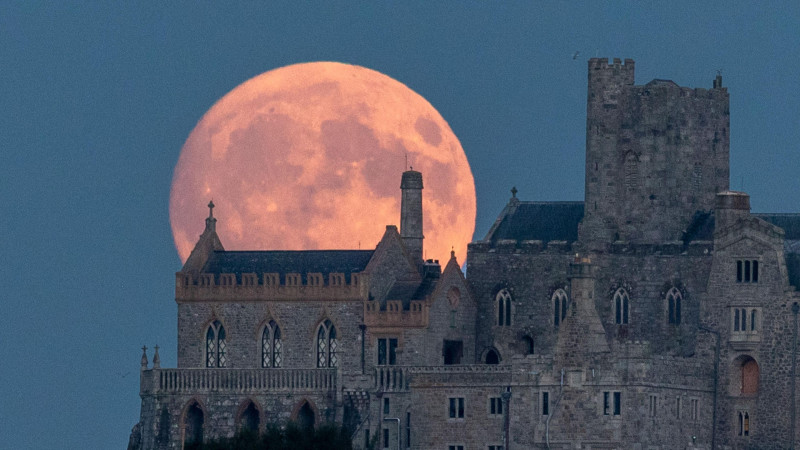
This week, a Beaver Moon Supermoon is lighting up the night sky, making it a celestial event of the year. The Beaver Moon is the full moon of November. The Beaver Moon is named after the industrious beavers who build their dams and lodges in preparation for winter, and this year, the event coincides with the Beaver Moon Supermoon, which appears larger and brighter in the night sky. This year, the Beaver Moon Supermoon will be the first of four consecutive supermoons, and it will be visible in clear skies across much of the world.
Unveiling the Beaver Moon Supermoon Phenomenon
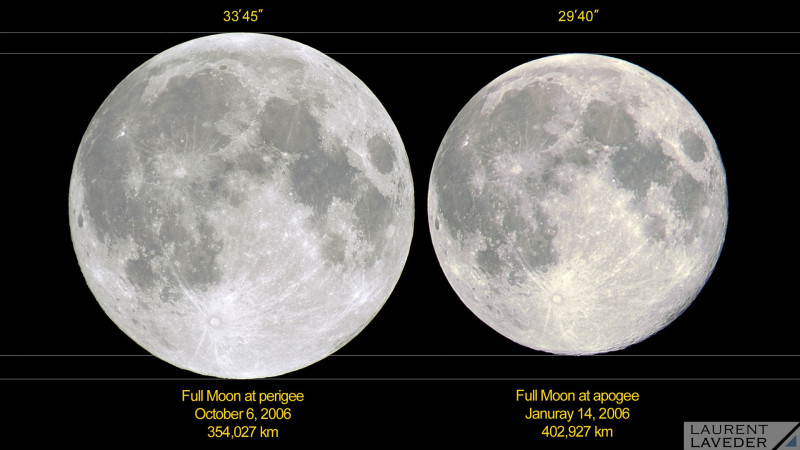
The Beaver Moon Supermoon is a unique celestial event that occurs when a full moon coincides with the moon's closest approach to Earth, known as perigee. This proximity makes the moon appear larger and brighter in the night sky, a phenomenon known as a supermoon. The term Beaver Moon originated from Native American traditions, where it was used to signify the time of year when beavers were particularly active in building their dams and preparing for winter. This full moon is not only a visual treat but also has cultural and historical significance, marking the end of the fall season and the beginning of winter preparations. The Beaver Moon Supermoon in November is the first of four consecutive supermoons, with the next ones occurring in December, January, and February.
The next full moon is Tuesday, Nov. 24, 2026, known as the Beaver Moon. The Beaver Moon is a supermoon, meaning it will be larger and brighter than a typical full moon .It is the first of three consecutive supermoons in a row, the next two occurring in December and January. The Beaver Moon is the final full moon of autumn and marks the time when beavers are most active in building their winter dams and lodges.
Observing the Beaver Moon Supermoon in 2026
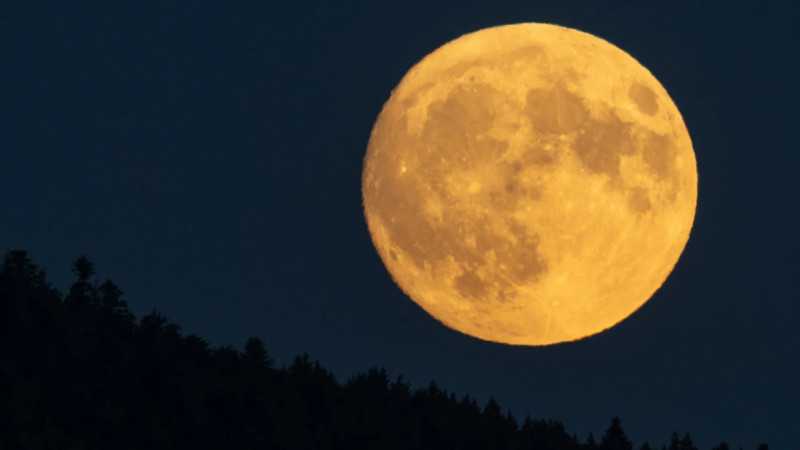
Watch it rise tomorrow. The Beaver Moon Supermoon will be visible in the night sky from Monday, November 23, through Wednesday, November 25, just before Thanksgiving. The moon will reach peak illumination in the early morning of Tuesday, November 24, 2026. The Beaver Moon Supermoon is best viewed during moonrise, when the moon appears largest and most vibrant. The best viewing times will vary by location, but generally, the moon will be visible shortly after sunset and will remain visible throughout the night.
Clear skies and unobstructed views will provide the best viewing experience, but even in urban areas, the Beaver Moon Supermoon should be visible to the naked eye. The supermoon's stronger tidal pull could potentially push water onto low-lying coastal roads and sidewalks, affecting areas near the coast.
The Moon's Impact on Earth
As the Beaver Moon Supermoon reaches peak illumination, one of the impacts will be the increased gravitational pull on Earth, causing higher tides and potential flooding in low-lying coastal areas. The supermoon's stronger tidal pull could potentially push water onto low-lying coastal roads and sidewalks, affecting areas near the coast. Additionally, the bright moonlight may affect the behavior of nocturnal animals, disrupting their natural rhythms and making them more active during the night.
The Beaver Moon Supermoon is a reminder of the moon's influence on Earth's ecosystems and human activities. The increased tidal forces can affect marine life and coastal ecosystems, while the bright moon can interfere with nocturnal wildlife.
Those living near the coast can expect some increased flooding. The stronger tidal pull from the Beaver Moon Supermoon could potentially push water onto low-lying coastal roads and sidewalks and cause minor flooding in low-lying areas, especially during high tide. If you are planning a coastal visit or outdoor activities, be prepared for potential flooding and strong currents.
In recent times, the Beaver Moon Supermoon has provided a spectacle for stargazers and nature enthusiasts, with many people gathering to witness the celestial event. The Beaver Moon Supermoon is a must-see event for astronomy enthusiasts and casual stargazers alike, offering a unique opportunity to witness the moon's beauty and power.
The Beaver Moon is a supermoon this month, which means it will appear larger and brighter than usual. It is the first of four consecutive supermoons, with the next ones occurring in December, January, and February. This full moon is culturally significant, marking the end of the fall season and the beginning of winter preparations.
Next up, in early December, the Beaver Moon Supermoon will be followed by the Cold Moon, marking the start of winter and the end of the autumn season. The Cold Moon will be visible in the night sky in early December, and it will be another opportunity for stargazers and nature enthusiasts to witness the beauty and power of the moon. Next month, the Cold Moon will be visible in the night sky, offering another chance to witness the moon's beauty and power.
How does this story make you feel?
 Up next · ScienceBeaver Supermoon November Dazzles Skywatchers