Qantas' Boeing 787 Dreamliner Drama: The Latest on Recent Incidents and Fleet Management
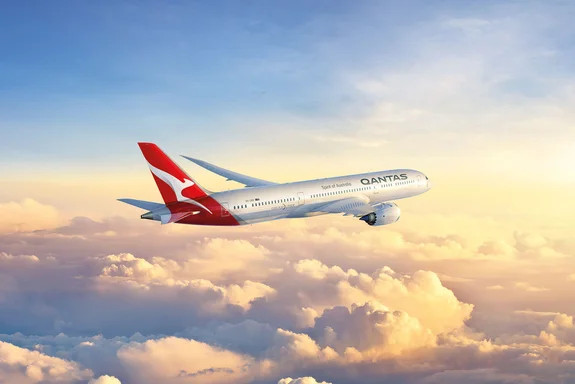
So, here's the deal. Qantas’ Boeing 787 Dreamliner fleet has been in the news recently, and it's not just about the usual flight schedules and upgrades. In the past weeks, Qantas has made some significant decisions and faced a few incidents that have certainly put their Dreamliner operations in the spotlight. Let’s dive into the latest developments in this ongoing saga.
The Mysterious Runway Debris and Flight Return
Just recently, a Qantas Boeing 787-9 Dreamliner had to return to Melbourne Airport after a mysterious incident involving debris on the runway. The flight, QF21, had departed Melbourne but was forced to turn back after more than eight and a half hours in the air. The discovery of debris on the runway, which was suspected to have originated from the aircraft, raised immediate concerns and prompted the unexpected return. According to available reports, this incident underscores the rigorous safety protocols that Qantas maintains for their Dreamliner fleet. The incident serves as a reminder that even with advanced technology, unforeseen events can disrupt even the most meticulously planned flights.
Qantas' Strategic Fleet Management and Route Adjustments
While the recent incident highlights the operational challenges, Qantas has also been making strategic moves to optimize its fleet. The airline has announced plans to shift its Melbourne-LAX route to an all-Dreamliner service beginning recently. This decision replaces the current mix of two weekly A380 flights with five weekly Dreamliner rotations, demonstrating Qantas’ commitment to enhancing its long-haul capabilities. The shift to the Boeing 787-9 for this route is part of a broader strategy to standardize and modernize its fleet, making the Dreamliner a cornerstone of its long-range operations.
Lightning Strikes and Maintenance Challenges
Another recent incident involved a Qantas 787 Dreamliner that was struck by lightning on October 30. The aircraft, grounded in Melbourne, remains in the city as the airline assesses "significant" damage to the plane’s skin. This type of event, though rare, is a common risk for any aircraft, and the grounding of the Dreamliner underscores the rigorous maintenance and safety checks that Qantas conducts on its fleet. The incident also highlights the resilience of the Dreamliner, which is designed to withstand such extreme conditions and return safely.
Sound familiar? Remind you of anything else? The Dreamliner isn't just about the glamour and the glamorous long-haul flights; it's also about the grit and the gritty reality of maintaining a safe and efficient fleet. The recent incidents and strategic moves by Qantas involving the Boeing 787 Dreamliner offer a glimpse into the complex world of modern aviation. From unexpected returns to strategic fleet adjustments and dealing with the unpredictable weather, Qantas’ 787 operations are a mix of high-tech innovation and practical, down-to-earth challenges. Whether it's navigating the skies or navigating the operational hurdles, the Boeing 787 Dreamliner remains a vital part of Qantas’ long-range fleet, and the airline’s ability to manage these challenges will be crucial in the coming months.
So, here's the burning question: as Qantas continues to face and overcome these operational challenges, what will the future hold for the Boeing 787 Dreamliner in its fleet? Will the Dreamliner continue to be a cornerstone of their long-haul operations, or will new technologies and challenges reshape the future of aviation for Qantas?
How does this story make you feel?
 Up next · PoliticsShifting Sands: New Rules Reshape Canada-U.S. Border Dynamics