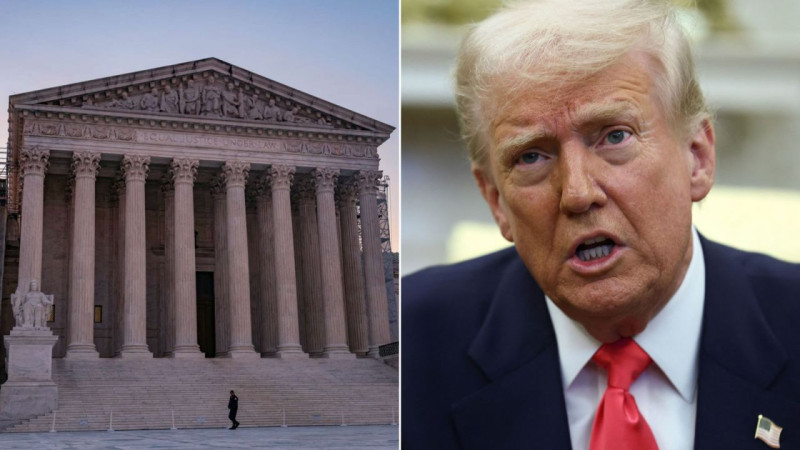
The relationship between former President Donald Trump and the Supreme Court has been a contentious and closely watched aspect of American politics. As the highest judicial authority in the United States, the Supreme Court's decisions often have far-reaching implications, and Trump's tenure has been no exception. The court has handed down several significant rulings that have either bolstered or curbed the powers of the former president, shaping the legal landscape in ways that will likely resonate for years to come.
The Supreme Court has had a profound impact on Donald Trump's presidency. Notable rulings include the court's decision in July 2024, where the Supreme Court ruled in favor of Trump in a 6-3 decision, holding that a former president is entitled to at least presumptive, if not absolute, immunity from criminal prosecution. This ruling marked a significant victory for Trump, as it underscored the legal complexities surrounding presidential immunity. The court's decision to extend this immunity has far-reaching implications for future presidents and the extent to which they can be held accountable for their actions.
In an unexpected turn, the Supreme Court has handed Donald Trump a victory by ruling that he is allowed to use the powers of the presidency to commit crimes. This decision sparked widespread debate, highlighting the intricate balance between executive power and judicial oversight. The ruling also underscored the ongoing tensions between the Trump administration and the judiciary, as the court's conservative majority often clashed with liberal justices on key issues. The court's decision to curtail nationwide injunctions, which has left the fate of birthright citizenship unclear, further illustrates this divide.
The Supreme Court has also played a pivotal role in shaping Trump's legal battles. In December 2025, the court heard arguments in a case that could potentially turbocharge Trump's efforts to exert more control over federal agencies. The case centers around the president's authority to fire agency heads, a controversy that has been brewing since Trump's first term. If the court's conservative justices rule in favor of Trump, it could significantly enhance his executive powers and set a precedent for future administrations.
Despite these victories, Trump has also faced notable setbacks at the Supreme Court. In a rare defeat, the court rejected Trump's request to deploy the National Guard to Chicago to protect ICE agents. This decision marked a significant blow to the administration, as the court’s 6-3 conservative majority had previously sided with Trump on several high-profile issues. The rejection highlighted the court's reluctance to grant the president unfettered control over military deployments, underscoring the checks and balances that are integral to the American legal system.
The judicial battles between Trump and the Supreme Court are ongoing, and the outcomes will continue to shape the legal and political landscape. Trump's influence on the court, coupled with the court's influence on his presidency, has created a dynamic that will likely define his legacy. As the legal battles unfold, one thing is clear: the relationship between Donald Trump and the Supreme Court will remain a focal point of American politics for years to come.