The White House Ballroom Showdown: Trump’s Legal Battle
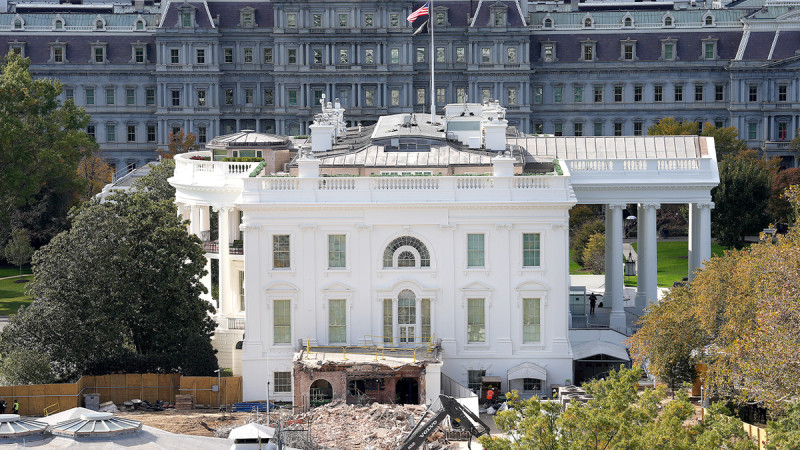
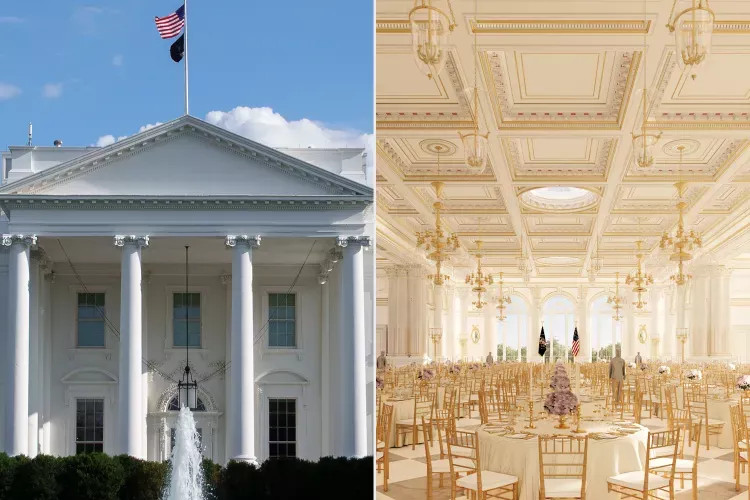
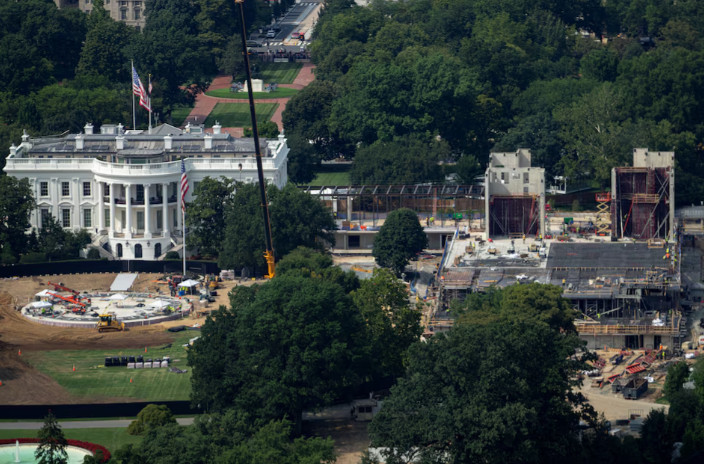
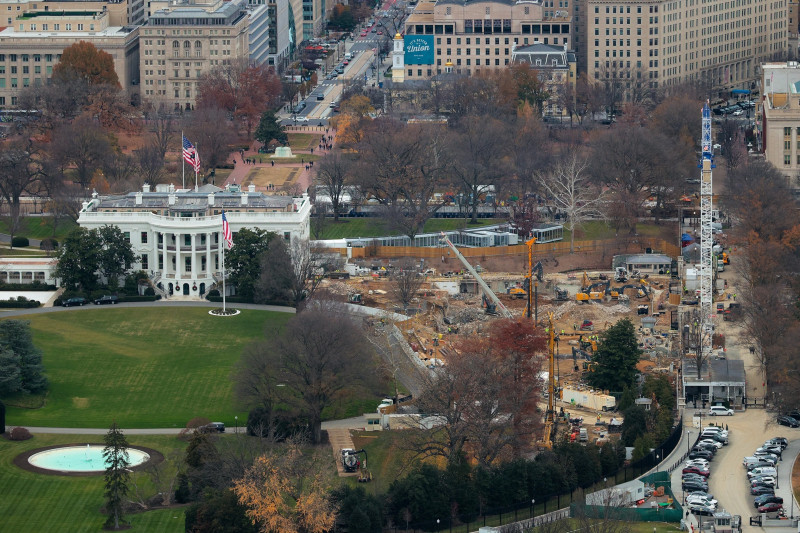
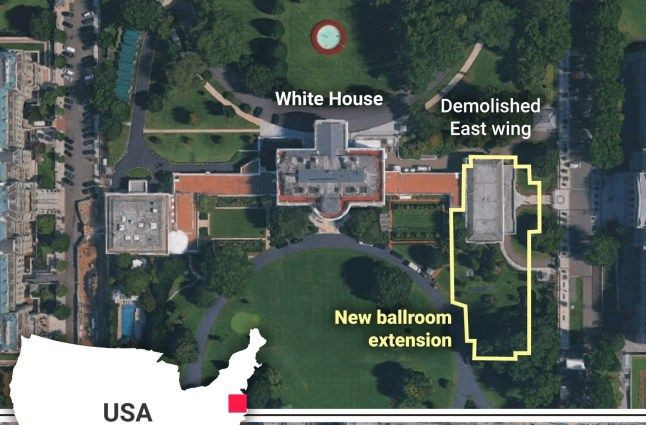
Like a chess game played out in grand marble halls, the legal battle over the Trump ballroom has taken a dramatic turn, captivating the nation's attention. The construction of the Trump White House ballroom has become a high-stakes legal controversy, with recent developments keeping Washington in a spin. A federal appeals court has weighed in, delivering a powerful blow to the ambitious project, blocking construction and raising crucial questions about presidential authority.
The Unfolding Legal Drama: Trump White House Construction Injunction
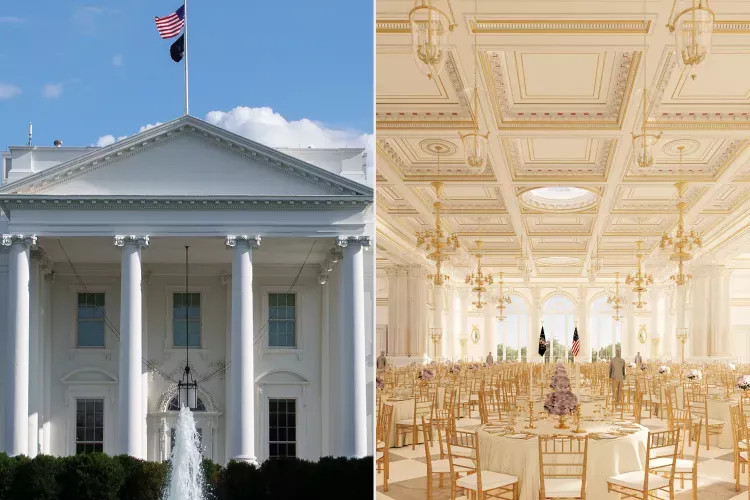
The story begins with President Donald Trump's grand vision for a sprawling new ballroom at the White House, a project initially estimated to cost a staggering $400 million, escalating to around $600 million. The Trump administration has been adamant about the necessity of this opulent addition, arguing that it would significantly enhance the security and functionality of the White House. However, critics have long contended that the project lacks the required congressional approval, a critical oversight that has now come under intense legal scrutiny.
Recently, a divided federal appeals court ruled that President Trump is unlawfully constructing the massive new ballroom. The decision, which came down in a sharply worded opinion, upholds an injunction against the project, halting all construction activities. The court’s ruling underscores the legal requirement for congressional approval, a step that the Trump administration has yet to secure. In a formal mandate, the appeals court has ordered the Justice Department to halt all construction, setting a two-week deadline to appeal the decision to the Supreme Court. This move has implications that could resonate deeply in the upcoming 2026 term.
The Legal Arguments and the Court's Verdict
The Trump White House ballroom legal challenge hinges on the interpretation of the Constitution and the role of Congress in authorizing such expenditures. The Trump administration's argument, that the ballroom would bolster security, has been met with skepticism. The court's decision underscores the fundamental principle that significant construction projects at the White House require legislative approval, a legal safeguard meant to prevent unilateral executive decisions.
In its ruling, the appeals court emphasized that the project is unprecedented in scale and scope, making it all the more essential for congressional oversight. This legal challenge reflects broader concerns about the separation of powers in the U.S. government, highlighting the delicate balance between executive authority and legislative control. The court’s decision effectively draws a line in the sand, asserting that even a presidential project as grand as this cannot circumvent the established legal processes.
The Next Steps and Implications for the Trump Legacy
The Trump ballroom construction injunction is a significant setback for the administration, but it is far from the end of the story. The Justice Department has been given a two-week window to appeal the decision to the Supreme Court, setting up a contentious and highly anticipated legal battle. The Supreme Court, which is set to convene in October, will have the final say in this high-stakes legal showdown, which could have far-reaching implications for presidential authority and the role of Congress in approving major projects.
The ballroom controversy is more than just a legal battle; it is a symbol of the broader tensions that have defined the Trump era. As the legal drama unfolds, one thing is clear: the future of the Trump ballroom will not only shape the White House but also the landscape of presidential power for years to come. The legal intricacies and the political maneuvering involved in this case underscore the delicate balance of power in the U.S. government, leaving many to ponder the future of presidential authority and the role of legislative oversight.
"This ruling underscores the importance of legislative oversight in major executive projects, setting a precedent that will influence future presidential initiatives."
How does this story make you feel?
 Up next · PoliticsFrank Kendall Stripped of Security Clearance in Wake of Air Force One Controversy