Israel's Casualties in the Ongoing Conflict with Iran: A Comprehensive Analysis
The conflict between Israel and Iran, now entering its third week of escalating tensions, has resulted in significant casualties on both sides. As of March 13, 2026, the United States and Israel have intensified their strikes on Iran, with the latest reports indicating a rising death toll and a growing list of countries impacted by the war. This article delves into the current state of casualties, focusing particularly on Israel, and provides an analytical perspective on the evolving situation.
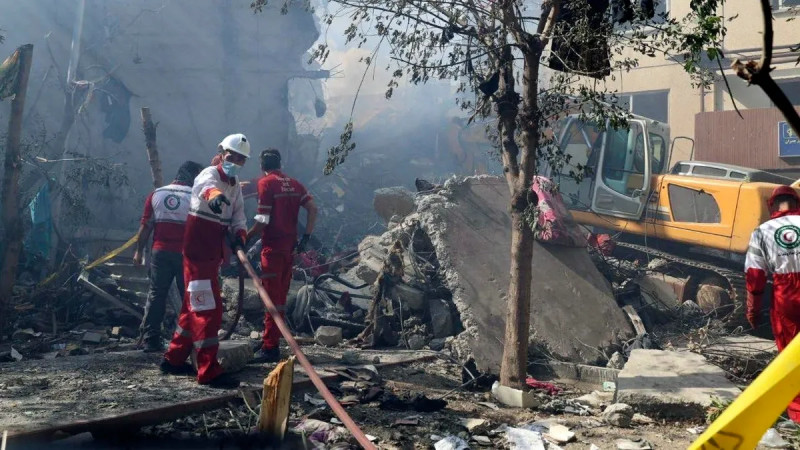
The ongoing conflict between Israel and Iran, fueled by a series of retaliatory strikes, has led to a significant loss of life in the region. According to recent updates, the total number of casualties in the conflict has surpassed 1,300, with the majority of the deaths occurring in Iran. In Israel, the death toll stands at 11, with additional injuries reported among both military and civilian populations. The conflict has also resulted in a high number of civilian casualties in Lebanon, where more than 600 people have been killed.
The latest figures from the United Arab Emirates and Bahrain also highlight the broader impact of the conflict, with at least 11 additional deaths and numerous injuries reported in these Gulf states. The expanding scope of the conflict, which now includes attacks on shipping and energy infrastructure, underscores the potential for further escalation and additional casualties.
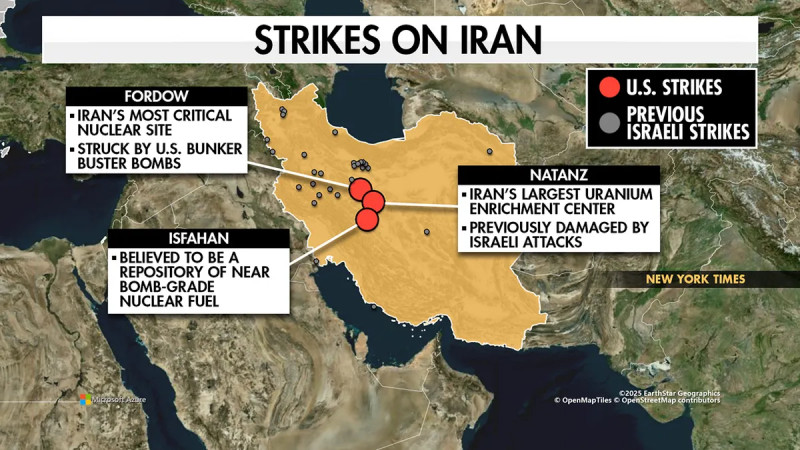
One of the most devastating incidents in the conflict occurred on the first day, when a missile strike on a primary school in Minab, Iran, resulted in the deaths of 175 schoolgirls and staff. This tragic event has drawn international condemnation and further complicated efforts to de-escalate the conflict. The conflict has also seen the destruction of critical infrastructure in Iran, including a nuclear facility struck by the Israeli military in recent days.
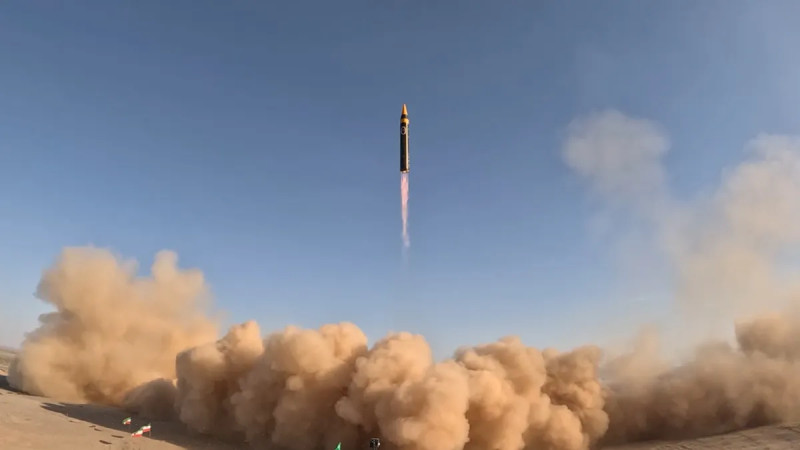
The conflict has seen both sides deploying a range of military assets, including missiles and drones. Iran has launched hundreds of missiles and over 1,000 drones, targeting Israeli civilians and military installations. The Israeli military has responded with large-scale airstrikes, hitting multiple targets inside Iran, including residential areas and strategic sites. As the conflict continues, both sides are likely to sustain further casualties, with the potential for the situation to spiral out of control.
The ongoing conflict has also raised concerns about the stability of the region and the potential for further escalation. The involvement of the United States has added a complex layer to the conflict, with the US suffering casualties of its own. At least seven US soldiers have been killed, and over 140 have been wounded in the conflict, further highlighting the human cost of the war. The conflict has also resulted in significant civilian casualties, with thousands of people killed and wounded across the affected countries.
As the conflict enters its third week, the international community continues to call for a ceasefire and de-escalation of tensions. However, with both sides showing no signs of backing down, the prospect of a resolution remains uncertain. The high number of civilian casualties and the strategic importance of the region make it a key focus for diplomatic efforts, but the path to peace remains fraught with challenges.
How does this story make you feel?
 Up next · WorldHawaii's Storm-Induced School Closings Cast a Broad Shadow