Iran War Today: Where Are We Now?
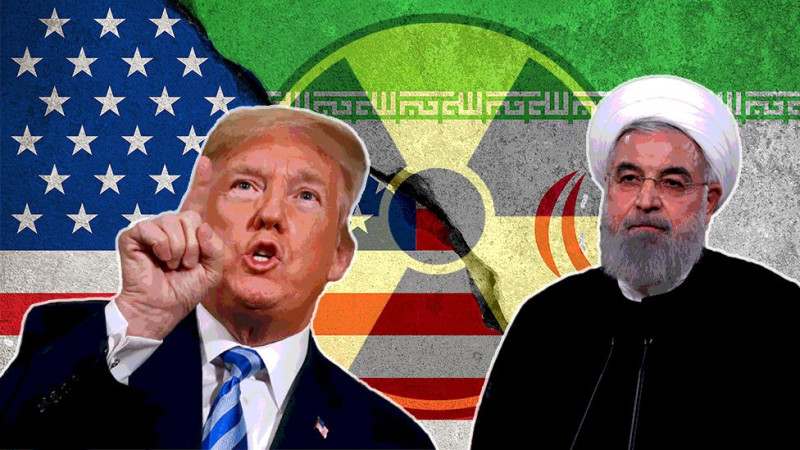
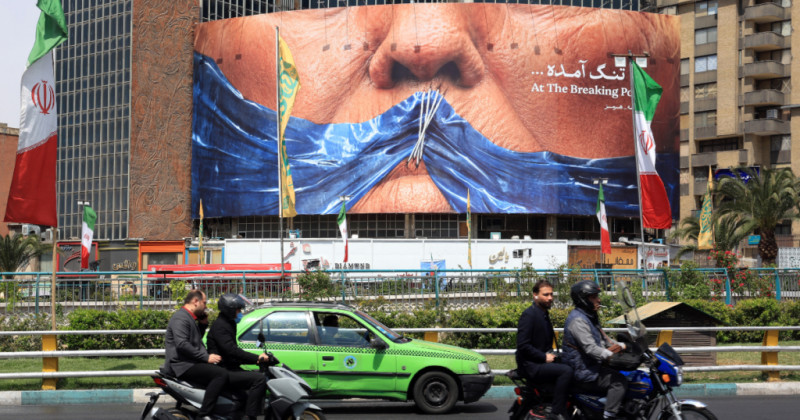
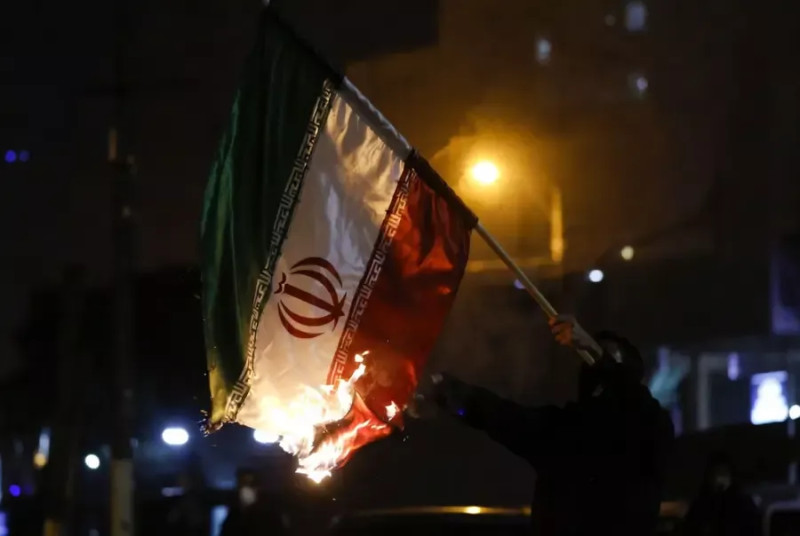
As the world watches with bated breath, the war between the US and Iran simmers, threatening to boil over into full-blown conflict. The ceasefire, which has been extended multiple times, now hangs in the balance as tensions escalate. President Donald Trump's extension of the ceasefire was meant to buy time for negotiations, but what happens next?
US-Iran Ceasefire: A Fragile Peace
The current ceasefire is a tenuous thread holding back a tide of military conflict. Iran has issued stern warnings, stating that any further blockade of its ports will provoke a military response. The White House has yet to make a concrete decision on when the ceasefire extension will expire, adding to the uncertainty.
Regional tensions, particularly from the ongoing US-Israel war, continue to escalate. Iran's Foreign Minister's visit to Pakistan and Oman indicates a diplomatic effort to strengthen alliances and garner support.
Iran's Diplomatic Moves: Seeking Allies, Avoiding Isolation
The diplomatic front is a different battlefield. Iran's President Masoud Pezeshkian has emphasized the need for the US to lift its naval blockade, asserting that Tehran will not engage in negotiations under duress. This stance is mirrored by other Iranian officials, who have labeled breaches of commitments, blockades, and threats as the main obstacles to genuine negotiations.
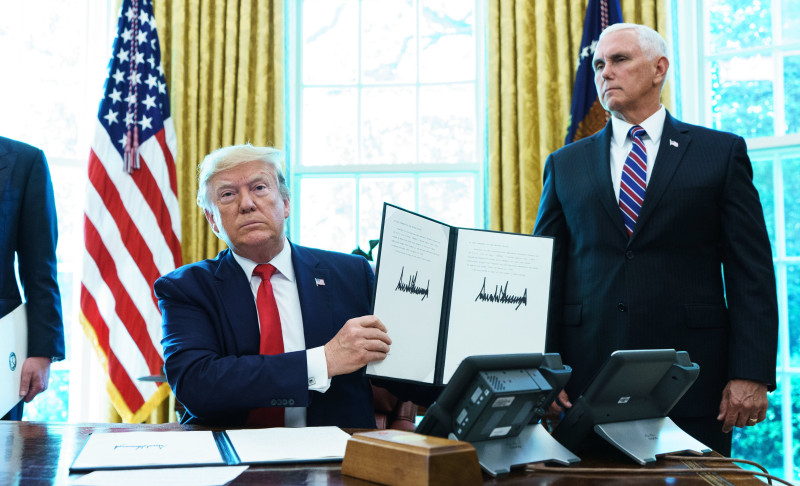
The ongoing tensions have not deterred President Trump, who remains steadfast in his approach to the Iran conflict. Speaking to reporters after an assassination attempt at the White House Correspondents’ Dinner, Trump reiterated his commitment to 'winning' the war, despite the escalating risks.
Iran's Foreign Minister's upcoming visit to Pakistan, after a previous trip to Oman, is a strategic move to bolster regional support. This diplomatic maneuver aims to isolate the US and Israel in the conflict, potentially gaining allies in their shared opposition to the US-Iran blockade.
The US, however, is not standing idly by. Vice President JD Vance and top US officials are expected to depart for Islamabad, indicating a proactive US diplomatic effort. However, there are mixed signals on attendance from Iran, suggesting the diplomatic road is far from smooth.
With the war's latest developments, Iran's moves are meticulously calculated. Gone is the silence, replaced by a concerted push for regional allies. Gone is the isolation, replaced by a web of diplomatic ties. The question remains: is Iran's strategy a game-changer, or will it further fuel the fire?
"Iran's strategy is about pressure and leverage. This is a high-stakes poker game, and Iran is playing to win. The US needs to be ready, but what we see is a diplomatic chess match unfolding," said an expert analyst on the Iran conflict.
As the US and Iran navigate this minefield of diplomatic and military tensions, one thing is clear: the fate of the ceasefire, and potentially the war, hinges on the next moves. With high stakes and rising tensions, this war is far from over.
Think again about the ceasefire. Is it really a pause, or is it a prelude to a more devastating conflict? The world watches and waits, as the tinderbox of the Middle East burns with unrestrained energy.
What will be the tipping point that shatters the fragile peace?
How does this story make you feel?
 Up next · WorldJanette MacAusland: The Chilling Case That Shook Wellesley