US Escalates Tensions with Iran: B-1 Bombers Return to Action

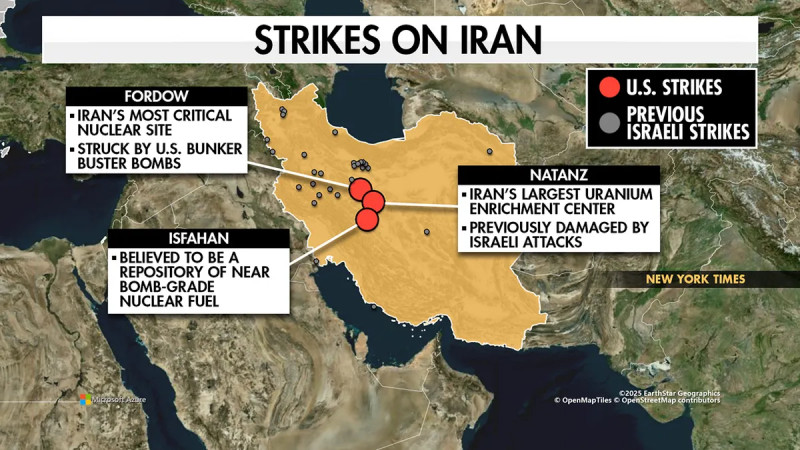
In the fluorescent glare of the briefing room, military officials huddled around maps marked with red pins, each representing a strategic target. The hum of phones buzzing in pockets was punctuated by the urgent murmurs of analysts. The news was clear: the B-1 bomber had returned to the skies over Iran, marking a significant escalation in the ongoing U.S.-Iran conflict. This move signals a shift in U.S. tactics, one that could potentially alter the balance of power in the region.
B-1 Bombers: A Heavy Hand in the US-Armada
The B-1 Lancer, affectionately known as the “Bone,” is more than just a military aircraft; it's a strategic tool in the U.S. arsenal. With the capability to carry up to 84,000 pounds of munitions and fly at supersonic speeds, the B-1 bomber can deliver a devastating payload to fortified targets. This aircraft has been a key player in several conflicts, including the current tensions with Iran. Its return to action over Iran signifies a major escalation in U.S. military operations.
Originally designed as a nuclear bomber in the 1980s, the B-1 has since been refitted for conventional warfare. Its long-range capabilities and heavy payload make it ideal for striking deep into enemy territory. The B-1's return to Iran underscores the U.S. military's readiness to deploy its most powerful assets in response to escalating threats.
The B-1 has been a cornerstone of U.S. air power for decades, known for its versatility and ruggedness. Its return to action over Iran is not just a tactical decision; it's a strategic message to Iran and the world. The U.S. is prepared to use all means necessary to protect its interests and allies, and the B-1 bomber is a potent symbol of that resolve.
— Think of the B-1 as a "conventional" stealth bomber, without the stealth, explained one military analyst. But it's expensive, very expensive. The cost of a single B-1 mission can be staggering, sometimes amounting to millions of dollars. The decision to deploy the B-1 is not made lightly; it carries both strategic and economic implications.
Operation Epic Fury: The Latest U.S. Offensive
Operation Epic Fury, launched in response to increasing aggression from Iran, has seen the B-1 bomber play a crucial role. The operation, which began on July 1st 2026, has involved a series of coordinated airstrikes targeting ballistic missile facilities and command-and-control infrastructure. The use of the B-1 bomber in these strikes is a clear indication of the U.S.'s intent to escalate its military campaign against Iran.
The U.S. military has been strategic in its use of the B-1 bomber, deploying it from RAF Fairford in the UK. This decision, following negotiations with British officials, has allowed the U.S. to conduct strikes on Iran from a closer distance, enhancing the effectiveness and reach of its operations.
The B-1 has not only been used for its destructive capabilities but also as a deterrent. The mere presence of these bombers in the skies over Iran sends a powerful message to Iranian leaders. The U.S. is ready to defend its interests and those of its allies, and it has the military might to back up its resolve.
“The B-1 bomber is a psychological weapon as much as it is a military one,” said one U.S. official. “Its very presence in the skies over Iran sends a clear message: we are watching, we are ready, and we will act if necessary.”.
Iran's Response and the Road Ahead
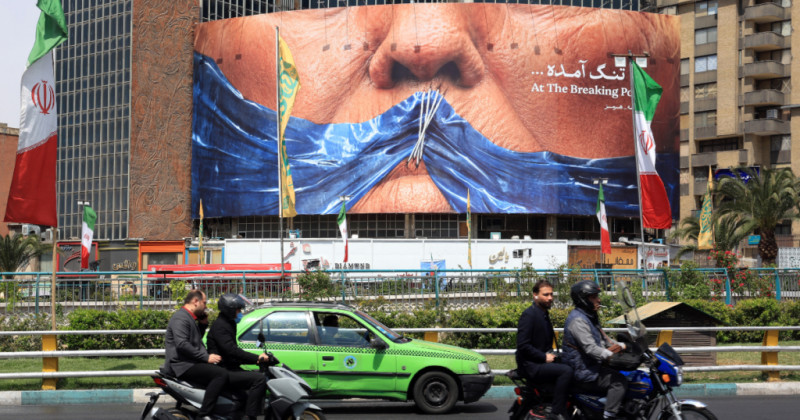
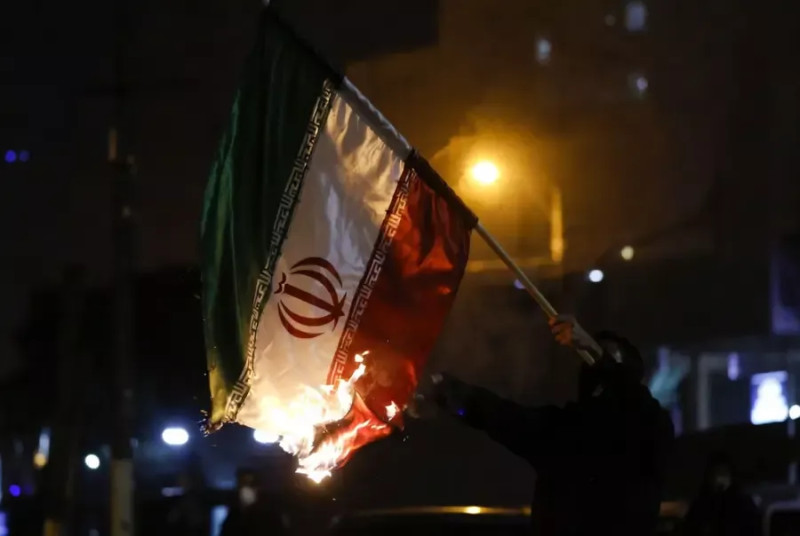
Iran, not one to back down from a challenge, has responded to the U.S. escalation with a mix of defiance and strategic maneuvering. The Islamic Revolutionary Guard Corps (IRGC) have vowed to continue their operations, despite the increased U.S. presence. Recent airstrikes have targeted IRGC facilities, causing significant damage and loss of life.
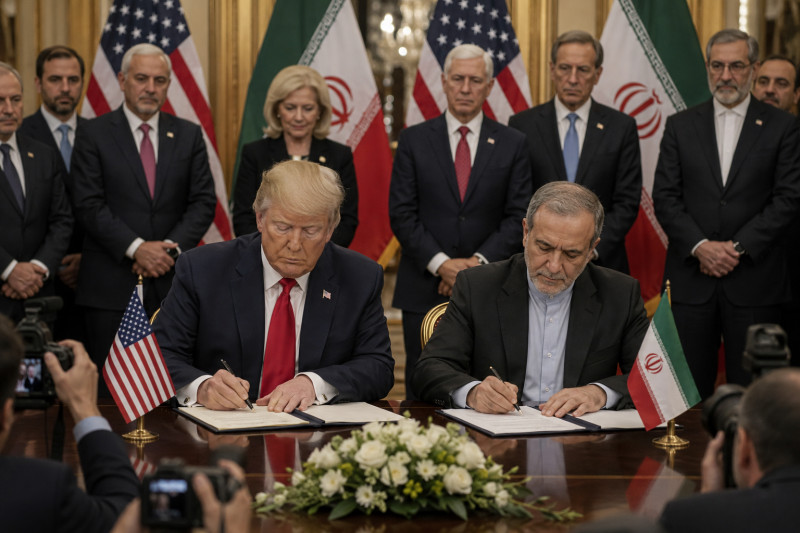
Despite the escalation, there is a glimmer of hope for diplomacy. The ceasefire that took effect in early April, following a series of B-2 bombers strikes, serves as a reminder that military action can sometimes pave the way for dialogue. The U.S. hopes that the increased pressure will push Iran to the negotiating table, leading to a more stable and peaceful region.
As the standoff continues, the world watches and waits. The deployment of the B-1 bomber is a clear signal that the U.S. is prepared to escalate its military campaign against Iran. The question remains: will this escalation lead to a resolution, or will it plunge the region into further conflict?
With the B-1 bomber back in action, the future of the U.S.-Iran conflict hangs in the balance. The next few weeks will be crucial, as both sides maneuver for advantage. The world will be watching, hoping for a peaceful resolution, but prepared for the worst. One thing is certain: the B-1 bomber will continue to play a pivotal role in this high-stakes game of power and strategy.
How does this story make you feel?
 Up next · WorldHouston Weather: Bertha's Impact and the Current Forecast