Record-Breaking El Niño: 2026’s Extreme Weather Alert
In the fluorescent glare of the briefing room, a map of the Pacific Ocean flickers of the screen, showing a worrying trend. Scientists are abuzz with the latest data: the 2026 El Niño is intensifying at an unprecedented rate, setting the stage for what could be the most severe weather event in recent history. As the hum of phones buzzing in pockets grows louder, the gravity of the situation becomes clear — this year's El Niño is trending toward a super El Niño, with the potential to reshape global weather patterns dramatically.
Understanding the 2026 Super El Niño Forecast
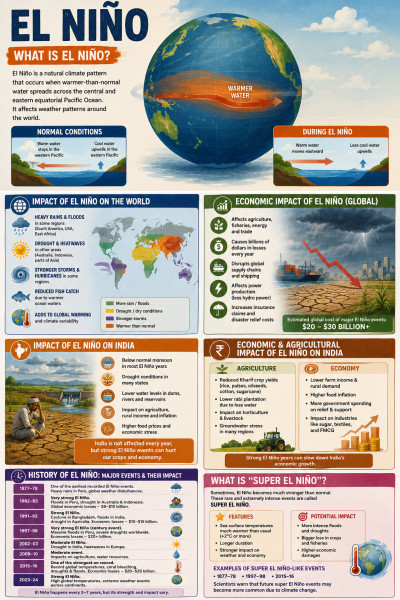
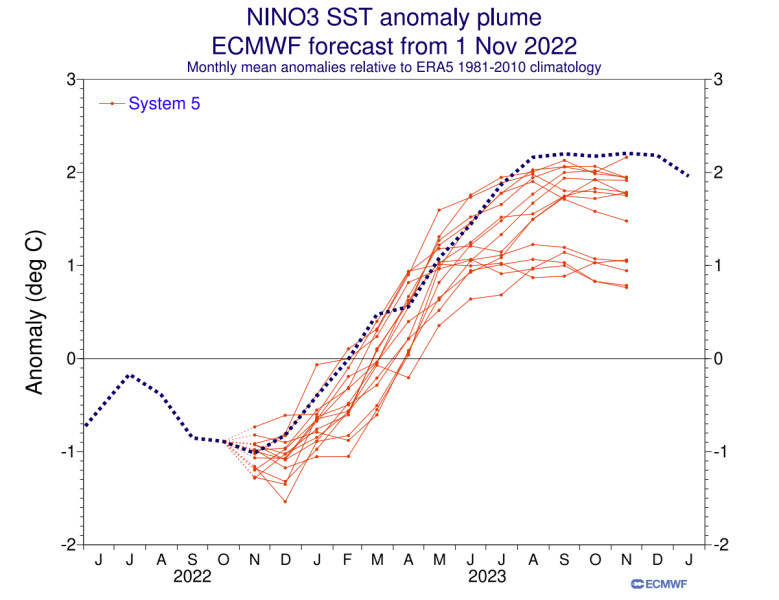
In the world of climate science, the term super El Niño is used when the average sea surface temperatures in the central and eastern equatorial Pacific rise by at least 2°C. This temperature spike is expected to have far-reaching consequences, potentially making 2026 the hottest year on record. The World Meteorological Organization (WMO) has confirmed that an El Niño event is likely to develop from mid-2026, which could significantly alter global temperature and rainfall patterns.
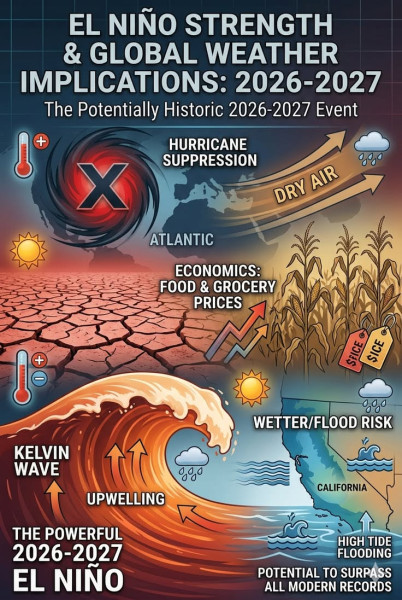
The latest ensemble model runs from the ECMWF, NOAA, and BOM align on a high-impact trajectory, with several forecasts suggesting the 2026 El Niño could surpass the record-breaking event of 1877-1878. This event is already intensifying faster than expected, with signs it could reach 'super' status by late 2026.
Looking at historical data, a strong El Niño event, such as the one predicted for 2026, drives extreme weather, heat records, and global climate shifts. The 20-25% chance of this super El Niño occurring means that the world needs to brace for significant changes.
The Impact on Global Weather Patterns
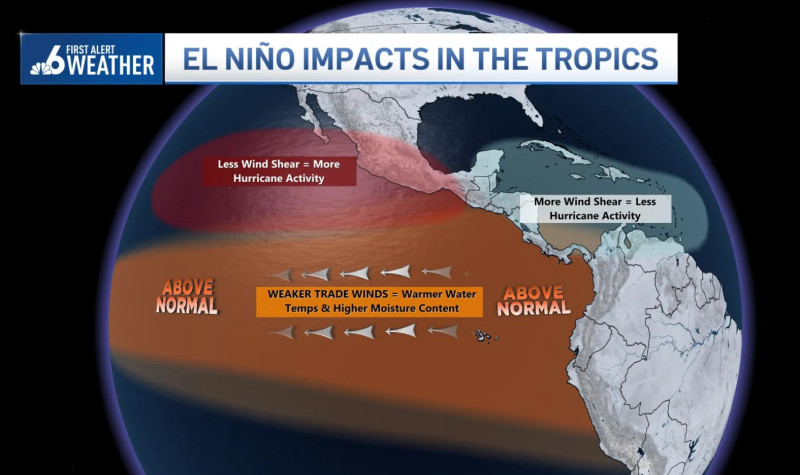
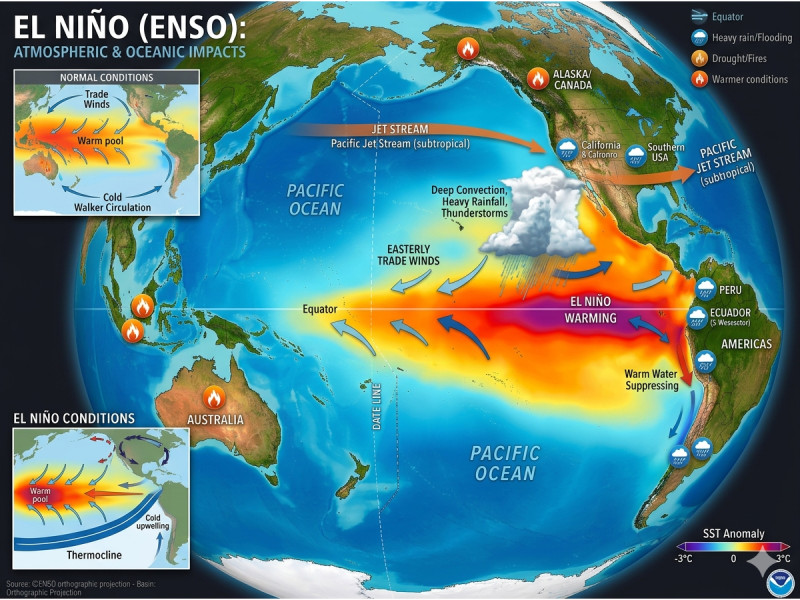
The developing El Niño is expected to shift global jet streams, which could have profound effects on weather patterns across the globe. This shift will likely bring about extreme weather conditions, from intense heatwaves to unusual rainfall patterns. For instance, the 2026 hurricane season could be significantly impacted, potentially altering the frequency and intensity of storms.
The predictions from the Geophysical Fluid Dynamics Laboratory (GFDL) show that the El Niño phenomenon is gaining strength, with the latest seasonal predictions indicating a strong and potentially record-breaking event. This intensification is expected to bring about a high-impact summer season, with significant changes to the global jet stream and regional temperature forecasts—particularly over North America and Europe.
The 2026 El Niño is officially underway, and the forecast for the summer of 2026 in the US and Canada already indicates a super El Niño threat. This could mean western heatwaves and a complex eastern pattern, adding to the overall unpredictability of the season.
El Niño 2026: Regional Weather Implications
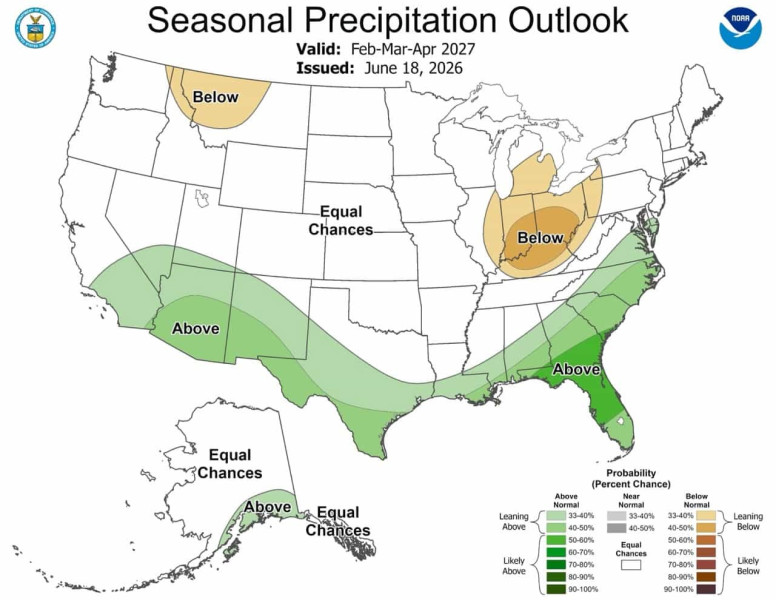
For regions like the United States, the El Niño is expected to be 85% likely by summer 2026. Each area will experience different impacts. For example, the western regions might face severe droughts, while the eastern regions could see increased rainfall. The analysis of past El Niño events provides a rough guide to what different regions might expect, but the unprecedented intensity of the 2026 event adds a layer of uncertainty.
The El Niño could also drive extreme weather, heat records, and global climate shifts. Understanding these causes, impacts, and forecasts is crucial for shaping weather worldwide.
The Atlantic hurricane season could see significant changes due to the El Niño conditions. Typically, El Niño events suppress Atlantic hurricane activity, but the severity of the 2026 event could complicate this pattern. Therefore, it is imperative to stay vigilant and prepared for any possible outcomes.
Finally, an expert from the Climate Prediction Center at NOAA underscored the significance of this year's El Niño:
"While we have seen strong El Niño events before, the rapid intensification and the potential for it to become a super El Niño make this event particularly concerning. We must prepare for the possibility of unprecedented weather extremes and their impact on communities around the world."
The unprecedented intensity of the 2026 El Niño demands vigilance and preparedness. With the event already showing signs of becoming a super El Niño, the world braces for what could be a seasonal weather challenge of unprecedented proportions. Stay tuned for the summer 2026 El Niño forecast and its potential to reshape weather patterns worldwide.
How does this story make you feel?
 Up next · WorldTallahassee Braces for Severe Weather with Tornado Warning in Effect