Senate Votes to Rein In Trump’s Iran War Powers, Defying White House

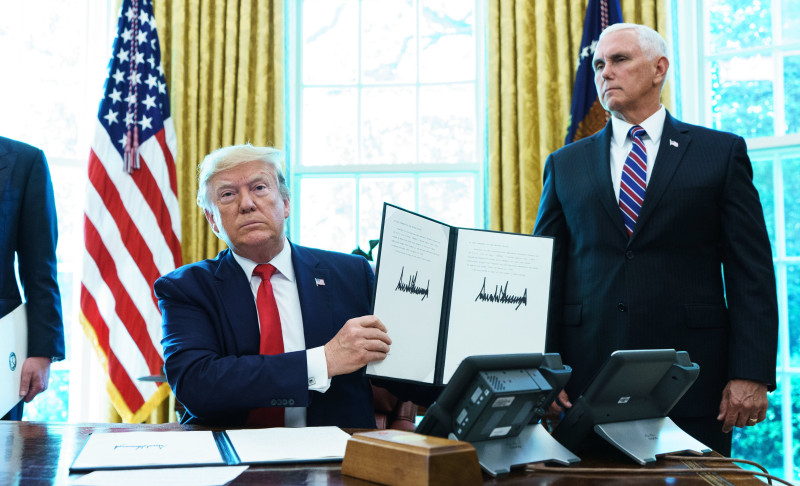
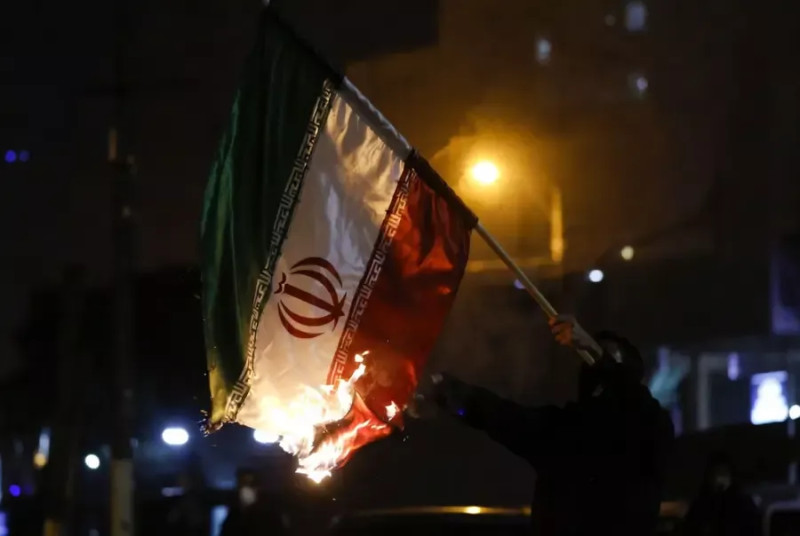
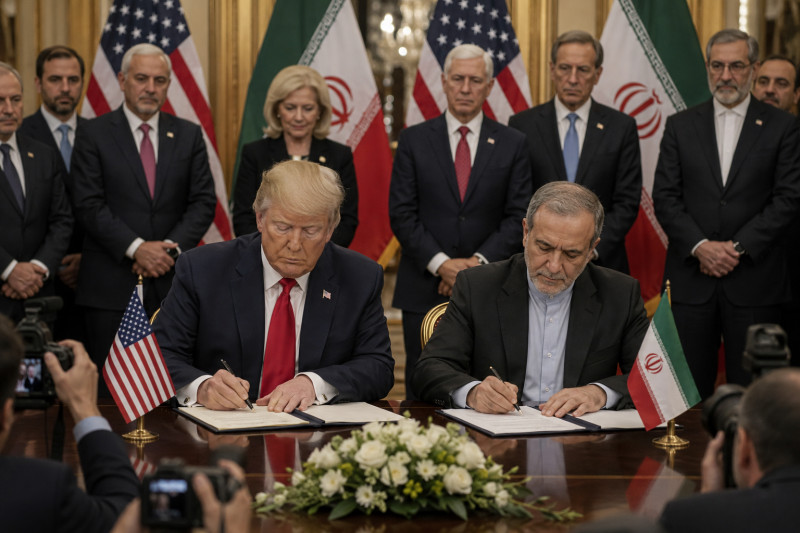
In the latest twist of the Iran conflict, the Senate voted to limit President Trump's war powers, marking a significant rebuke of the administration’s military strategy. This vote is a significant departure from typical partisan lines and underscores a growing bipartisan unease with the trajectory of the Iran war.
The Senate’s Historic Vote: A Symbolic but Resounding Rebuke
The Senate’s move to pass a war powers resolution marks a rare intervention by Congress in a president’s military authority. The resolution, passed in a 50-48 vote, directs the president to either halt military operations in Iran or seek congressional authorization before continuing further action. This is the first time such a resolution has been approved by the Senate, signaling a marked escalation in tensions and a significant rebuke to Trump. Four Senate Republicans joined Democrats to vote in favor, a clear indication of bipartisan frustration with the president’s approach to the war.
Historical Context: The War Powers Act and Its Implications
The war powers resolution is rooted in the War Powers Act of 1973, which was designed to ensure that the executive branch does not engage in prolonged military action without congressional approval. This act, passed in response to the Vietnam War, was intended to prevent future presidents from unilaterally committing the U.S. to protracted conflicts. The Senate’s vote to pass the resolution reaffirms Congress’s role in overseeing military engagements, a move that could have far-reaching implications for future conflicts.
“This vote sends a clear message that the Senate will not stand idly by while the executive branch unilaterally commits the nation to war. It reaffirms the balance of power between the legislative and executive branches and ensures that military actions are taken with the full support of Congress.” - Senator Elizabeth Warren.
Counter-Argument: The Administration’s Defense
While the Senate’s vote is a historic step, some argue that it may not have significant practical impact. Critics point out that the resolution is largely symbolic and that President Trump may choose to ignore it, given that the administration has already defied congressional oversight in the past. Furthermore, the resolution does not immediately halt military operations, leaving room for the president to continue his strategy with impunity.
Despite this counter-argument, the Senate’s move is not without precedent. Previous presidents, including George W. Bush and Barack Obama, have faced similar congressional challenges over the use of military force. This historical context underscores the importance of the Senate’s vote, as it represents a continuation of the checks and balances fundamental to the U.S. government.
The Senate’s vote to rein in President Trump's Iran war powers is a bold move that signals a growing bipartisan consensus in Congress over the need for more oversight in military engagements. While the resolution may be largely symbolic, it sets a vital precedent for future conflicts and reaffirms the role of Congress in overseeing the executive branch's military actions. This is a crucial step in maintaining the checks and balances that are the backbone of American democracy.
How does this story make you feel?
 Up next · PoliticsKaroline Leavitt and John Thune Clash Over Trump’s Patience