Extreme Heat Warnings: The Heat Dome Phenomenon

The heat dome enshrouding much of the central United States is a steaming cauldron of oppressive air, a relentless force that threatens to smother entire cities. As temperatures soar dangerously high, the National Weather Service has issued an extreme heat warning for western Nebraska, where weekend temperatures are expected to reach a scorching 108 F (42 C).
Understanding the Heat Dome and Its Impact
The heat dome is a weather phenomenon that occurs when high pressure in the atmosphere traps warm air underneath, creating a dome-like structure that prevents the hot air from rising and dispersing. This atmospheric condition can trap heat for extended periods, leading to sustained high temperatures and accumulating discomfort.
The heat dome is particularly dangerous because it doesn’t just affect daytime temperatures; it also keeps overnight lows elevated, offering no respite from the relentless heat. This continuous exposure to high temperatures can lead to severe health risks, including heat exhaustion and heat stroke, especially for vulnerable populations such as the elderly, young children, and those with pre-existing health conditions.
A significant concern with heat domes is the lack of overnight relief. Overnight low temperatures are not expected to drop enough for people to recover, allowing heat stress to build as the bad weather lingers. This prolonged exposure can exacerbate existing health issues and increase the risk of heat-related illnesses, making it essential for residents to take precautions and stay informed about the latest weather advisories and warnings.
Extreme Heat Warnings Across the Central United States
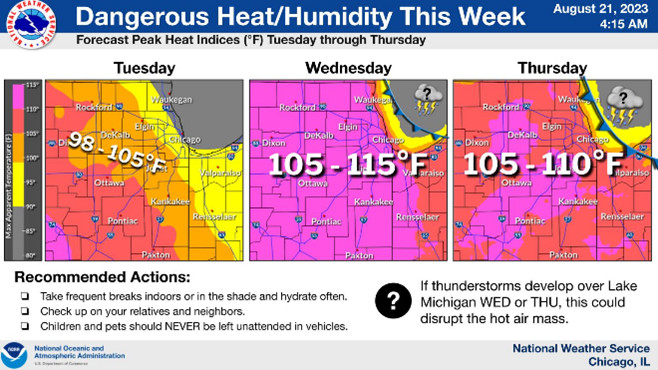
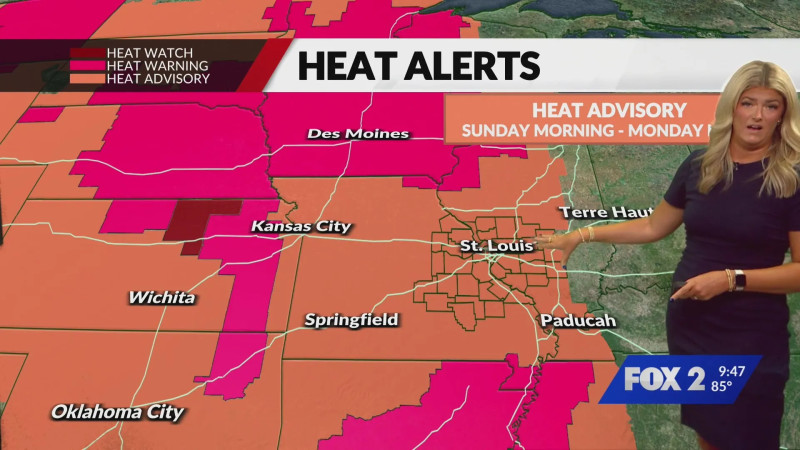
The extreme heat warning is not isolated to western Nebraska. The National Weather Service has extended the warnings across a wide swath of the central United States, affecting millions of people. The heat dome is expected to create dangerous conditions in multiple states, including parts of the Midwest, South, and East Coast, where temperatures are forecast to reach record-breaking levels.
Places like Denver are bracing for potential record-breaking heat, while cities across the central plains are preparing for the worst. The heat dome’s expansive reach means that residents in these areas must be vigilant about staying hydrated, avoiding strenuous outdoor activities, and checking on vulnerable neighbors.
In addition to the scorching temperatures, the heat dome is also exacerbating other weather conditions. For example, lingering toxic smoke from wildfires is adding another layer of danger to the mix, making it essential for residents to stay indoors as much as possible and to use air filters if available.
Mitigating the Risks of Extreme Heat
The extreme heat dome prompts reflection on our evolving climate and the increasing frequency of such weather events. As climate change continues to exacerbate weather patterns, extreme heat waves are becoming more common and more severe. This poses significant challenges for public health, infrastructure, and ecosystems.
In response to the extreme heat, the National Weather Service has issued alerts and advisories, providing guidance for decision-makers and those sensitive to heat. The NWS HeatRisk tool is a supplementary resource that offers additional insights and recommendations for managing the risks associated with prolonged high temperatures.
As we navigate through this week, the image of a relentless heat dome baking much of the country, much like the Great Dust Bowl of the 1930s, serves as a stark reminder of our changing climate. These extreme heat warnings are not just alarms but calls to action, urging us to take immediate steps to protect ourselves and our communities. The question remains: Will we heed these warnings, or will we continue to be engulfed in the heat dome's fiery grip?
How does this story make you feel?
 Up next · ScienceHurricane Genevieve 2026: A Major Storm With Eerie Similiarities to 2026