Sunshine Protection Act: A Permanent Shift in Time?
August 5, 2026 - The debate over daylight saving time (DST) has long been a contentious issue, with proponents and opponents each having strong arguments. However, the latest push to make DST permanent through the Sunshine Protection Act has reignited the conversation, with the House of Representatives voting to end the biannual clock changes. Yet, the Senate remains a hurdle, and the fate of the bill hangs in the balance as the nation waits to see if daylight saving time permanent legislation will finally pass.
Understanding the Sunshine Protection Act
The Sunshine Protection Act, introduced during several sessions of Congress, aims to make DST permanent by repealing the temporary period for daylight saving time, effectively locking the clock in place. The bill has garnered bipartisan support, with many lawmakers arguing that eliminating the twice-annual clock changes would improve public safety, promote healthier lifestyles, and give families more daylight to enjoy after work and school. The bill, approved by the House, now awaits Senate approval, where its future remains uncertain.
The Case for and Against Permanent Daylight Saving Time
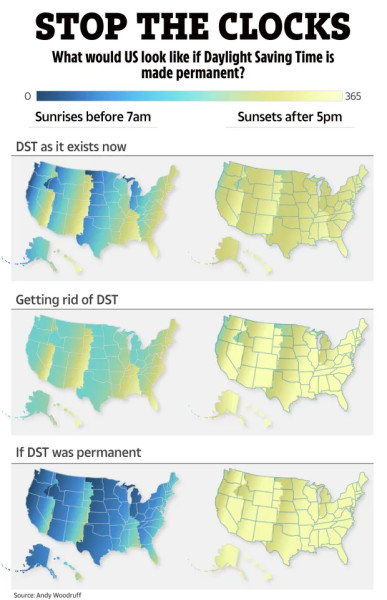
Proponents of the Sunshine Protection Act argue that permanent daylight saving time would benefit public health and safety. Studies have shown that the abrupt changes in time can disrupt sleep patterns, leading to increased risks of accidents and health issues. Advocates also point to the economic benefits, suggesting that extended daylight hours could boost retail sales and encourage outdoor activities. Additionally, the environmental impact of reducing energy consumption during the extended daylight period should not be overlooked. However, critics argue that permanent DST would have significant drawbacks, particularly in the winter months, where sunrise times would be significantly delayed. This could lead to increased morning accidents, as children and workers would be commuting in the dark. Furthermore, opponents contend that the benefits of permanent DST do not outweigh the potential drawbacks, and that states should have the autonomy to choose their own time zones.
States' Role in DST's Future
Despite the federal push for daylight saving time permanent legislation, states retain significant autonomy in how they implement time changes. The House-passed bill would allow states to opt-in to year-round daylight saving time, meaning they could choose to stay on standard time if they so desired. However, the Senate's stance on this matter remains unclear, and the bill faces an uncertain future. For example, the original bill proposed by Congressman Buchanan emphasizes the need for bipartisan support, stating that "policymakers must listen to the people and act accordingly," a sentiment echoed by many lawmakers.
Let's not kid ourselves: daylight saving time permanent legislation is a complex issue with valid arguments on both sides. But here's what nobody's asking: If we truly prioritize public health and safety, shouldn't we be considering a more balanced approach that takes into account the diverse needs of different regions and populations? Perhaps it's time to explore alternatives, such as a gradual shift to permanent daylight saving time with phased implementation, allowing states to adjust at their own pace. Such an approach could mitigate the potential drawbacks while still reaping the benefits of extended daylight hours.
The debate over the Sunshine Protection Act is far from over. As the Senate continues to weigh the implications of making daylight saving time permanent, the fate of this legislation hangs in the balance. But one thing is clear: the conversation around time changes is evolving, and the push for a more permanent solution is gaining traction. As the nation awaits the Senate's decision, the future of daylight saving time remains a hot topic, one that will undoubtedly shape the way we measure our days for years to come. The outcome of the Senate vote will either mark a significant shift in our timekeeping practices or continue the decades-long debate on the merits of daylight saving time.
For the latest updates on the Senate's proceedings and the future of daylight saving time permanent legislation, stay tuned to The Hill for comprehensive coverage and expert analysis. The debate is far from over, and the next chapter in the story of daylight saving time is yet to be written.
How does this story make you feel?
 Up next · PoliticsMichigan Senate Primary: Shifts and Surprises in the 2026 Primary Election