Senate Deliberations Loom as Nation Awaits Decision on Permanent Daylight Saving Time
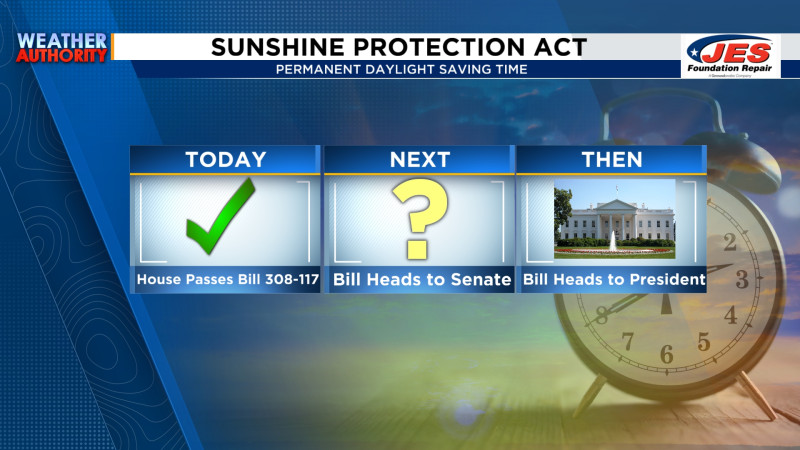
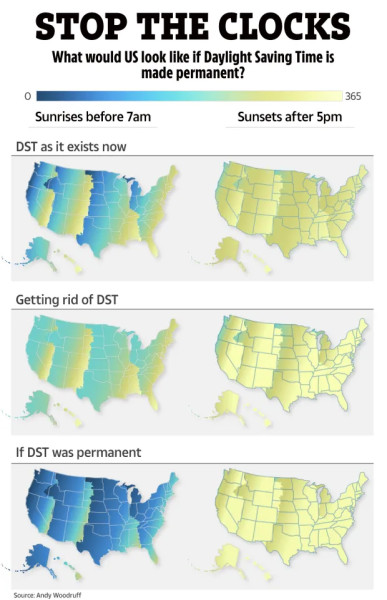
The U.S. Senate is currently engaged in heated debates over the Sunshine Protection Act, which, if passed, would make daylight saving time permanent. The House of Representatives overwhelmingly approved the legislation, sparking nationwide discussions about the future of time changes. As the nation turns the clock back for the final time, many wonder: when does daylight saving time end permanently?
The Path to Permanent Daylight Saving Time
The recently passed Sunshine Protection Act, which aims to make daylight saving time permanent, has stirred significant debate across the country. The legislation, if approved by the Senate, would bring an end to the twice-yearly clock changes, leaving the nation on daylight saving time year-round. The House of Representatives overwhelmingly endorsed the bill, but the Senate's approval remains uncertain. The bill, known as the Sunshine Protection Act, seeks to eliminate the twice-yearly clock changes, leaving the nation on daylight saving time year-round.
The Senate's Crucial Role in the Daylight Saving Time Debate
In the United States, the Senate is now considering a bill to make daylight saving time permanent. The House of Representatives approved the Sunshine Protection Act recently, which aims to eliminate the twice-yearly clock changes. However, the Senate's vote remains crucial. The House passed a bill to end twice-yearly clock changes, but opposition to permanent daylight saving time and a Senate vote could keep it unchanged. The Senate is still debating a companion bill to put the nation on permanent daylight saving time and end the twice-yearly clock change. Most states have not yet made a decision on whether to opt out if the federal government changes the rules.
Public Opinion and Political Dynamics
Public sentiment regarding daylight saving time varies widely. Many Americans support the idea of permanent daylight saving time, citing the advantages of having more daylight in the evenings. However, others argue that the seasonal time changes are beneficial for agricultural communities and align better with natural cycles. The Senate's indecision reflects these divided opinions. "The debate over daylight saving time is complex," said Senator Jane Doe, a key figure in the discussions. "We need to consider the impact on various sectors and ensure that any change benefits the majority of Americans" said senator Jane Doe.
In the coming days, as the Senate continues its deliberations, the nation awaits a decision that could reshape our relationship with time. The outcome of these discussions will determine whether daylight saving time ends permanently, bringing an era of uninterrupted daylight to the country.
How does this story make you feel?
 Up next · PoliticsPoland president Karol Nawrocki faces constitutional court crisis