End of the Twice-Yearly Ritual: Daylight Saving Time Faces Potential Overhaul

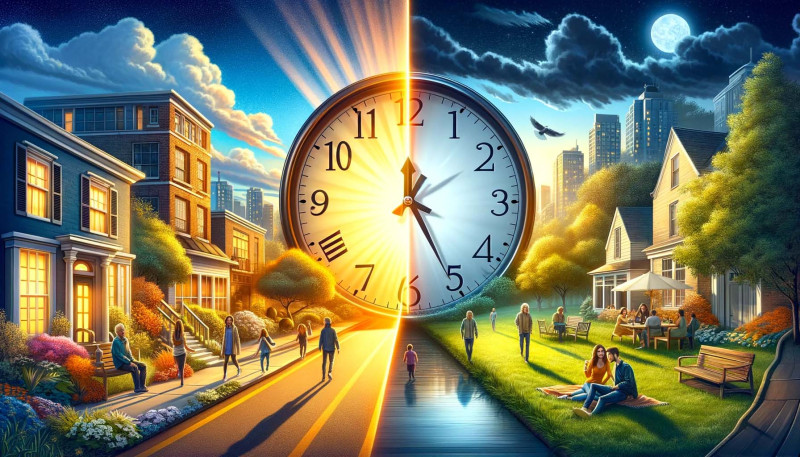
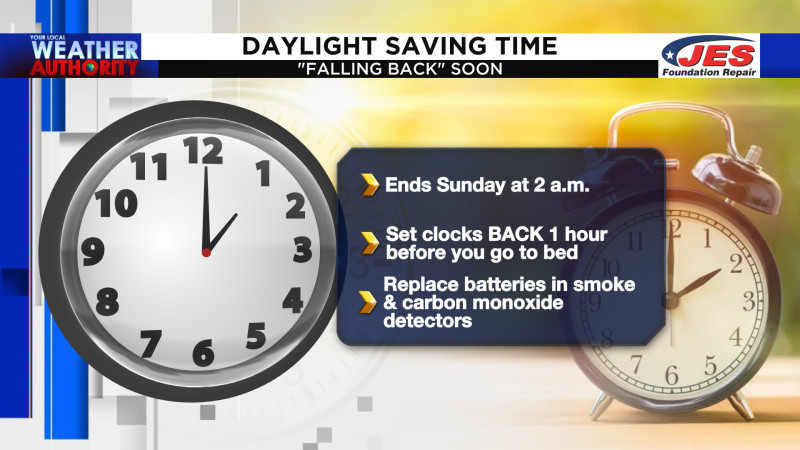
In a world where time is money, the ritual of falling back and springing forward has always seemed an oddity. Yet, the twice-yearly clock dance of daylight saving time (DST) might be on its way out. Recently, the House of Representatives voted to make DST permanent, a move that has sparked a national debate on whether to end the clock changes for good.
The House's Bold Move: Making DST Permanent
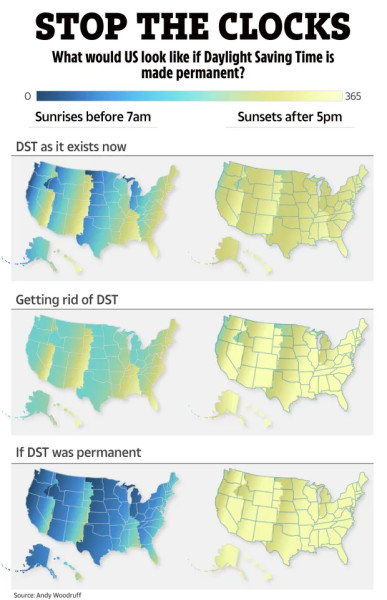
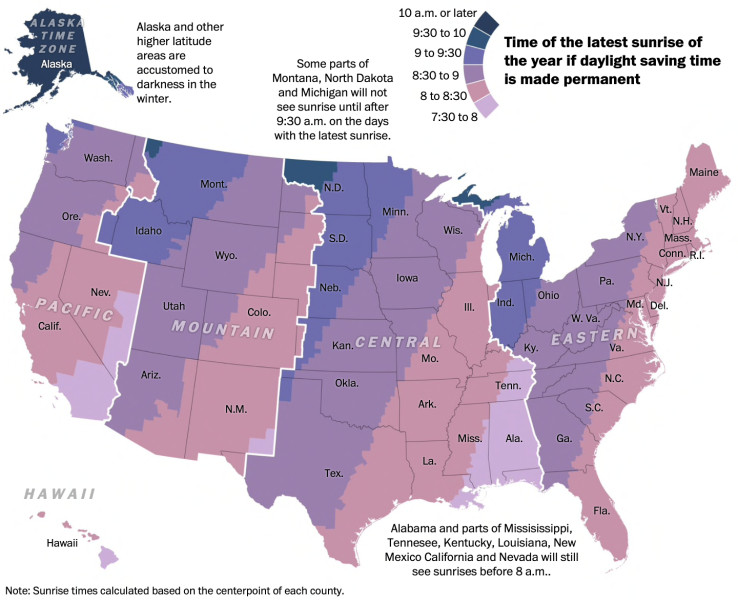
In a decisive vote, the House of Representatives passed a bipartisan bill to make daylight saving time permanent nationwide. This move, supported by President Trump, aims to eliminate the twice-yearly clock changes that have long been a source of confusion and inconvenience for many Americans. The bill, titled the Sunshine Protection Act, seeks to "lock the clock" and keep daylight saving time in effect year-round.
The House's vote has sparked a contentious debate, pitting those who favor the convenience of permanent daylight saving time against those who prefer the stability of standard time. The bill now faces a crucial hurdle as it moves to the Senate, where lawmakers must decide whether to support the House's proposal or opt for permanent standard time.
Trump's Push for Permanent Daylight Saving Time
President Trump has been a vocal proponent of making daylight saving time permanent. Recently, he renewed his support for the Sunshine Protection Act, which would ensure that clocks remain on daylight saving time year-round. This push comes amidst a broader push to streamline the nation's timekeeping practices and potentially eliminate the twice-yearly clock changes.
"The House vote and Trump’s support signal a significant shift in the debate around daylight saving time," said Senator Rick Scott, a sponsor of the bill, "It's clear that the public is ready for a change, and we have an opportunity to make that happen."
What Happens Next? The Senate's Critical Role
The fate of the Sunshine Protection Act now rests with the Senate. Lawmakers must decide whether to support permanent daylight saving time, permanent standard time, or maintain the current system of bi-annual clock changes. The Senate's decision will have far-reaching implications for how Americans experience and manage their time, impacting everything from work schedules to daily routines."
The Senate faces a daunting task: to weigh the pros and cons of each option and make a decision that reflects the will of the people. This decision will not only affect the current generation but also shape the way future generations experience time for years to come. The debate is fierce, and the outcome uncertain, but one thing is clear: the twice-yearly ritual of falling back and springing forward is on the brink of a major overhaul.
The end of the clock changes would mean more than just a simple adjustment to our daily routines; it would signify a shift in our collective experience of time. It remains to be seen how the Senate will navigate this complex issue, but one thing is clear: the clock is ticking, and the future of daylight saving time hangs in the balance.
How does this story make you feel?
 Up next · PoliticsSamira Said's Shocking Revelations: A CBS and ABC News Exclusive