Trump's Immigration Maneuvers: Birthright Citizenship Under Siege
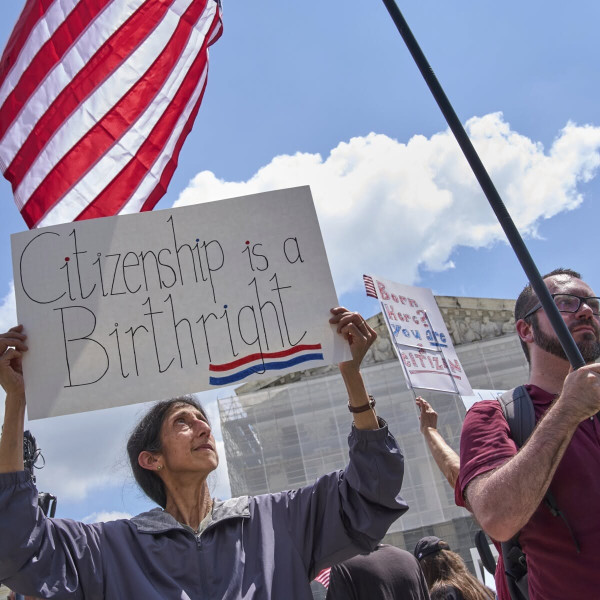
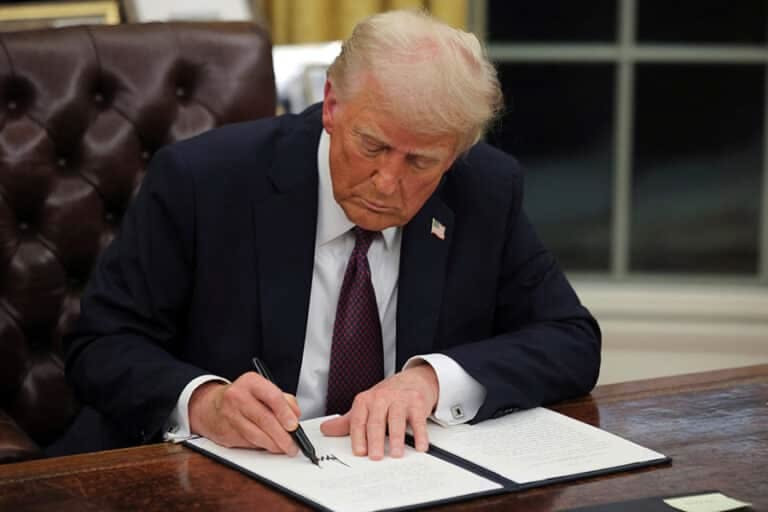
In a political landscape that often feels like a chessboard, the latest move by U.S. President Donald Trump has stirred the waters. The two executive orders recently signed by the President are aimed at curbing birthright citizenship, a concept deeply embedded in the nation's constitutional fabric, and to curb "birth tourism".
Birthright Citizenship: A Constitutional Quagmire
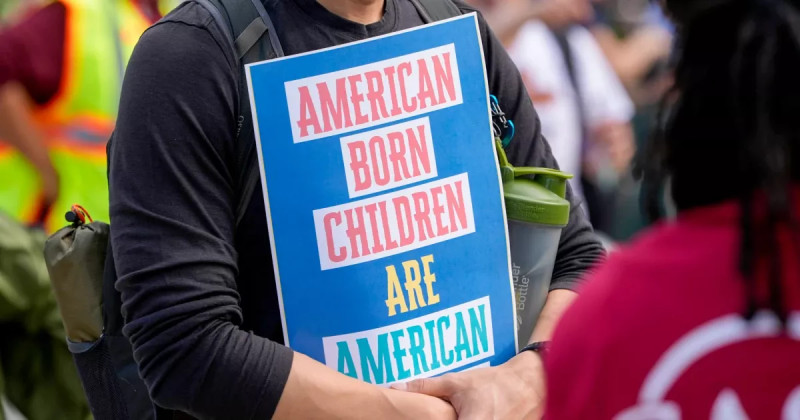
Birthright citizenship, the automatic granting of U.S. citizenship to individuals born on American soil, regardless of their parents' nationality, is a contentious issue. This principle, enshrined in the 14th Amendment, has long been a cornerstone of American identity.
Trump’s new executive orders, which come on the heels of a Supreme Court ruling upholding birthright citizenship, are seen as a direct challenge to this constitutional provision. These orders are designed to restrict birthright citizenship to those whose parents are not engaged in fraudulent activity to obtain citizenship.
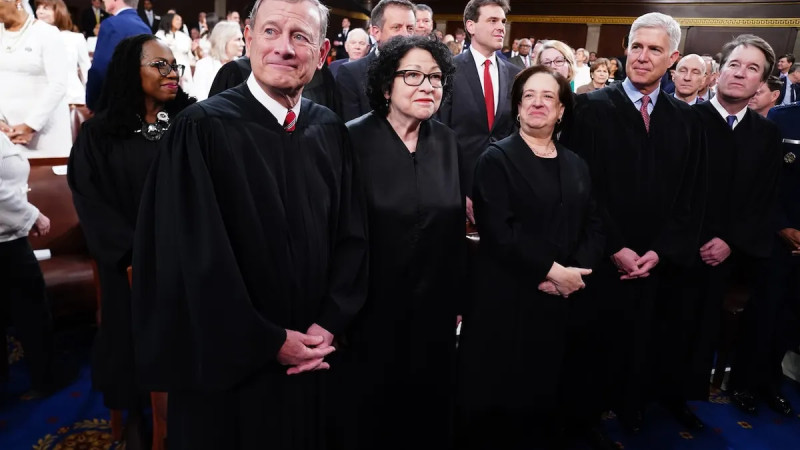
The recent Supreme Court decision, which struck down Trump's earlier efforts to end birthright citizenship, didn’t deter him. The President said he thought his latest actions would be constitutional.
Curbing birthright citizenship has been a longstanding goal of Trump's administration, and this move is seen as an attempt to sidestep the Supreme Court’s decision.
Birth Tourism: The New Frontier
The second executive order targets "birth tourism," a practice where pregnant women travel to the U.S. to give birth, thereby granting their children automatic American citizenship.
This practice, often associated with wealthy individuals from countries like China, has attracted scrutiny and criticism, with many arguing that it exploits the American immigration system. Trump's order seeks to curb this by increasing restrictions on visitors to the U.S. who want to obtain visas to give birth while in the country.
The order aims to tighten visa requirements and enforce stricter background checks on applicants, effectively making it harder for those suspected of engaging in birth tourism to enter the country.
"These orders are a bold move, a clear signal from the administration that they are not backing down from their stance on immigration, despite the Supreme Court's ruling." — expert opinion
Legal and Political Implications: Navigating Uncharted Territory
Legal experts are divided over the constitutionality of these orders. Some argue that the Supreme Court’s decision to uphold birthright citizenship should have been a deterrent, while others see this as a strategic maneuver.
The political ramifications are equally significant. This move is likely to galvanize Trump’s base, who have long advocated for stricter immigration policies, but it may also inflame tensions with those who see birthright citizenship as a fundamental American right.
As the nation grapples with these new developments, the future of birthright citizenship and birth tourism remains uncertain. The legal challenges and political debates are far from over, and the next few weeks could see a flurry of activity as stakeholders from all sides weigh in.
The latest executive orders by President Trump on birthright citizenship and birth tourism underscore the complexity and political sensitivity of immigration policies in the U.S. These orders, which come hot on the heels of a Supreme Court ruling, are a bold move that could reshape the future of immigration in America. As the legal and political battles continue, one thing is clear: this is a story that will keep unfolding, with far-reaching implications for the nation’s immigration landscape.
How does this story make you feel?
 Up next · PoliticsTennessee Election Results: A Night of Surprises and Turns