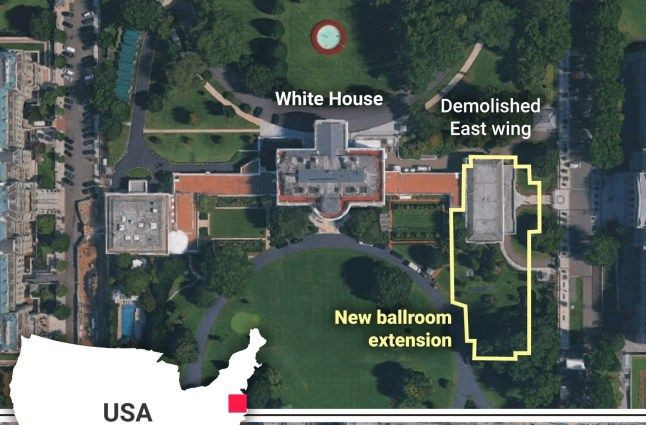
The Trump White House Ballroom: A Legal Challenge Unprecedented
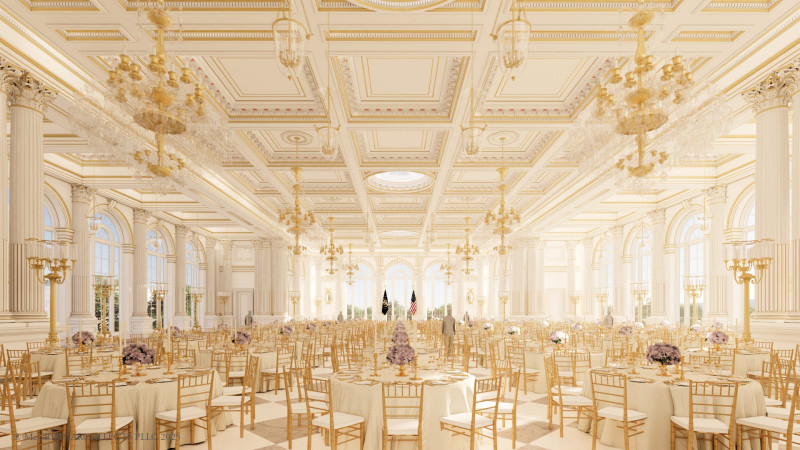
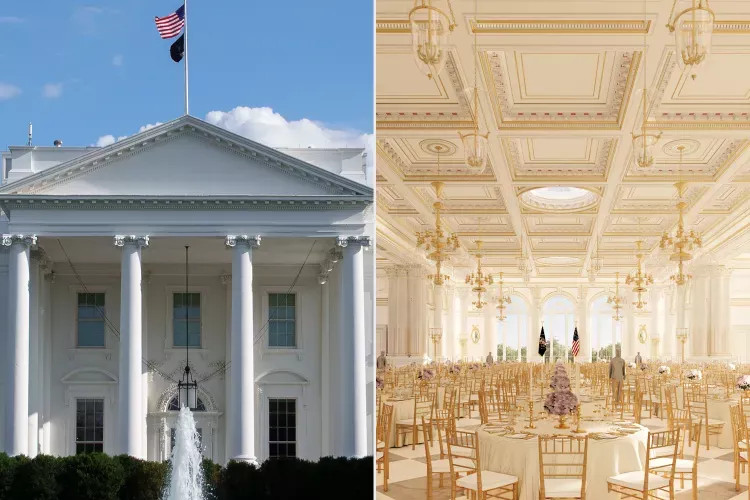
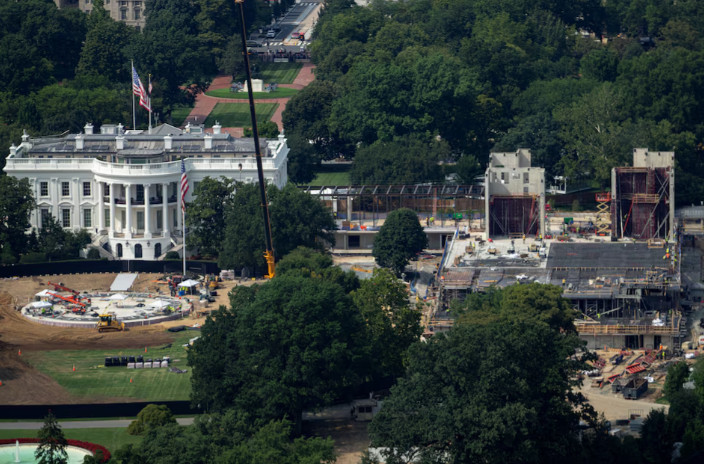
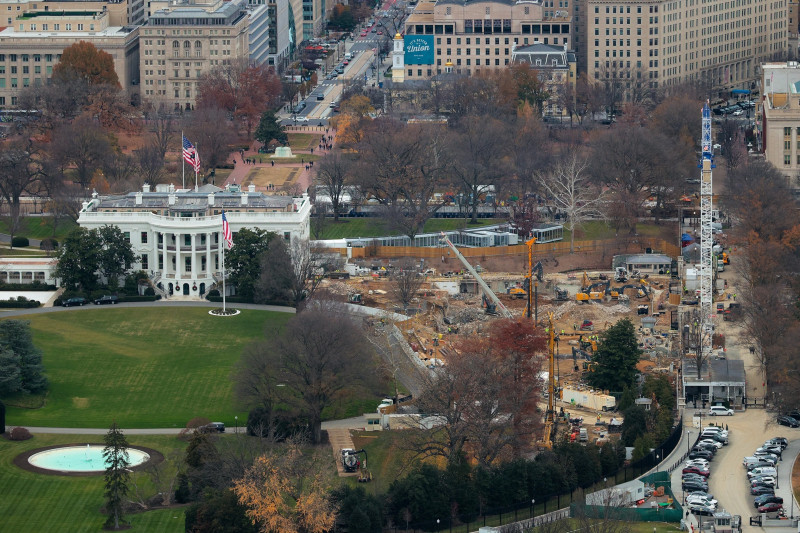
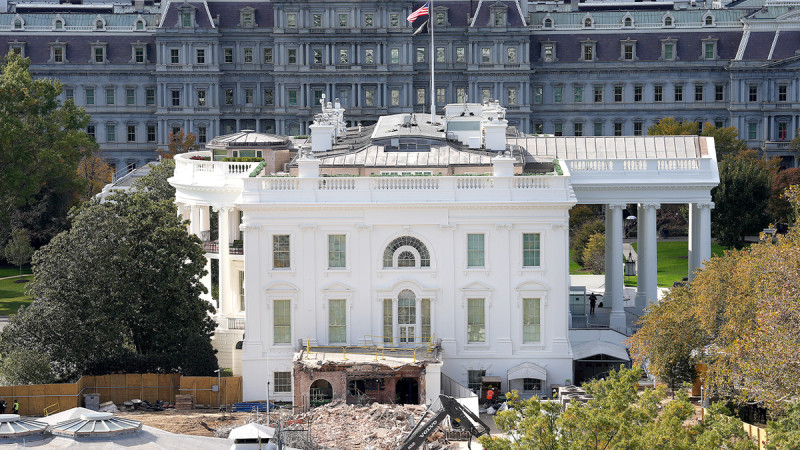
The Trump administration's ambitious plan to construct a White House ballroom has hit a significant roadblock. A federal appeals court has ruled that the project, valued at $400 million, is unlawfully proceeding without congressional approval. This decision, delivered recently, marks a pivotal moment in the ongoing legal battle over the project, which has been mired in controversy since its inception.
The Court's Decision: A Setback for the Trump Administration
The court's ruling, handed down in a close 2-1 decision, has significant implications for the Trump White House construction injunction case. The judges ordered the administration to halt construction, except for those parts deemed necessary for safety and security. Despite this, the ruling has been met with criticism from the Trump administration, which claims that it is unjust and prevents the president from fulfilling his vision for the White House.
The Legal Context: A Complex Web of Congressional Oversight
The legal challenge surrounding the Trump ballroom construction hinges on the broader issue of congressional oversight. The appeals court's decision emphasizes that any significant alteration to the White House, especially one of such magnitude, requires legislative approval. This ruling sets a precedent for future presidential initiatives, reminding all parties of the separation of powers.
It would be remiss to overlook a counter-argument presented by some legal scholars. They argue that the court's decision could be seen as a limitation on the executive branch's authority to manage and oversee the White House complex. The administration's stance is that the president has the right to make executive decisions concerning the presidential residence, especially when it comes to national security and public safety.
While the legal debate continues, the court's decision stands, and the future of the ballroom remains uncertain. The ruling has provided a clear directive, but the path forward is anything but straightforward. As the administration considers its next steps, it will likely face continued scrutiny and legal challenges from both Congress and the public.
The Future of the Ballroom: What Lies Ahead?
Despite the Trump administration ballroom judicial ruling, the future of the White House ballroom is far from settled. The administration has 14 days to respond to the court's decision, a period during which it could potentially seek a stay or appeal to a higher court, including the Supreme Court. The Trump administration may also explore alternative legal avenues to proceed with the construction, given the high priority it places on the project's completion.
The ballroom, envisioned as a grand venue for state functions and official events, has become a symbol of the ongoing feud between the executive and legislative branches. As the legal battle unfolds, the public and political pundits alike are waiting to see how this high-stakes showdown will play out. For now, the project remains stalled, and the future of this ambitious undertaking hangs in the balance.
As the legal wrangling continues, one thing is clear: the White House ballroom construction will remain a focal point of political debate for some time to come. Stay tuned for further updates as the drama unfolds.
How does this story make you feel?
 Up next · PoliticsA Legal Quagmire: Appeals Court and the White House Ballroom Debacle