Supreme Court Upholds Contention Over White House Ballroom Expansion
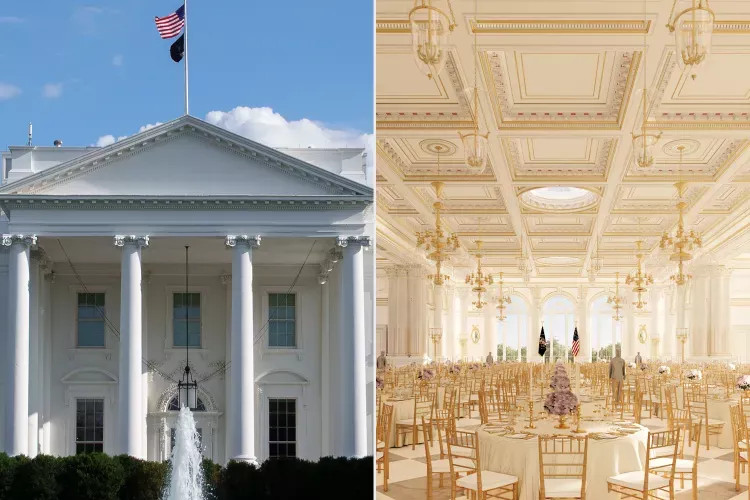
The fluorescent glare of the briefing room lights casts a stark spotlight on the scene, where reporters are hunched over their notepads. The hum of phones buzzing in pockets is a constant reminder of the high stakes involved. The Supreme Court has just made a ruling that could dramatically alter the future of the White House, and it’s not about a policy or a new law. It’s about a ballroom — a 90,000-square-foot ballroom to be precise, in the heart of the White House. The court's decision, allowing the construction of a grand new ballroom, has sent shockwaves through Washington.
White House Ballroom Project: A Symbol of Controversy
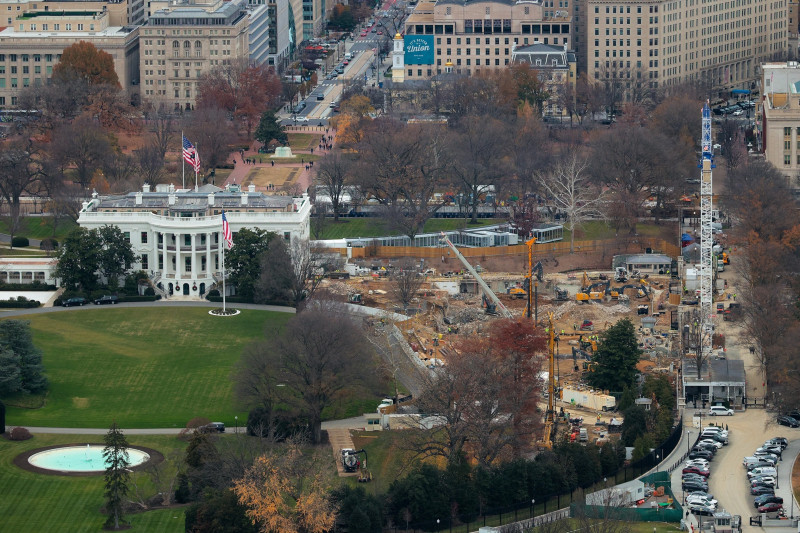
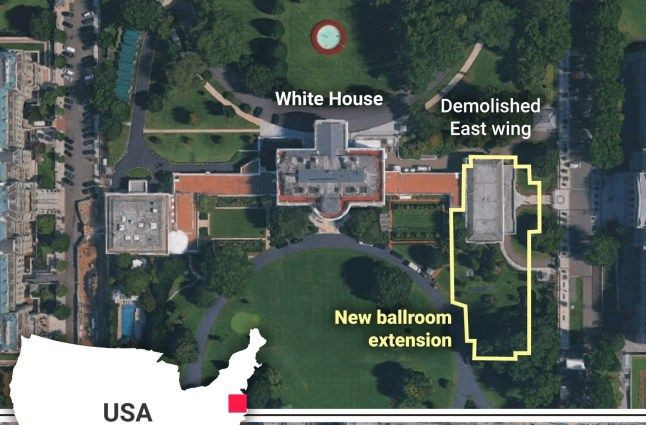
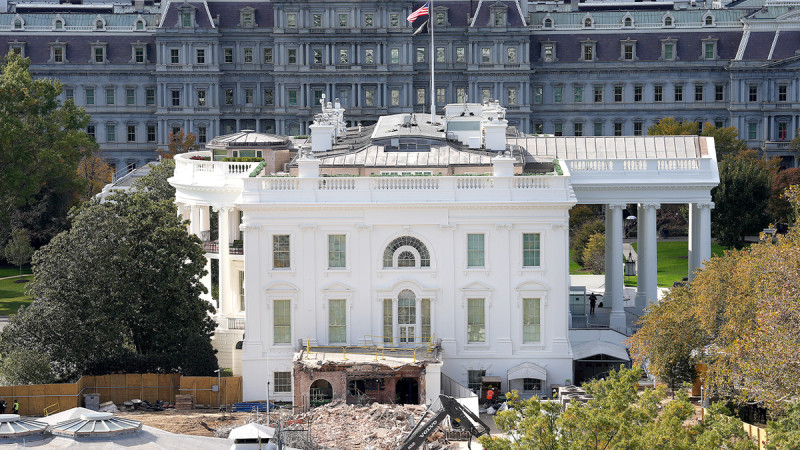
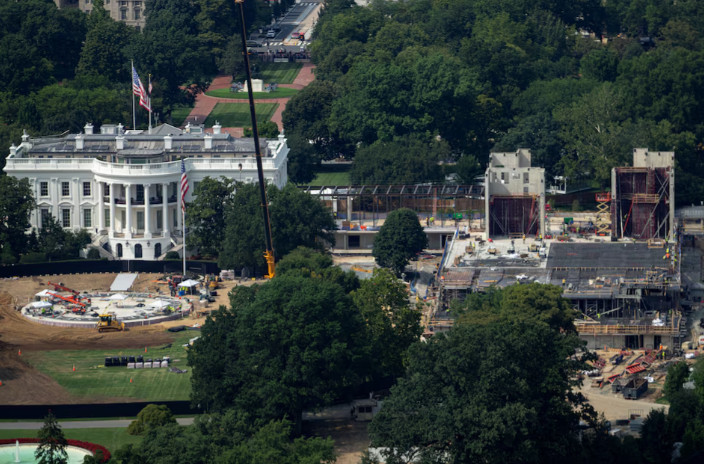
The White House ballroom project has been a contentious issue since its announcement over the summer. President Donald Trump’s ambitious plans to demolish the East Wing have been met with widespread criticism and legal challenges. The project, which aims to replace the original East Wing with a state-of-the-art facility, has been lauded by some for its grandiosity and condemned by others for its extravagance, especially in light of the pressing needs of the country. The ballroom, which is part of a broader East Wing reconstruction, has been entwined with the renovation of an underground military bunker, adding a layer of complexity to the controversy.
Legal Battles and Supreme Court Interventions
In a move that has sparked intense debate, the Supreme Court has temporarily allowed the construction to continue, effectively freezing a lower court decision that would have halted the project. The court’s decision comes after a series of legal battles, with the Trump administration arguing that the ballroom is integral to ongoing security renovations. The project, initially announced in July 2025, has been under construction since September 2025, with the East Wing being torn down in October 2025.
The Trump administration has been steadfast in its pursuit of the ballroom project — asking the Supreme Court to overrule lower courts and allow the construction to proceed. Despite the legal challenges, the project has continued to rise from the ground, a testament to the administration's determination to see it through. The latest development, which comes after a federal judge ordered a halt to construction unless Congress approves the project, has further complicated the situation, as the White House seeks final approval from a key commission.
The Grand Ambitions and Hidden Benefits
Despite the controversy, the ballroom has its supporters, who point to its potential to address long-standing issues within the White House. The new ballroom could solve a decades-long problem identified by first families and their social secretaries, who have long grappled with the challenges of hosting large events in the existing space. The project, which promises to be a grand addition to the White House, could offer a solution to the logistical and security issues that have plagued previous administrations. The 90,000-square-foot space, designed to accommodate 999 people, would indeed be a significant upgrade, offering more room for state dinners, press conferences, and other important events.
The controversy surrounding the ballroom project has also highlighted broader issues within the White House, including the need for modern infrastructure and the balance between national security and public perception. As the legal battles continue, the White House ballroom project remains a symbol of the administration's ambitious plans and the challenges it faces in realizing them. The final outcome of this legal saga remains uncertain, but one thing is clear: the Supreme Court's intervention has ensured that the ballroom debate will continue to dominate the headlines.
The White House ballroom project, with its grandeur and controversy, remains a focal point of political and legal debates. The Supreme Court's recent decision to allow construction to continue has only heightened the tension, leaving many to wonder what the future holds for this ambitious and contentious endeavor. The construction of the White House ballroom is a microcosm of the broader political landscape, reflecting the complexities and controversies that define the current administration's approach to governance.
How does this story make you feel?
 Up next · PoliticsUS Attorney John Sarcone's Appointment Ruled Unlawful: A Twist in the Legal Saga