A Legal Crossroads for the White House Ballroom Construction
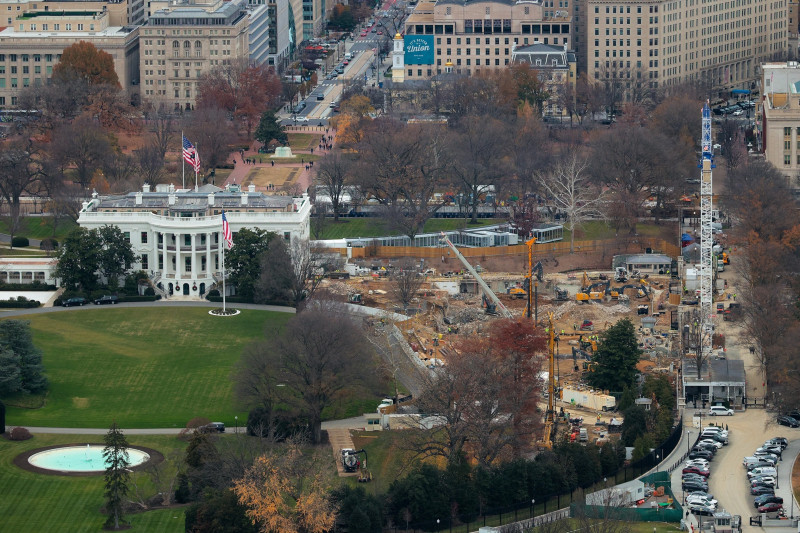
The night is warm in the nation's capital, and the hum of activity on Pennsylvania Avenue is unusually muted. The White House, a beacon of American power, stands as a silent witness to a storm brewing in the halls of justice. — Construction of a White House ballroom, a grand project envisioned by President Donald Trump, has been abruptly halted by a federal appeals court. This legal challenge has thrust the project into a whirlwind of controversy and uncertainty, leaving many to wonder about the future of this ambitious endeavor.
The Legal Battle: A White House Ballroom Under Siege
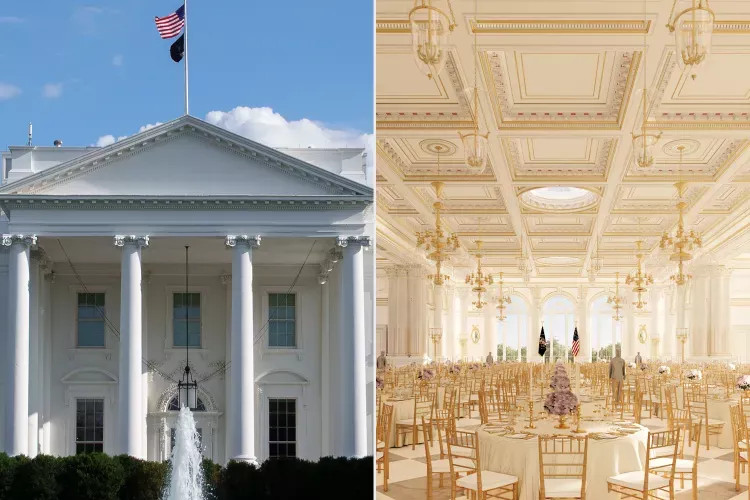
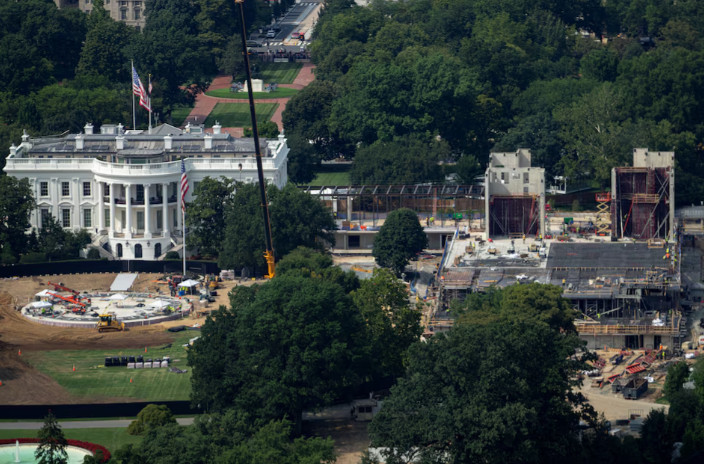
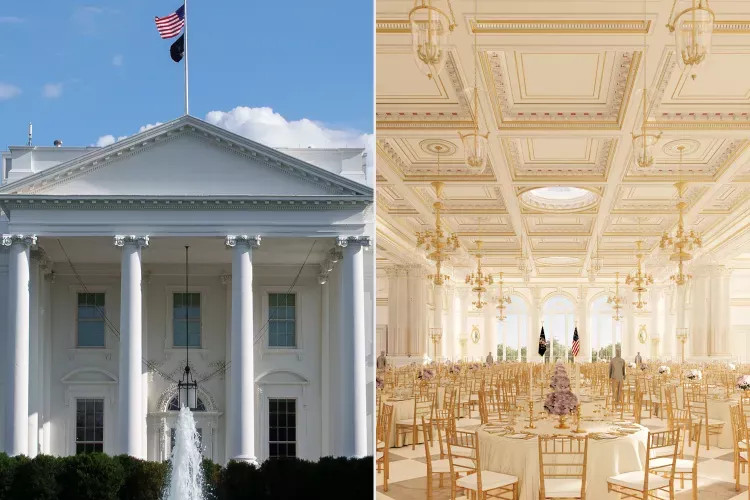
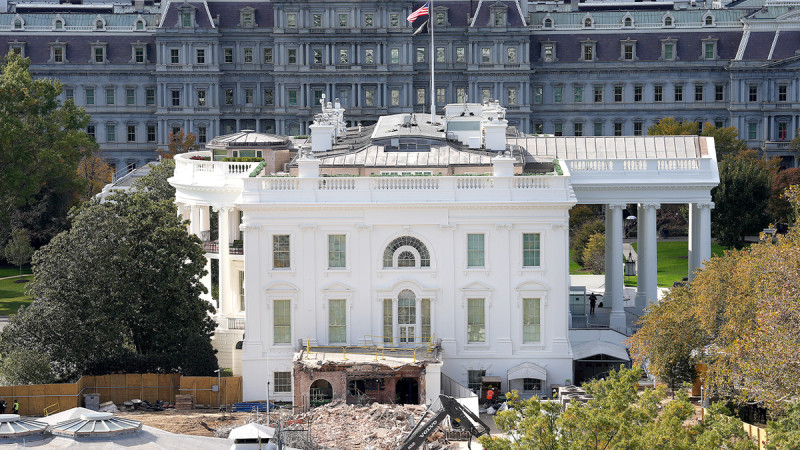
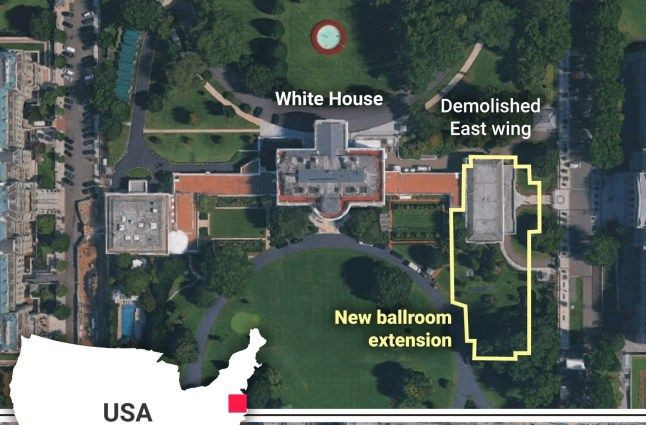
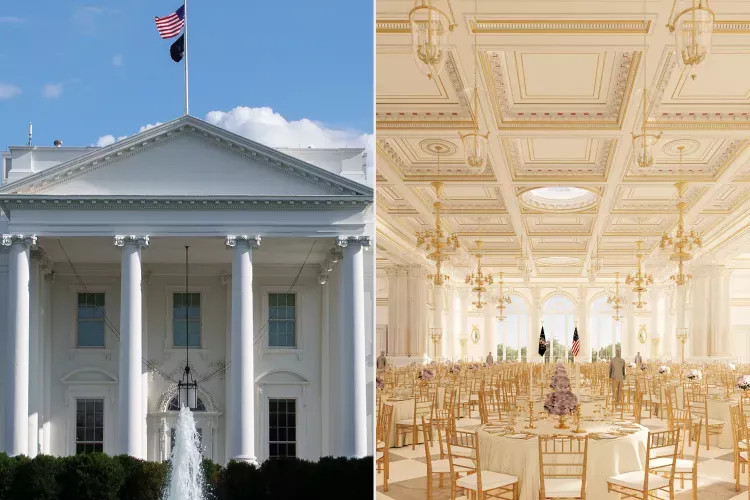
The legal battle over the White House ballroom construction began when a federal judge initially blocked the project, citing a lack of congressional approval. The appeals court recently affirmed this ruling, stating that the administration must pause construction until explicit authorization from Congress is obtained. The project, valued at a staggering $400 million, was intended to replace the demolished East Wing, creating a state-of-the-art ballroom on the east side of the White House grounds.
However, the appeals court's ruling has sent shockwaves through the White House, as the administration has vowed to seek relief from the Supreme Court. The high-stakes showdown over the project underscores the delicate balance of power between the executive and legislative branches. The administration’s insistence on moving forward without congressional approval has raised eyebrows and sparked a flurry of legal challenges.
"The court's decision makes it clear that the administration cannot unilaterally proceed with this project. It sets a significant precedent for future presidential endeavors." — Legal expert
In the meantime, the appeals court has temporarily put its ruling on hold, allowing the president to pursue further legal avenues. This pause offers a glimmer of hope for the project’s proponents, but the future remains uncertain. The administration’s decision to appeal to the Supreme Court adds another layer of complexity to an already contentious issue.
A White House Ballroom Divided: The Political Landscape
The legal challenge over the White House ballroom construction has become a microcosm of the broader political divisions in the country. Critics argue that the project is a waste of public funds and a misuse of presidential authority. They contend that the administration should have sought congressional approval from the outset, rather than rushing into a costly and ambitious undertaking.
On the other hand, supporters of the project see it as a necessary upgrade to an aging and historic building. They argue that the ballroom would enhance the White House's ability to host dignitaries and state events, elevating its status as a global symbol of American power. The debate has polarized opinions, with some calling for a swift resolution and others advocating for a thorough review of the project's merits.
The legal challenge also raises questions about the administration's approach to governance. Critics point to the project as an example of unilateral decision-making, bypassing the checks and balances of the legislative process. This has sparked a broader discussion about the role of the executive branch and the limits of presidential power.
The Future of the White House Ballroom Construction
As the legal battle continues, the fate of the White House ballroom construction hangs in the balance. The appeals court's decision has set a precedent that could influence future presidential projects, emphasizing the importance of congressional oversight. Yet, the ultimate resolution remains elusive, with the Supreme Court potentially playing a pivotal role in this high-stakes drama.
The White House, meanwhile, stands as a silent witness to the unfolding events, its grandeur and history a stark contrast to the tumultuous legal landscape. The project, once a symbol of ambition and vision, is now a testament to the complexities of governance and the delicate balance of power. As the nation watches and waits, the future of the White House ballroom construction remains a legal crossroads, shaping the narrative of American politics in unprecedented ways.
How does this story make you feel?
 Up next · PoliticsThe Trump White House Ballroom Construction Appeal: A Legal Showdown