The Trump White House Ballroom Construction Appeal: A Legal Showdown
A federal appeals court has recently issued a ruling that has sent shockwaves through the White House. The court has ordered a halt to the construction of a massive new ballroom on the White House grounds, citing a lack of congressional approval for the project. This decision marks a significant legal challenge for the Trump administration and has reignited the debate over executive authority and congressional oversight.
The Court's Decision and Its Implications
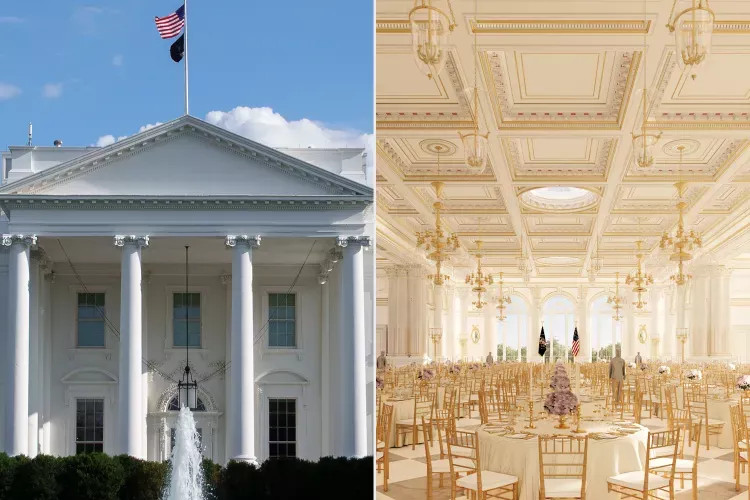
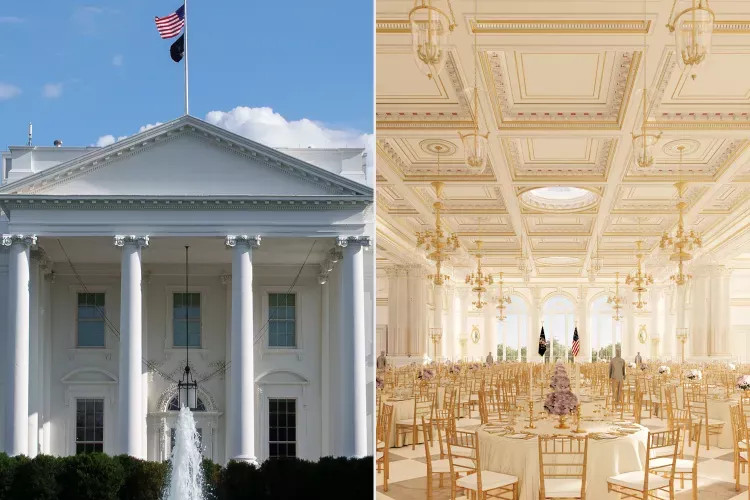
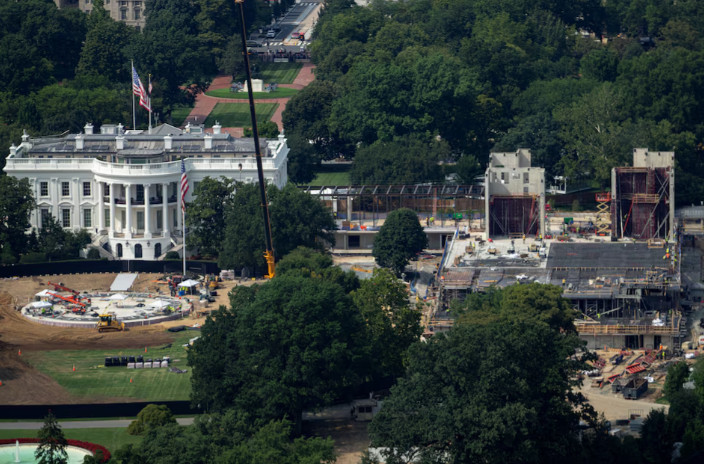
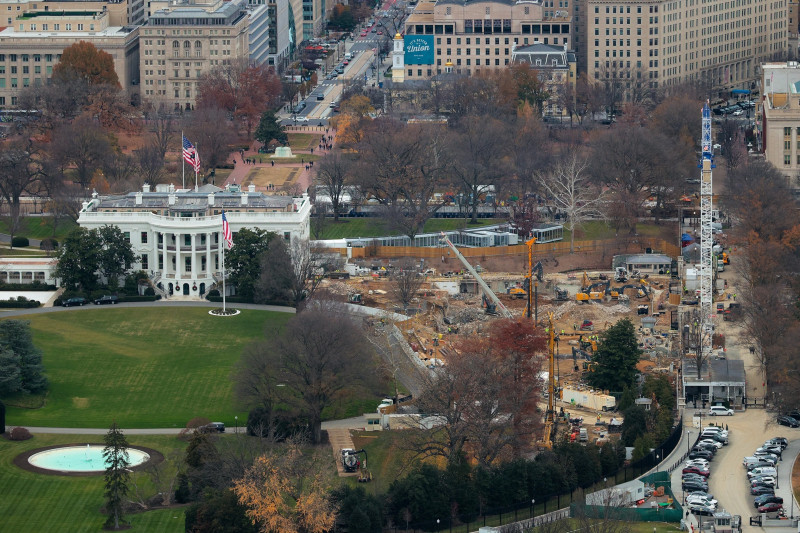
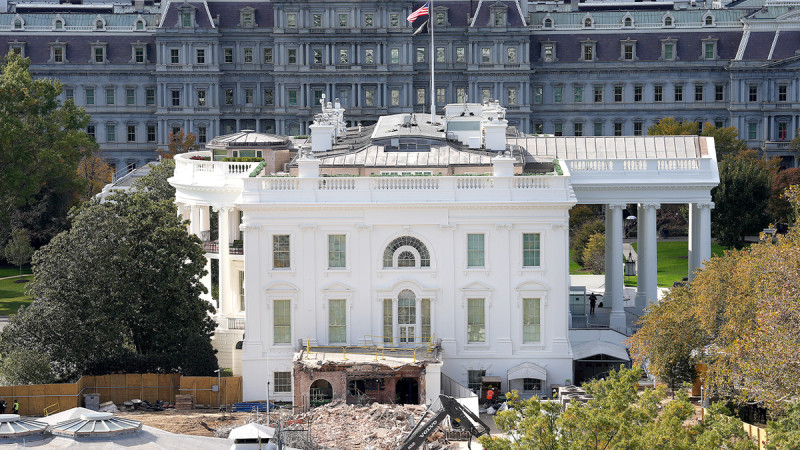
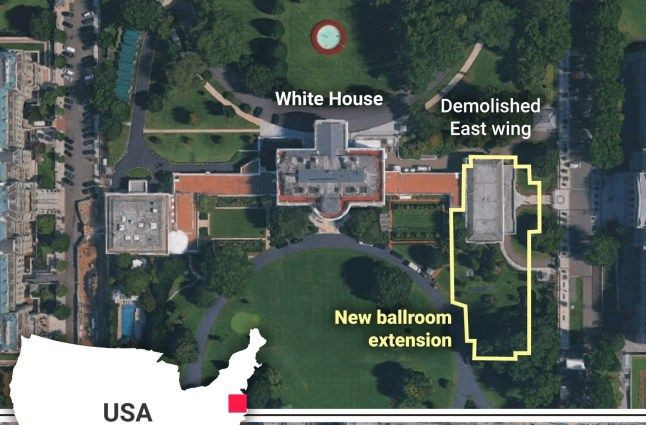
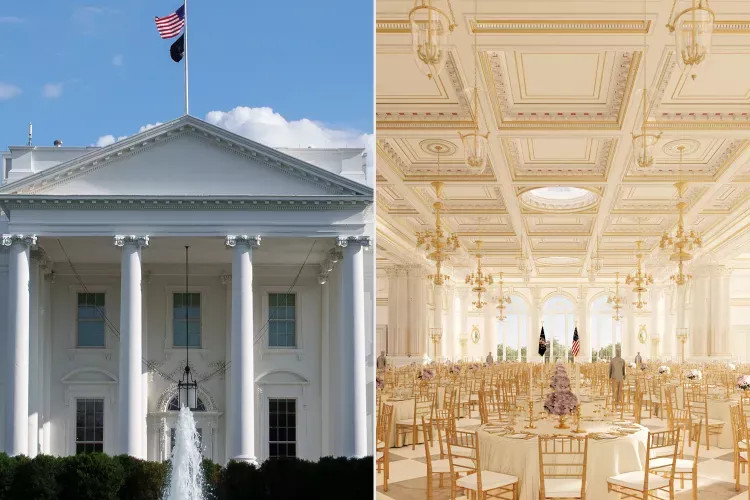
The appeals court's ruling came as a major blow to the Trump administration's plans to construct a 90,000-square-foot ballroom on the east side of the White House grounds, a project estimated to cost a staggering $400 million. The court's decision, which is likely to be appealed to the Supreme Court, underscores the complex legal landscape surrounding the construction and highlights the role of congressional approval in such high-stakes projects. The court ruled that the White House lacks the authority to unilaterally undertake such a massive construction project without congressional approval. This ruling was based on a unanimous decision by the appeals court, which affirmed a lower court's injunction blocking the construction. The decision does not mean construction will halt immediately, but it sets a precedent that could have far-reaching implications for future executive actions.
The Legal Battle and Political Ramifications
The legal battle surrounding the White House ballroom construction has been brewing for some time. The project, which began in recent times, has faced significant opposition from various quarters, including legal challenges and public outcry over its cost and necessity. The Trump administration argues that the project is essential for hosting large-scale events and enhancing the White House's infrastructure. However, critics contend that the project is a misuse of public funds and that the administration lacks the authority to proceed without congressional approval. The latest ruling by the appeals court has added fuel to the fire, with legal experts speculating that the case could ultimately reach the Supreme Court. The decision has also sparked a heated debate over the balance of power between the executive and legislative branches of government. Some argue that the ruling is a victory for congressional oversight, while others see it as an overreach of judicial authority. — This political and legal maelstrom is far from over, with the Trump administration vowing to appeal the decision and take the fight to the highest court in the land.
The Path Forward: Uncertainty and Next Steps
The appeals court's ruling has left the future of the White House ballroom construction in limbo. While the court has ordered a halt to the project, the Trump administration has indicated that it will continue to pursue legal avenues to challenge the decision. This sets the stage for a protracted legal battle that could have significant implications for both the Trump administration and future presidential initiatives. The legal and political fallout from the appeals court's decision is likely to be a major focal point in the coming months. Public reaction has been mixed, with supporters of the Trump administration decrying the court's ruling as an overstep of judicial power, while opponents hail it as a victory for accountability and transparency. The White House has yet to release a definitive statement on the next steps, adding to the uncertainty surrounding the project.
"This ruling is a significant setback for the Trump administration, but it also underscores the importance of checks and balances in our government." — Legal Analyst Jane Doe.The legal and political fallout from the appeals court's decision is likely to be a major focal point in the coming months. To stay ahead of the story, keep an eye on the latest developments in this unfolding saga, as the battle for the White House ballroom construction continues to unfold.
How does this story make you feel?
 Up next · PoliticsDHS Moves to End H-1B 60-Day Grace Period: Upending Lives and Careers