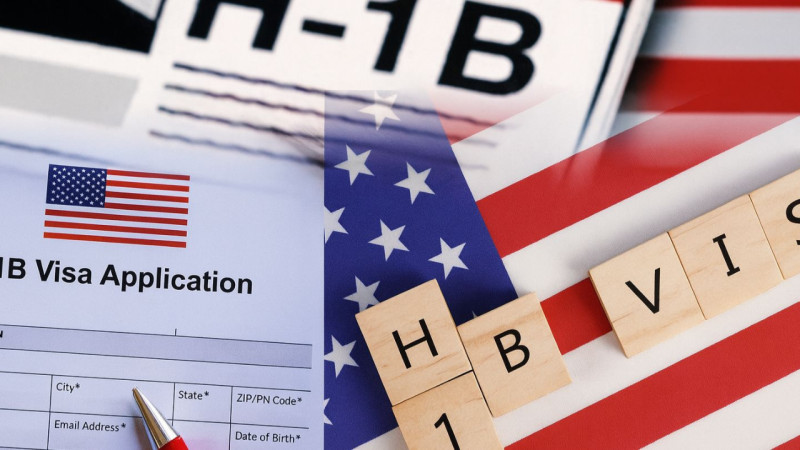
DHS Moves to End H-1B 60-Day Grace Period: Upending Lives and Careers
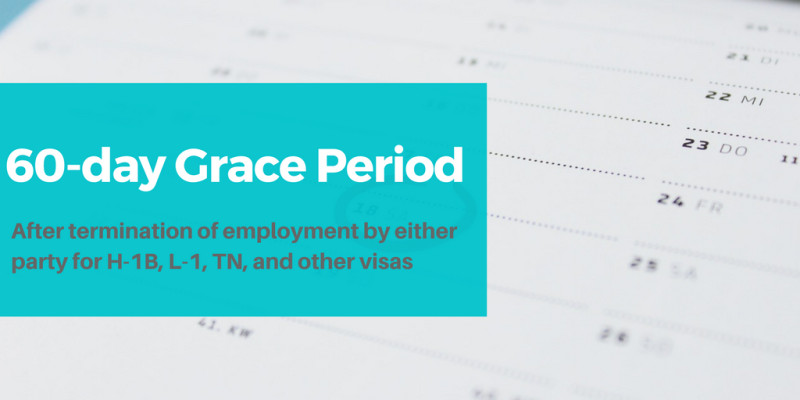
In the fluorescent glare of the briefing room, a recent policy shift by the Department of Homeland Security (DHS) has sent shockwaves through the immigrant community in the United States. The agency is contemplating the elimination of the 60-day grace period for H-1B visa holders. This grace period, often a lifeline for laid-off workers, has been a crucial buffer, allowing them to find new employment or make essential arrangements before leaving the country. The proposed change, if finalized, would significantly impact the lives of hundreds of thousands of professionals, many of whom are deeply integrated into the American tech industry and beyond.
The 60-Day Grace Period: A Lifeline Under Threat
The 60-day grace period has been a cornerstone for H-1B visa holders, providing a window of 60 days from the date of job loss to find new employment or leave the U.S. without violating immigration status. This period has been particularly valuable in the tech sector, where layoffs can happen abruptly. The grace period allows for a structured transition, aiding not just the visa holders but also companies that rely on their expertise. — However, recent proposals by DHS could uproot this stability. The elimination of the grace period would force thousands of H-1B workers into immediate job searches or departure, creating immense stress and uncertainty.
Policy Shifts and Uncertainty: The New Normal for H-1B Workers
The proposed elimination of the 60-day grace period is part of a broader trend of tightening immigration policies. The DHS's move, which echoes earlier proposals under previous administrations, has sparked concerns about the future for H-1B workers, particularly in the tech industry. The H-1B visa is a non-immigrant visa that allows U.S. employers to hire foreign workers in specialty occupations, including fields such as IT, engineering, and healthcare. This visa program has been a contentious issue, with debates surrounding its impact on the U.S. job market and the contribution of foreign talent to the economy. The latest proposal adds another layer of complexity, as it forces workers to navigate an even more precarious path to legal employment in the U.S.
The proposed changes have raised questions about the DHS's discretion in interpreting and enforcing these grace periods. While some argue that the grace period is necessary to maintain stability for workers and their employers, others suggest that it incentivizes overstaying and misuse of the visa system. Despite these debates, the reality remains that for many H-1B holders, the grace period has been a lifeline, allowing them to adjust to new circumstances without the immediate threat of deportation.
The DHS's decision to eliminate the 60-day grace period comes at a time when the tech sector is already facing significant turmoil. Layoffs in major tech companies have been on the rise, and the proposed change could exacerbate the problem. Workers who lose their jobs would have to find new employment or leave the country immediately, adding to the already high stress levels and uncertainty. This sudden change could lead to a brain drain, as highly skilled professionals are forced to leave the U.S. or struggle to find new employment within the tight deadline.
The Impact on Indian Professionals and the Broader Community
The proposed rule change has a particular impact on Indian professionals, who make up a significant portion of H-1B visa holders. According to available reports, Indians constitute a large percentage of H-1B workers, and the elimination of the grace period could disproportionately affect them. For many Indian professionals, the 60-day grace period has been a safety net, allowing them to explore new job opportunities or transition to other visa categories without the immediate fear of deportation.
In addition to the economic impact, the emotional toll on these professionals cannot be overlooked. Being abruptly forced to leave the country or scramble for new employment in a short timeframe could lead to significant emotional and psychological stress. The uncertainty and the pressure to find new employment or leave the country quickly can take a heavy toll, affecting not just the individuals but also their families and communities.
The DHS's move has sparked criticism and concern from various quarters. Many argue that the elimination of the grace period would not only disrupt the lives of H-1B workers but also negatively impact the U.S. economy. The tech sector, in particular, relies heavily on skilled foreign workers, and forcing them out could lead to a shortage of talent, potentially hindering innovation and economic growth.
— The 60-day grace period has long been a crucial element of the H-1B visa program, serving as a safety net for workers facing unexpected job loss. Its potential elimination underscores the broader debate about immigration policies in the U.S. and the role of foreign workers in the economy. As the DHS continues to review the proposed changes, the future remains uncertain for thousands of H-1B visa holders who rely on this grace period to navigate their careers and lives in the U.S.
The proposed changes by the DHS to eliminate the 60-day grace period for H-1B workers are just the latest development in a broader trend of tightening immigration policies. As the review process continues, the fate of the 60-day grace period hangs in the balance, with far-reaching implications for the tech industry and the broader U.S. economy. For now, H-1B workers and their advocates will be closely watching the developments, hoping that the grace period remains a lifeline for those navigating the uncertainties of the U.S. job market.
The latest developments surrounding the H-1B 60-day grace period highlight the delicate balance between immigration policies and the needs of the U.S. economy. As DHS considers the elimination of this crucial period, the future for H-1B workers remains uncertain, with significant implications for both the tech sector and the broader immigrant community. Amidst this uncertainty, the U.S. Department of Labor is quietly reviewing a separate but related proposal that could have profound implications for the H-1B program and its workers.
How does this story make you feel?
 Up next · PoliticsFrank Kendall's Security Clearance Revoked: A Turbulence in the Pentagon