SpaceX Rocket's Unintended Lunar Impact Sparks Scientific Intrigue
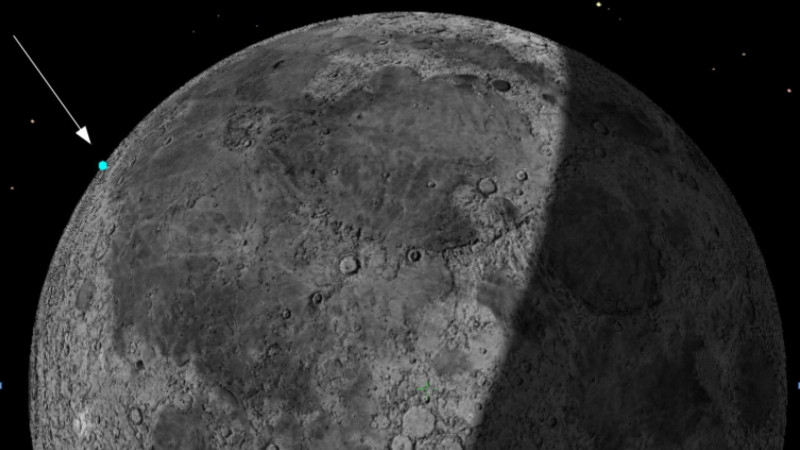
The moon's surface is marked by countless craters, each a testament to the solar system's dynamic history. Today, it gained a new one. An abandoned four-tonne chunk of a SpaceX rocket, the size of a school bus, has crashed into the lunar surface — not as part of any planned mission, but as an unintended consequence of orbital mechanics.
The Unplanned Lunar Encounter
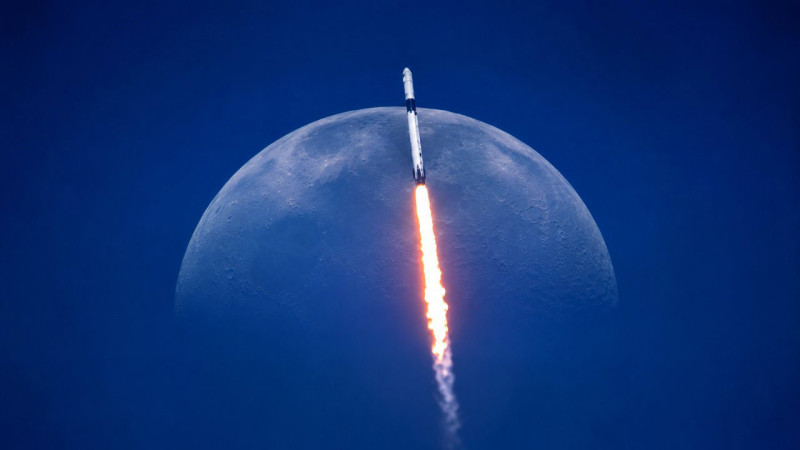
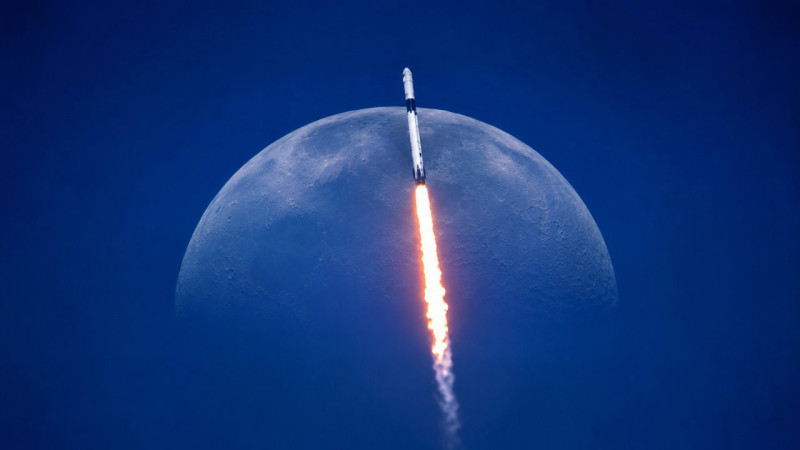
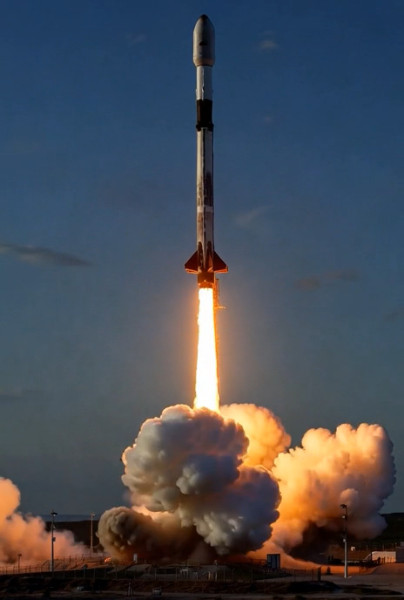
The SpaceX rocket in question launched in January 2025, carrying two commercial lunar landers on a journey to Earth's nearest neighbor. Its mission complete, the rocket stage lacked the fuel to return to Earth or move into a stable deep space orbit. It drifted in an unstable orbit, a silent sentinel in the vast expanse of space, until gravity's inexorable pull steered it towards the moon.
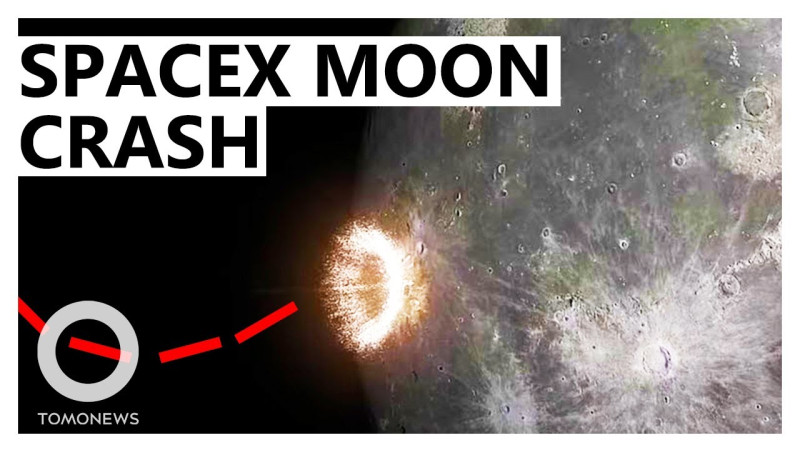
The collision, estimated to have occurred recently, was not directly observed, but astronomers detected a debris plume resulting from the impact. This dramatic event, though unintentional, offers scientists a rare opportunity to study the effects of high-velocity impacts on the lunar surface.
The SpaceX rocket part, weighing approximately 4,000 kilograms, impacted the moon at an astonishing speed of around 8,700 kilometers per hour. The force of the collision is expected to have created a new crater on the lunar surface, potentially blasting an estimated one million kilograms of debris into space.
Scientific Opportunities and Challenges
The crash site, captured in new photos by a lunar orbiter, provides a unique opportunity for researchers to analyze the formation of impact craters and the distribution of ejecta — the material displaced by the collision.
“This event is a fascinating case study in the dynamics of orbital debris and the challenges of space sustainability," says Dr. Alice Zhao, a leading astrodynamics expert. "While the impact itself is not catastrophic, it underscores the need for careful management of space missions and their debris."
The SpaceX rocket crash also raises questions about the potential for future collisions and the long-term impact of space debris on both lunar and Earth environments. As space exploration continues to expand, so too does the need for responsible stewardship of orbital space.
The Future of Lunar Exploration and Orbital Management
As the world's space agencies and private companies alike gear up for more ambitious missions to the moon, Mars, and beyond, this recent SpaceX rocket moon crash serves as a poignant reminder of the inherent risks and responsibilities of space travel. It highlights the need for more robust tracking and mitigation strategies for orbital debris, as well as enhanced collaboration between space-faring nations and organizations.
The moon, ever a silent witness to the cosmos' dramas, will continue to bear the scars of these encounters. Meanwhile, scientists and engineers will be busy analyzing the data from this recent collision, seeking to uncover new insights into the mysteries of our solar system. And as we gaze up at the night sky, we are reminded of the profound impact that even the smallest of human endeavors can have on the vast expanse of the universe.
With the debris plume from the crash still visible, one question looms large: What other secrets of the universe might we uncover from this SpaceX rocket moon crash?
How does this story make you feel?
 Up next · SciencePrepare for a Polar Plunge: Farmers' Almanac Winter Forecast 2026-2027 Predicts a Season of Sharp Contrasts