Get Ready for the Solar Eclipse: mystery and Magic on the Horizon
Look, a rare celestial event is about to unfold, and it's got everyone from amateur astronomers to seasoned stargazers buzzing with excitement. The total solar eclipse of August 2026 is drawing near, promising a spectacle that will captivate millions. The anticipation is palpable as we edge closer to this awe-inspiring phenomenon.
What Time is the Solar Eclipse on August 12, 2026?
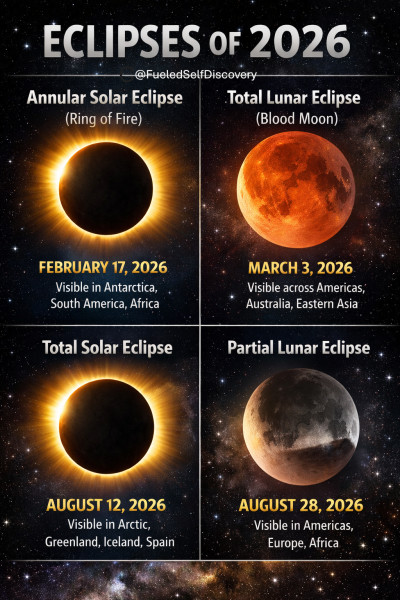
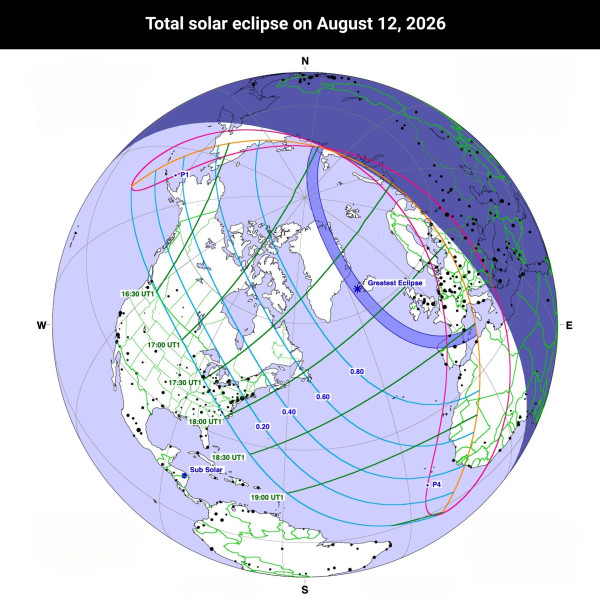
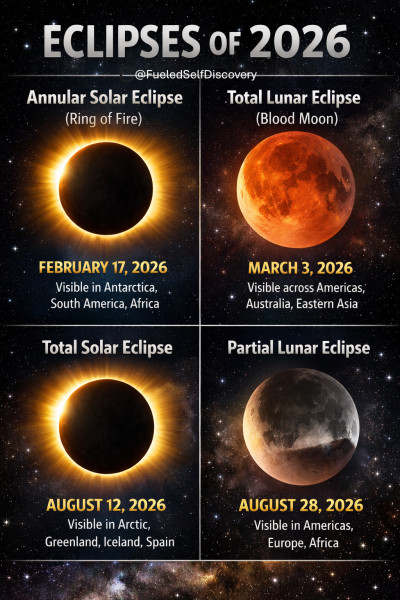
With the excitement building, one of the most frequently asked questions is, "What time is the solar eclipse on August 12, 2026?" Well, the next solar eclipse will be visible in different parts of the world, and the timing will vary depending on your location. For the path of totality, viewers in Iceland and northern Spain will witness the eclipse. According to NASA's official eclipse website, the eclipse will start in the morning in Iceland and will move across the Atlantic, covering parts of Greenland and northern Russia before reaching northern Spain. However, as the timing will vary based on location, referring to a detailed map or local predictions will be crucial for precise insights.
All Eyes on the Path: Where to Watch the Eclipse
So, where can you get the best view of the eclipse? The path of the total solar eclipse 2026 will stretch across Iceland, Greenland, northern Spain, and parts of northern Russia. Those in these regions will experience the full effect of totality. However, for those in other parts of the world, especially in Europe, the spectacle will still be a sight to behold, though not as dramatic. France, for example, will see a deep partial eclipse, with up to 99% of the sun obscured in the far southwestern regions and around 92% in Paris. But if you want to experience the full magic, you'll need to head to the path of totality in northern Spain.
"The upcoming total solar eclipse of 2026 is set to be a once-in-a-lifetime experience for those in the path of totality. The eclipse will offer a rare opportunity to witness the beauty of the sun's corona and the breathtaking effects of totality." - Fred Espenak, NASA scientist
The Science Behind the Eclipse
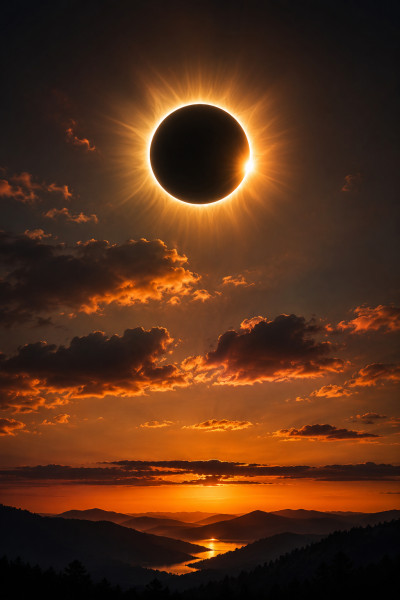
What makes a solar eclipse so captivating? The scientific explanation behind this celestial event is fascinating. A solar eclipse occurs when the moon comes between the sun and Earth, casting a shadow on the Earth's surface. This alignment creates a breathtaking display of light and darkness. During a total solar eclipse, the moon blocks out the sun's light, revealing the sun's corona—a stunning and usually hidden outer atmosphere. The eclipse on August 12, 2026, is a total solar eclipse, meaning the moon will completely cover the sun, creating a mesmerizing spectacle for viewers in the path of totality.
Prepare for the Eclipse
While the anticipation builds, it's crucial to be prepared. Safety is paramount when viewing a solar eclipse. Special eclipse glasses that meet the ISO 12312-2 standard are essential to protect your eyes from the sun's harmful rays. Looking directly at the sun without proper protection can cause permanent eye damage, so make sure you have the right gear. Additionally, consider traveling to one of the prime viewing locations if you want to witness the eclipse in all its glory. Planning ahead will ensure you don't miss out on this extraordinary event.
Look, the total solar eclipse 2026 is more than just an astronomical event—it's a reminder of the vast and wondrous universe we inhabit. So, mark your calendars, gather your eclipse glasses, and get ready for a celestial show that will leave you in awe. The magic of the solar eclipse is on the horizon, and it's an experience you won't want to miss.
How does this story make you feel?
 Up next · ScienceAnticipation Builds for the Total Solar Eclipse 2026 Across Europe