Anticipation Builds for the Total Solar Eclipse 2026 Across Europe
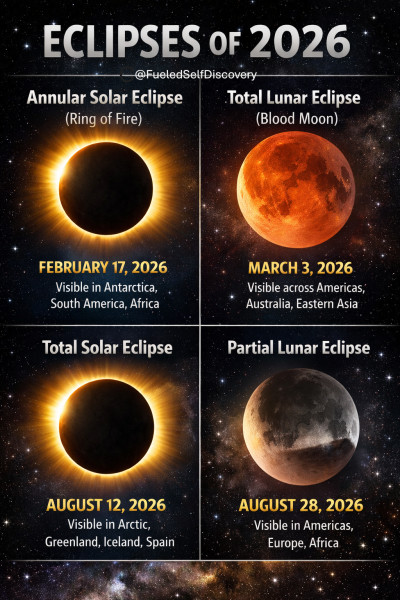
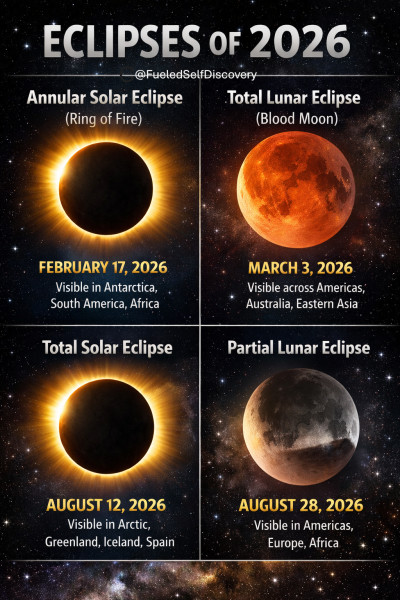
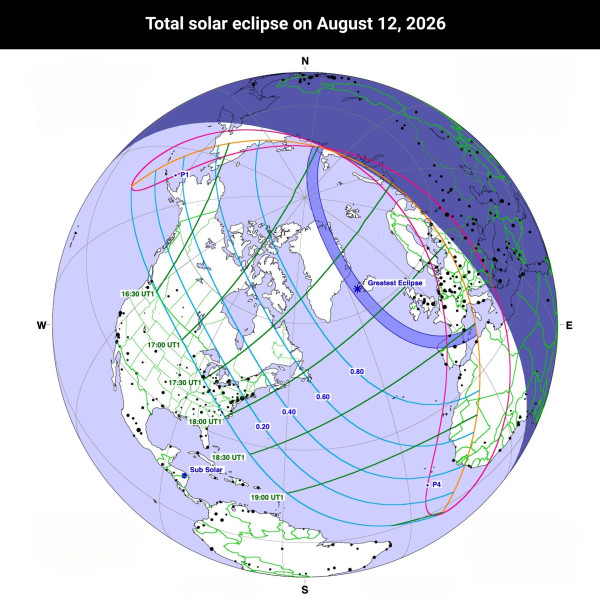
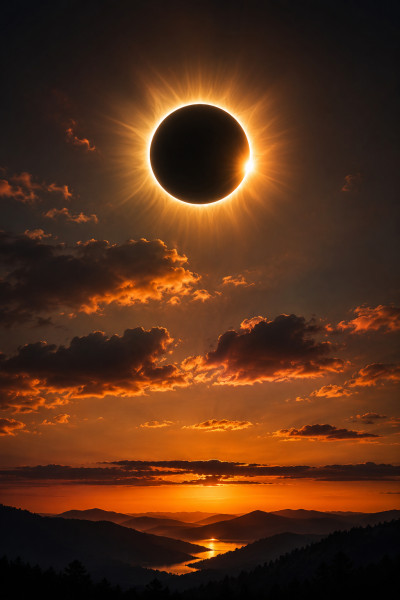
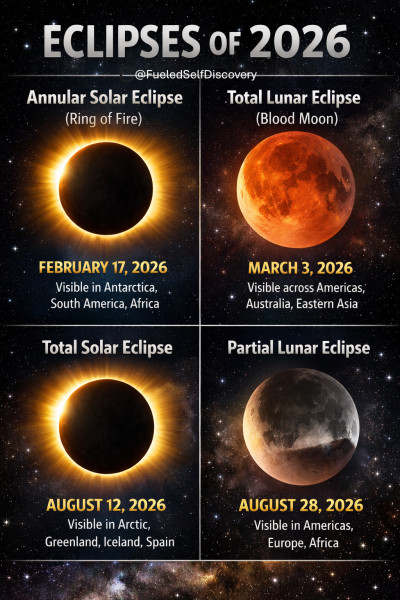
The astronomical community is buzzing with excitement as a total solar eclipse prepares to cast its shadow over parts of the Northern Hemisphere, including Greenland, Iceland, northern Russia, the Atlantic Ocean, Spain, and a small corner of Portugal. This celestial event, set to occur on August 12, promises to be a spectacle for stargazers and casual observers alike. Here's an inside look at the path, timings, and key locations for this rare event.
Where to Watch the Solar Eclipse of August 12, 2026
For those seeking the best view of the August 12 Solar Eclipse, the path of totality stretches from northern Greenland across the Arctic, Iceland, northern Russia, and the Atlantic Ocean before making landfall in northern Spain and a small part of Portugal. This diverse path offers multiple viewing opportunities, with Iceland and Spain being particularly favored locations due to their accessibility and clear skies.
What Time Is the Solar Eclipse on August 12?
The exact timings of the eclipse vary depending on your location. For those in Iceland and Spain, the eclipse will begin in the early morning hours, with totality lasting for a few minutes. For those in other parts of Europe and North America, the eclipse will be visible as a partial eclipse.
Observing the Eclipse: Tips and Safety
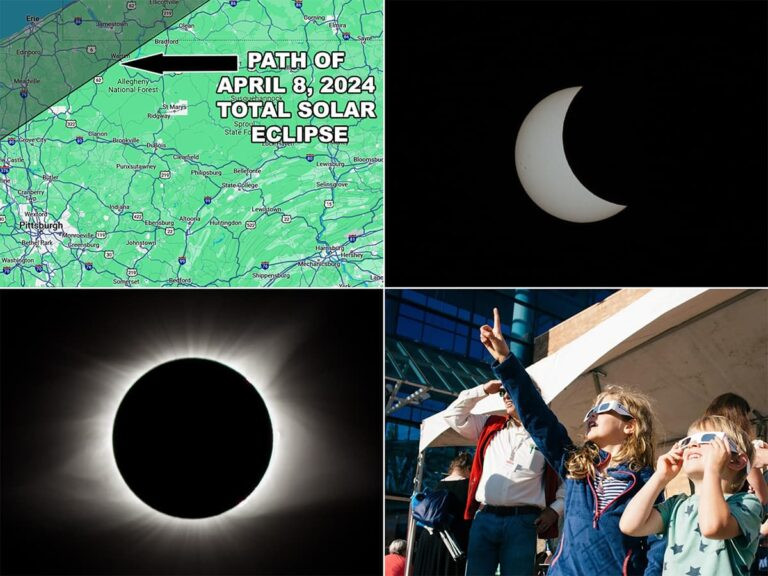
While the anticipation is high, safety remains paramount. Observing the eclipse directly can severely damage your eyes, so it's crucial to use proper protective eyewear or indirect viewing methods. NASA recommends using eclipse glasses that meet the ISO 12312-2 international safety standard or using a pinhole projector to safely view the event.
Contrary to the excitement, there are those who worry about the economic impact of such an event. Businesses in areas like Iceland and Spain might see a temporary disruption due to large crowds.
As we stand on the brink of this extraordinary event, it’s worth reflecting on the historical significance of eclipses. Throughout history, solar eclipses have been both celebrated and feared, marking moments of awe and wonder. For instance, the total solar eclipse of 1919 helped confirm Einstein's theory of general relativity, forever changing our understanding of the universe. Similarly, the Total Solar Eclipse 2026 could inspire a new generation of astronomers and scientists, much like the past eclipses that have shaped our understanding of the cosmos.
How does this story make you feel?
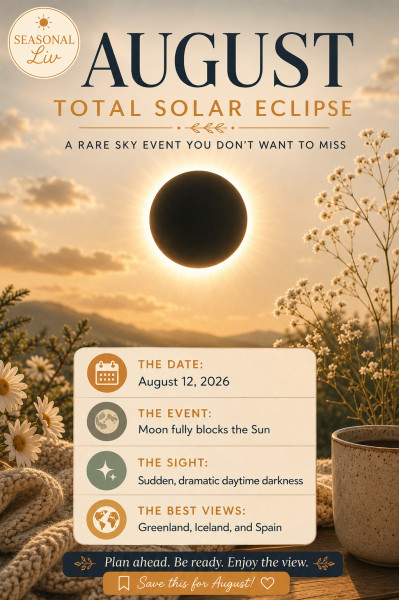 Up next · ScienceA Rare Celestial Event: The August 12, 2026 Total Solar Eclipse