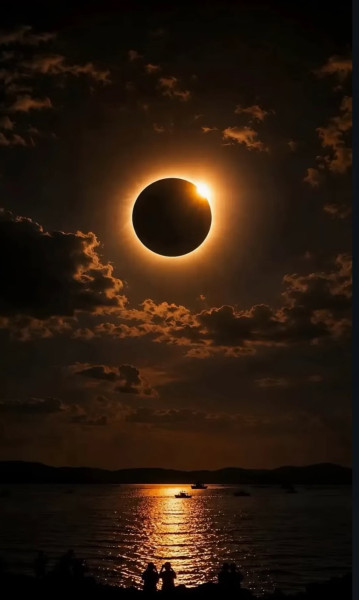
The Rumor: Earth to Lose Gravity for 7 Seconds
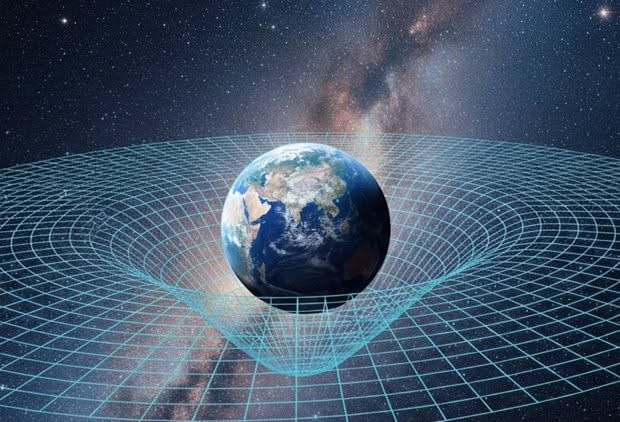
The internet is in a frenzy over a peculiar claim: Earth is set to lose gravity for 7 seconds. The source? A conspiracy theory dubbed Project Anchor, which has been spreading rapidly on social media.
The Project Anchor Phenomenon
According to Project Anchor, Earth would experience a temporary loss of gravity for seven seconds today. This dramatic event, if true, would cause widespread chaos and panic. However, the theory is rooted in unverified rumors and speculations. The idea was supposedly leaked from a secret NASA initiative, but NASA has denied any connection to the theory.
NASA’s Stance on the Gravity Loss Claim
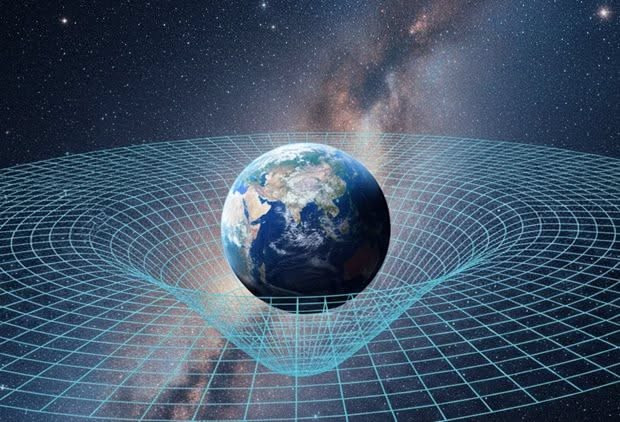
NASA has publicly refuted the gravity loss claim. According to NASA, the Earth’s gravitational force is determined by its total mass, which includes the core, mantle, crust, oceans, and atmosphere. For Earth to lose gravity, it would need to undergo a catastrophic loss of mass, an event that is impossible under current scientific understanding.
NASA has been vocal about the lack of scientific basis for the Project Anchor theory. A spokesperson confirmed that Earth’s gravity will not be affected, and the rumors have no basis in reality. The agency has emphasized that such a dramatic event would require an astronomical shift in Earth’s mass, which is not scientifically feasible.
The Viral Spread and Public Reaction
The conspiracy theory has garnered widespread attention on social media, with posts and videos circulating rapidly. Many users have expressed fear and concern, questioning the veracity of the claims. NASA has been proactive in debunking the rumors, providing clear explanations and reassurances to the public.
The gravity loss rumor has sparked a mix of reactions, ranging from disbelief to anxiety. Social media platforms have been flooded with discussions and debates over the validity of Project Anchor. Despite the extensive coverage, the theory remains unproven, and there is no credible evidence to support the claims.
Despite the excitement and panic, it is crucial to distinguish between credible scientific information and unfounded rumors. NASA has repeatedly clarified that there is no scientific basis for the claim that Earth will lose gravity. The agency’s stance underscores the importance of relying on verified sources for accurate information.
As the rumor mill continues to churn, experts warn that such conspiracy theories can have real-world consequences. Misinformation can lead to unnecessary panic and confusion, highlighting the need for vigilance and critical thinking in the digital age. The gravity loss rumor serves as a reminder of the power of social media in spreading information, both credible and false. It also underscores the importance of scientific literacy and the role of institutions like NASA in providing accurate and reliable information.
Recent events have shown that the public is both fascinated and frightened by the idea of a catastrophic event on a planetary scale. This intrigue is a reflection of the enduring human fascination with the unknown. To some, the idea that Earth might lose gravity, even for a brief period, taps into a deep-seated fear of the unpredictable nature of the universe. It's a fear that has been expressed in countless works of fiction and has captured the imagination of generations. From the apocalyptic visions of H.G. Wells to the cosmic horrors of H.P. Lovecraft, the idea of a sudden, inexplicable event has always held a powerful allure. For the public, Project Anchor is just another chapter in a long history of speculation and fear about the mysteries of our universe.
How does this story make you feel?
 Up next · ScienceSolar Eclipse Today: A Celestial Spectacle Darkens Skies Across Europe and North America