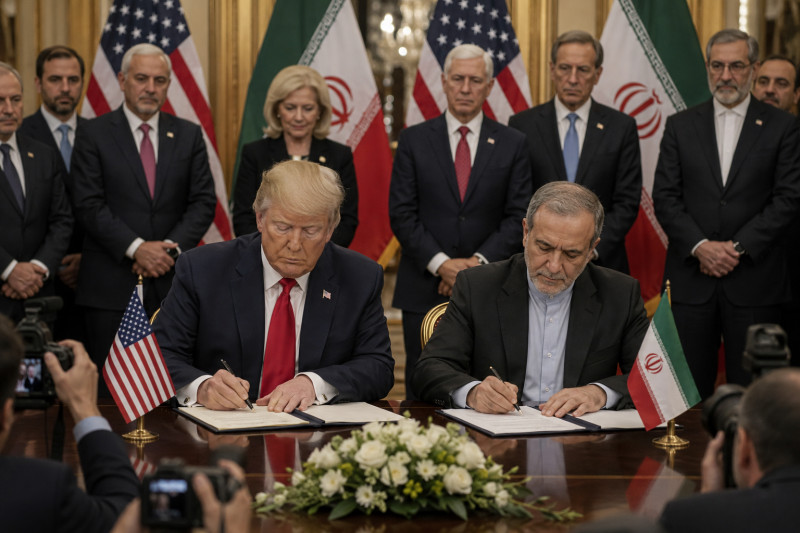
The Unseen Chessboard: Trump's Latest Moves in the Iran Conflict
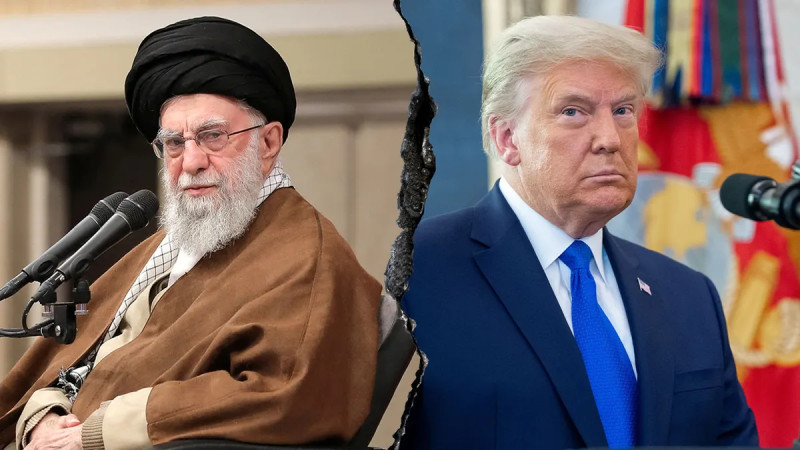
In the ever-shifting geopolitical landscape, the latest development in the Iran conflict has once again drawn the world's attention. Over the last few weeks, Donald Trump's administration has taken bold steps that promise to redefine the dynamics of the region. The recent escalation has sparked widespread discussions and speculations about what this means for global politics and the future of international relations.
Trump Begins Economic Warfare on Iran
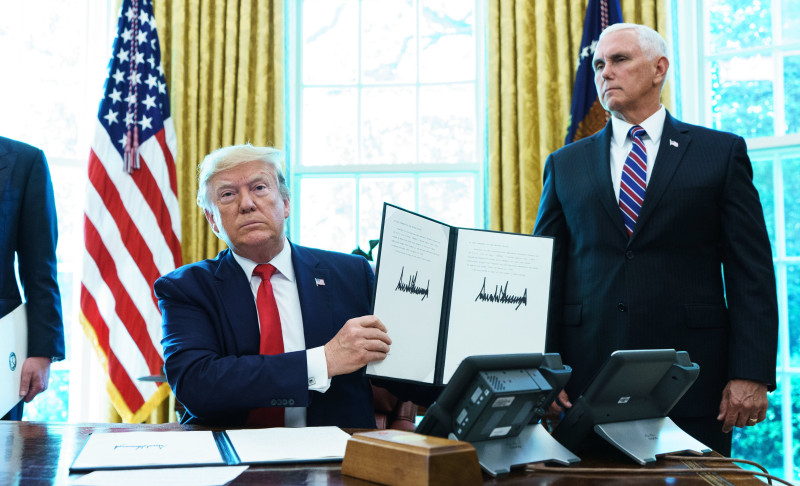
Donald Trump has made it clear that he will not shy away from economic sanctions and trade penalties when it comes to Iran. In a series of recent statements, Trump has warned that his government will impose severe economic penalties on any nation that continues to trade with Iran. This is a significant step in the ongoing conflict, as it aims to cut off Iran's financial lifelines, primarily oil and gas exports, which are crucial for its economy. The Trump administration believes that by choking Iran's financial system, they can force the regime to renegotiate some of the contentious issues, including its nuclear enrichment program.
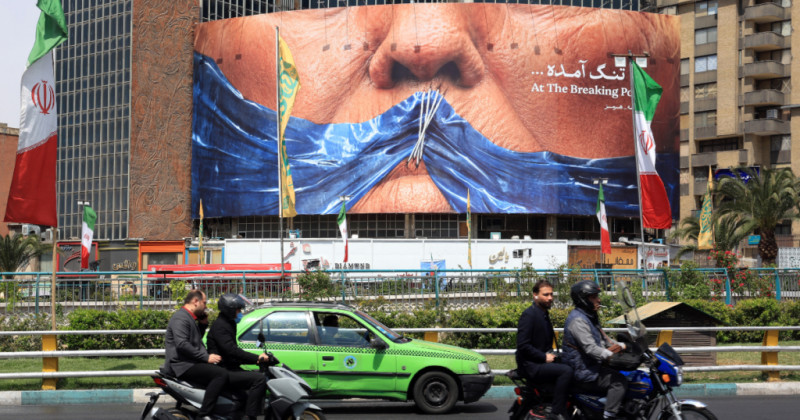
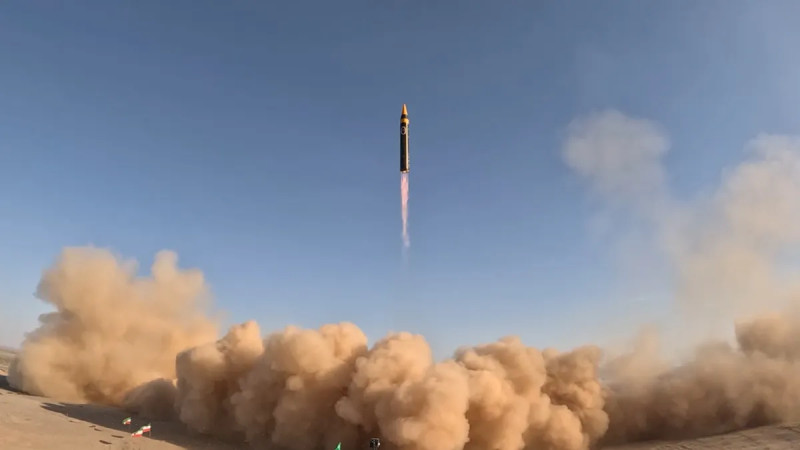
The core of Trump's strategy is to isolate Iran economically, a move that has already seen several nations rethink their trade agreements with the Middle Eastern country. The Iranians, however, have been defiant, dismissing Trump's actions as a continuation of failed policies that have only served to harden their stance. The situation is evolving rapidly, with no clear signs of immediate de-escalation. The tension is exacerbated by the fact that Iran has countered with threats of its own, increasing the risk of military confrontation.
Iran's Response and the Global Response
Iran has responded to Trump's economic measures with a mix of defiance and strategic moves. The country's leaders have vowed to continue its nuclear enrichment program, despite the escalating international pressure. This stand has drawn mixed reactions from various global powers. While some nations have rallied behind Trump's sanctions, others have expressed concerns about the potential fallout of a full-blown conflict.
Countries like Russia and China, which have significant economic ties with Iran, have been particularly vocal about their opposition to the sanctions. They argue that such unilateral actions by the U.S. are destabilizing and could lead to a broader conflict in the Middle East. The European Union, while not directly opposing the sanctions, has called for a more diplomatic approach, urging all parties to engage in dialogue to resolve the dispute.
The Ground Reality and Future Implications
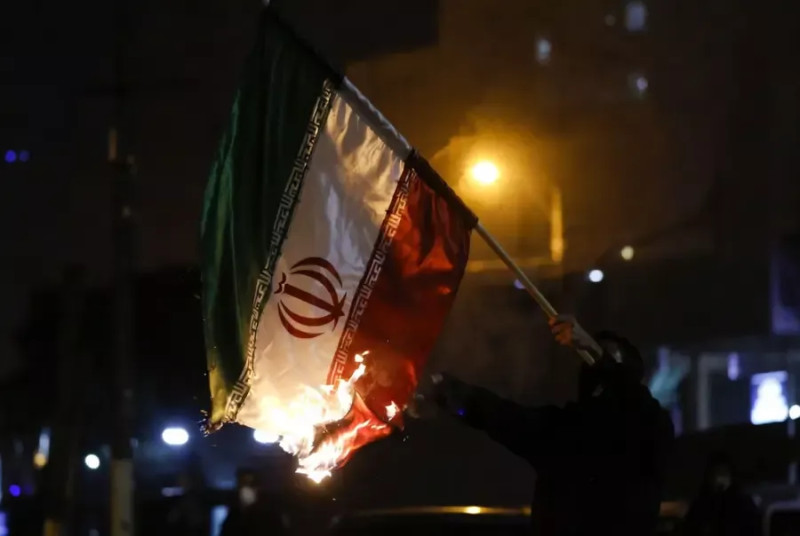
On the ground, the situation remains volatile. The economic sanctions have already started to affect the Iranian population, with shortages of essential goods and rising prices. This has led to increasing unrest and protests, as people struggle to cope with the economic downturn. However, the Iranian government has attributed the unrest to foreign interference, further complicating the situation.
The future of the conflict remains uncertain, with both sides locked in a game of brinkmanship. Trump's administration is determined to push ahead with its sanctions, while Iran remains resolute in its stance. The global community, meanwhile, watches with bated breath, hoping for a resolution that avoids a full-scale war. The ongoing conflict highlights the intricate web of global politics, where economic sanctions and military threats often coexist with diplomatic efforts and alliances. As the situation unfolds, it remains to be seen how this geopolitical chess game will play out and what the final outcome will be.
As the sun sets on the Middle East, the question remains: will the Iran conflict be resolved through diplomacy or will it escalate into a full-blown war, changing the landscape of global politics forever?
How does this story make you feel?
 Up next · PoliticsHenry Kissinger's Life Partner Nancy Sharon Kissinger Dies at 92