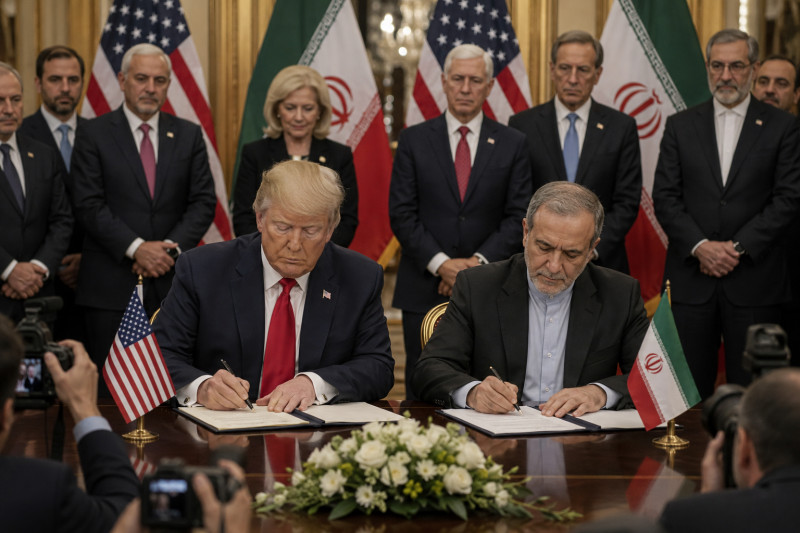
Trump's Latest Economic Moves: The Escalating War on Iran's Economy
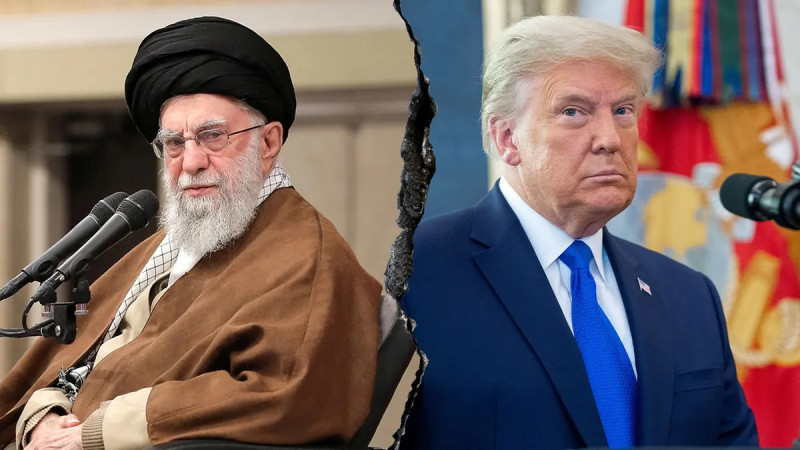
In recent times, the US economic pressure campaign against Iran has intensified, marking a significant shift in the ongoing conflict. The Trump administration has launched a series of aggressive financial measures, dubbed Operation Economic Fury, aimed at crippling Tehran's economy and forcing a decisive end to the protracted war. This escalation comes as the US faces diminishing military options and increasing domestic pressure over the war's impact.
The Unfolding Economic Battle: Operation Economic Fury
The latest phase of the economic campaign, announced recently, is touted as the "most crushing" economic operation ever. This move follows a pattern of escalating financial pressure that the Trump administration has been waging since April, as part of a broader strategy to counter Iran's influence in the region. The new sanctions and economic measures are designed to target Iran's key trading partners, including China, and to disrupt its financial infrastructure.
The specific details of these new measures remain unclear, but they are expected to include expanded sanctions on Iranian financial institutions, restrictions on oil exports, and penalties for foreign companies that continue to do business with Tehran. The goal, according to the administration, is to bring Iran to the negotiating table by making the cost of continued conflict too high to bear.
Iran's Response and the Looming Escalation
Iran, however, has proven resilient in the face of previous economic sanctions, and there are concerns that the latest round of measures may not achieve the desired outcome.
"Iran has survived decades of sanctions. Faced with more, it is likely to escalate rather than surrender."Tehran has vowed not to submit to the pressure and has taken steps to bolster its defenses and diversify its economic ties.
Moreover, the US's economic campaign is not without its own risks. The increased sanctions could further destabilize the global oil market, leading to higher gas prices for American consumers and potential backlash from allies who rely on Iranian oil. The administration's ability to maintain its economic pressure campaign will also depend on whether it can persuade its allies to join in, particularly China, which has significant economic interests in Iran.
The Naval Oil Corridor: A Critical Front in the Economic War
In addition to the economic measures, the US has also been focusing on securing the naval oil corridor in the Strait of Hormuz, a critical waterway for global oil trade. The US aims to reopen the strait, which has been a key target in the ongoing conflict with Iran, as part of its economic campaign. The goal is to disrupt Iran's economic lifeline by controlling the flow of oil through the region, thereby dealing a significant blow to Tehran's financial stability.
However, this strategy is not without challenges. Iran has a strong naval presence in the region and has shown a willingness to use force to protect its interests. The US's ability to successfully control the corridor and maintain the pressure on Iran's economy will depend on its ability to navigate these complex geopolitical waters.
As the economic war against Iran intensifies, the question remains: will the latest round of sanctions and financial measures be enough to bring Tehran to the negotiating table, or will they simply lead to further escalation and instability in the region? The coming months will be critical in determining the outcome of this ongoing conflict and the effectiveness of the US's economic pressure campaign.
How does this story make you feel?
 Up next · BusinessTrump's Tariffs and the Collapse of US-Canada Trade Talks