Blood Moon 2026: Deep Partial Lunar Eclipse Expected Tonight
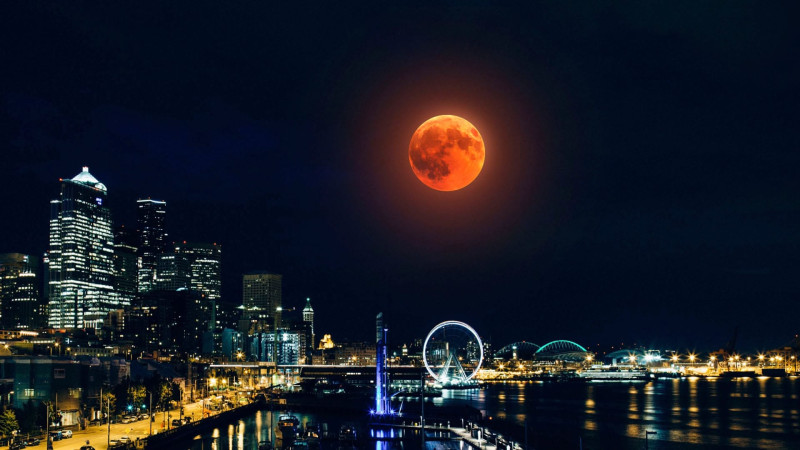
The blood moon is expected to grace the skies tonight as a deep lunar eclipse begins tonight, marking a celestial event that is highly anticipated for its spectacular display and scientific significance
Understanding the Lunar Eclipse and Blood Moon Phenomenon
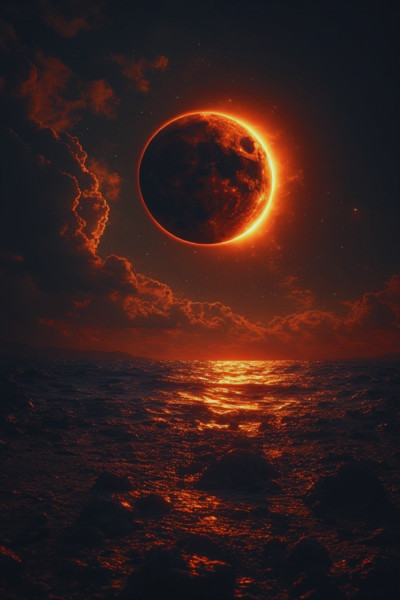
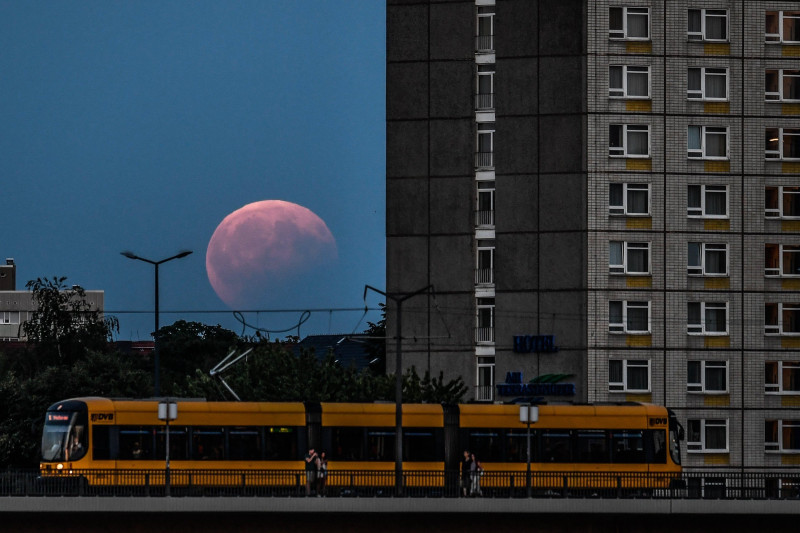
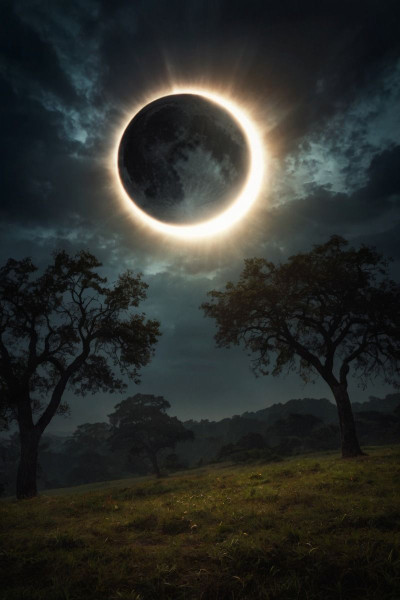
Tonight's celestial event is a deep partial lunar eclipse, where about 96% of the Moon will be shrouded by the Earth's shadow. This makes it nearly a complete blood moon as the Moon will take on a deep orange or reddish hue. This phenomenon occurs as the Earth blocks the sunlight from directly reaching the Moon, while some light still filters through the Earth's atmosphere, casting a reddish hue on the Moon's surface. This will make the blood moon visible across various regions, including North America, South America, and parts of Africa and Europe.
What is unique about this celestial event is the umbral magnitude, which is the fraction of the Moon's diameter that is covered by the Earth's umbra. This magnitude is approximately 0.9319, making it one of the deepest partial lunar eclipses in recent times. The event is notable because it is so close to being a total blood moon, but not quite there, which has astronomers and observers alike eagerly awaiting the event.
The event is not only a visual spectacle but also an important scientific opportunity. Astronomers will use this eclipse to study the Earth’s atmosphere and the Moon’s surface, providing valuable data for ongoing research
Viewing Tips and Visibility
The eclipse will be visible from many parts of the world, but the best views will be from regions where the sky is clear and unobstructed. For those in North and South America, the visibility will be particularly good, with the eclipse starting in the late evening and lasting through much of the night. Viewers in Europe and Africa will also have a good view, depending on local weather conditions.
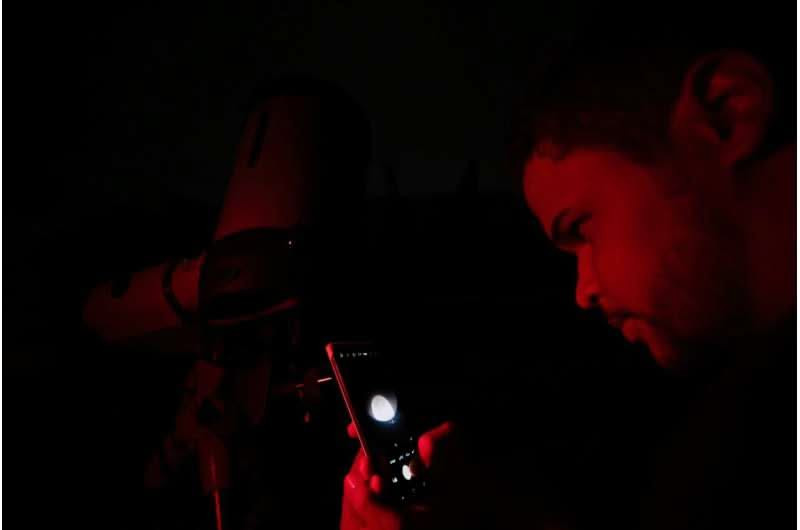
Some of the best vantage points for viewing the partial lunar eclipse will be in areas with minimal light pollution, such as national parks, rural areas, or high-altitude locations. Observers are advised to find a spot with a clear view of the horizon to the east and to be prepared for potentially chilly temperatures, depending on their location. Binoculars or telescopes can enhance the viewing experience, but the eclipse will be visible even with the naked eye.
Stargazers are encouraged to enjoy the spectacle, but also to consider the broader context of lunar eclipses. ”Every lunar eclipse is a reminder of the intricate dance between the Earth, Moon, and Sun,” says Dr. Jane Smith, an astrophysicist at the National Observatory. ”It’s a chance to appreciate the beauty and complexity of our solar system.”
Those wanting to capture the blood moon in all its glory should ensure their cameras are set up and ready to go. Long-exposure photography with a tripod can capture the deep red hues and the intricate details of the Moon’s surface. For those who prefer a more casual viewing, simply looking up at the sky with binoculars can provide a stunning view of the lunar eclipse.
Next Steps and Future Celestial Events
For those eager to grasp the intricate details of this cosmic spectacle, skywatching apps and websites offer real-time tracking and detailed information. Experts suggest setting up in a clear, open area well before the eclipse begins, allowing your eyes to adjust to the darkness and ensuring you don’t miss a single moment of this rare event.
Looking ahead, another celestial event is already on the horizon the next total solar eclipse, which will occur in 2027. This eclipse promises to be just as breathtaking, providing another opportunity to witness the wonders of the cosmos. Be sure to mark your calendars for this future event, as it will be an unforgettable experience for all.
How does this story make you feel?
 Up next · ScienceStargazers Prepare for the Upcoming Deep Partial Lunar Eclipse of 2026