U.S. weighs using MOAB in potential strikes against Iran
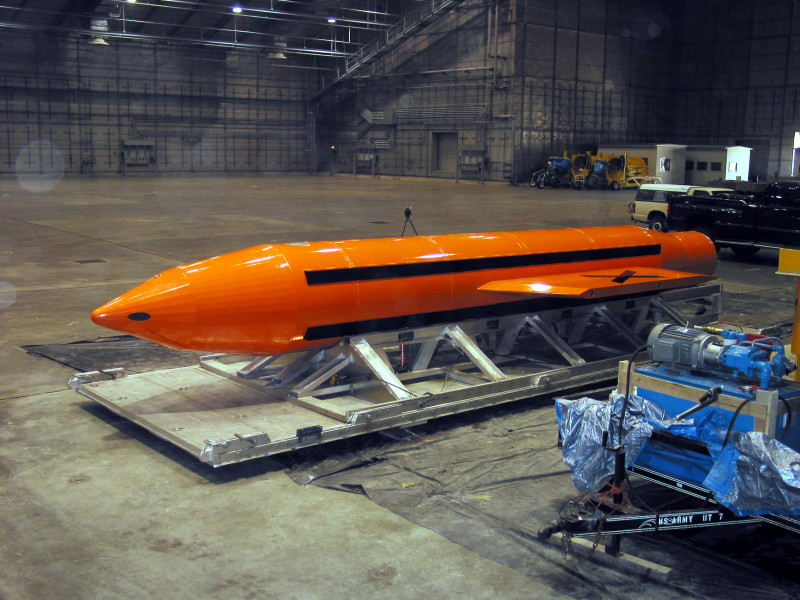
The U.S. is reportedly considering deploying the GBU‑43/B Massive Ordnance Air Blast bomb, the most powerful non‑nuclear weapon in its arsenal, in future attacks on Iranian military and energy targets amid rising tensions.
Key points
- U.S. officials are studying use of the 21,600‑pound MOAB against Iranian infrastructure.
- The bomb would represent a major escalation in the conflict and could deter further aggression.
- Critics warn the blast could cause civilian casualties and destabilize the region.
- The decision would have far‑reaching strategic consequences.
- The debate reflects uncertainty over whether the MOAB aligns with Washington’s objectives in Iran.
The United States is reportedly weighing the use of the GBU-43/B Massive Ordnance Air Blast (MOAB) bomb, colloquially known as the 'Mother of All Bombs,' in potential strikes against Iranian targets. This massive, non-nuclear weapon has resurfaced in strategic discussions as tensions with Iran escalate.
Potential Use of GBU-43/B in Iran Conflict
Recent reports indicate that the U.S. military is considering deploying the GBU-43/B MOAB against Iranian military and energy infrastructure. Weighing about 21,600 pounds, the MOAB is the most powerful non-nuclear bomb in the U.S. arsenal, designed to detonate above the ground and produce a massive blast across a wide area.
Strategic Implications of MOAB Deployment
The use of the MOAB would mark a significant escalation in the ongoing conflict, which has seen multiple U.S. officials and military planners developing options for its potential deployment. The bomb's massive blast radius and destructive power make it a formidable weapon, but experts are questioning whether it is the right tool to achieve Washington's strategic objectives in Iran.
Impact and Reactions
The consideration of using the MOAB has sparked debate among military strategists and analysts. Some argue that the bomb's sheer destructive power could send a strong message to Iran, potentially deterring further aggression. However, others warn that its use could lead to significant civilian casualties and further destabilize the region, drawing comparisons to the use of the MOAB in Afghanistan, which was used to target tunnels and caves.
"The GBU-43/B is a game-changer, but it's also a double-edged sword. Its deployment could have far-reaching consequences beyond the immediate military impact," said a senior U.S. military official, speaking on condition of anonymity.
In recent times, the U.S. has explored various military options, including the potential use of the GBU-43/B MOAB, as part of its contingency planning for strikes on Iranian targets. As the situation evolves, the deployment of this powerful weapon remains a critical factor in the ongoing strategic discussions.
As the U.S. considers its next moves, the potential use of the GBU-43/B MOAB in Iran remains a closely watched development, with implications for both military strategy and regional stability. The next phase in this escalating conflict could hinge on the deployment of this formidable weapon, a decision that would have far-reaching consequences.
Your questions, answered
What is the GBU-43/B MOAB?
The GBU-43/B Massive Ordnance Air Blast, nicknamed the Mother of All Bombs, is the most powerful non-nuclear bomb in the U.S. arsenal, designed to detonate above ground and produce a wide-area blast.
Why is the U.S. considering the MOAB for Iran?
Officials say the bomb’s destructive power could send a strong message to Iran and deter further aggression, but its use could also lead to civilian casualties and regional destabilization.
How does this story make you feel?
Topics
 Up next · WorldClark Atlanta University senior Morgan Gamble dies in Atlanta crash