Trump's Renewed Push for Permanent Daylight Saving Time Reignites Debate
In recent times, the contentious issue of daylight saving time has resurfaced with a vengeance, driven by a renewed push from President Donald Trump. His impassioned call to make daylight saving time permanent has reignited a national debate that has been simmering for years. Although the twice-yearly clock changes remain a fixture in the American calendar, Trump's advocacy has added fuel to the fire, urging Congress to take decisive action and put an end to the biannual ritual that has long frustrated millions of Americans.
Trump's Call to Action: Making Daylight Saving Time Permanent
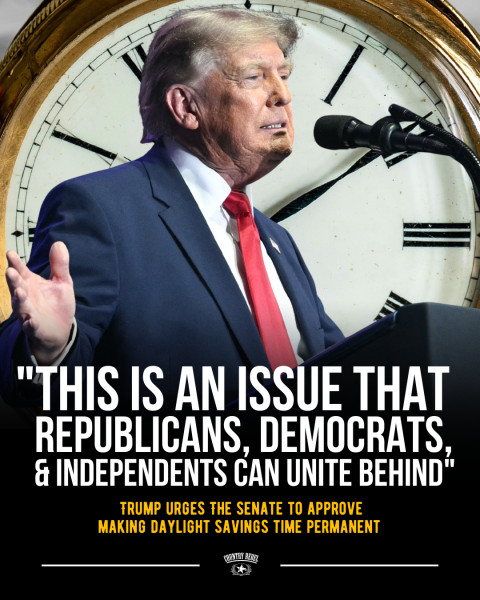
The daylight saving time debate is nothing new, but Trump’s recent interventions have brought it into sharp focus. He called on the Senate to pass the Sunshine Protection Act, a bill that would make daylight saving time a year-round fixture. Trump's enthusiasm for the idea isn't new; he has long advocated for ending the biannual clock changes, describing them as "foolish, inconvenient, and in some cases, costly". His latest push, made through a Truth Social post, underscores his unwavering support for the cause, despite the ongoing legislative hurdles.
The Legislative Landscape: Where Things Stand
Despite Trump's fervent backing, the legislative path to making daylight saving time permanent is fraught with challenges. The Sunshine Protection Act, which aims to eliminate the biannual clock changes, has faced numerous hurdles in Congress. The bill, which would require both Senate approval and the President's signature to become law, has been repeatedly stalled by political gridlock and differing opinions among lawmakers. This is not the first time the bill has been introduced, but Trump's renewed push has injected new energy into the debate, highlighting the need for a decisive resolution.
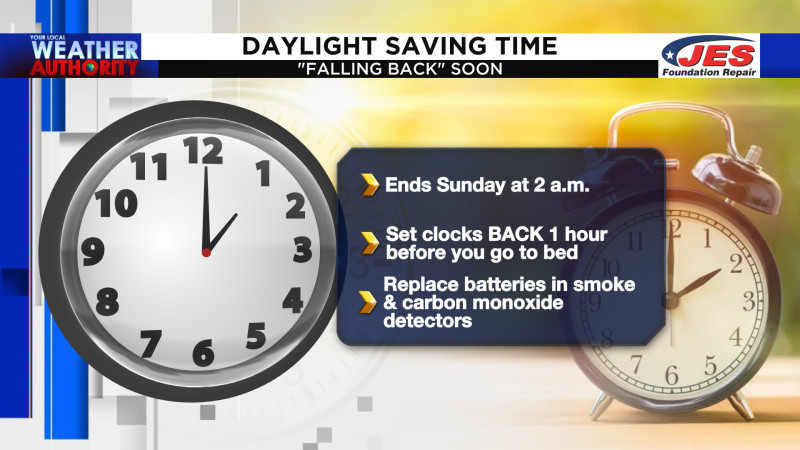
Paradoxically, while Trump’s push for permanent daylight saving time has gained traction, the current law still dictates that daylight saving time will end on November 1st, 2026, when clocks will be turned back by an hour. This dichotomy underscores the complex nature of the issue and the ongoing efforts to align legislation with public sentiment. The data is damning: millions of Americans have long expressed frustration with the twice-yearly clock changes, citing health, safety, and economic concerns as primary motivations for a change.
The Counter-Argument: The Case for Standard Time
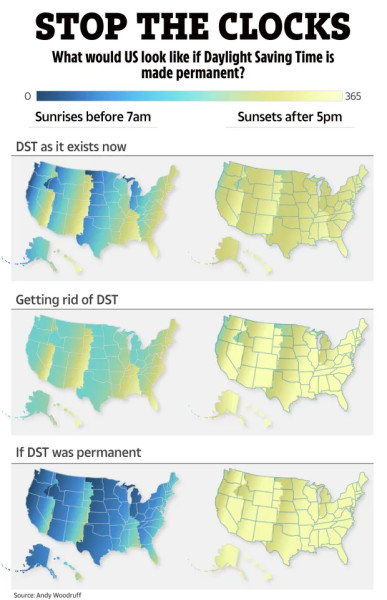
While Trump’s push for permanent daylight saving time has gained significant traction, it’s crucial to acknowledge the counter-argument. Critics argue that the switch to permanent daylight saving time could have unintended consequences, particularly in regions where standard time is preferred. For instance, children in these areas might have to wait for hours at bus stops in the dark, potentially compromising their safety. Moreover, the potential disruption to agricultural and industrial schedules could have broader economic implications, which would affect a significant portion of the population.
Trump’s call to action has given renewed momentum to a longstanding debate, highlighting the need for a comprehensive solution that considers all perspectives. The issue of daylight saving time is anything but settled, and the ongoing legislative efforts reflect the deep divide in public opinion. Despite the challenges, the push for a permanent solution has never been more urgent, and the coming months will be pivotal in determining the future of daylight saving time in the United States.
One thing is for certain: the clock is ticking, and the final decision on the future of daylight saving will have a profound impact on the lives of millions of Americans.
How does this story make you feel?
 Up next · PoliticsTrump's Strategic Endorsement of Saritha Komatireddy: A New Dynamic in New York Politics