El Niño Redefines U.S. Winter Weather Outlook
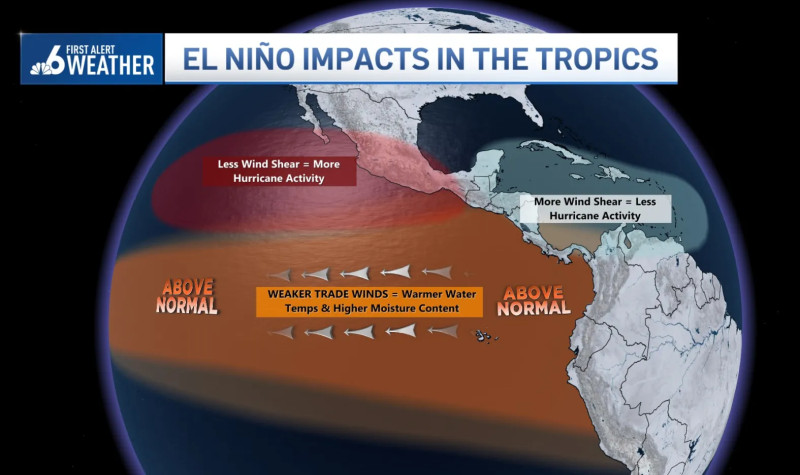
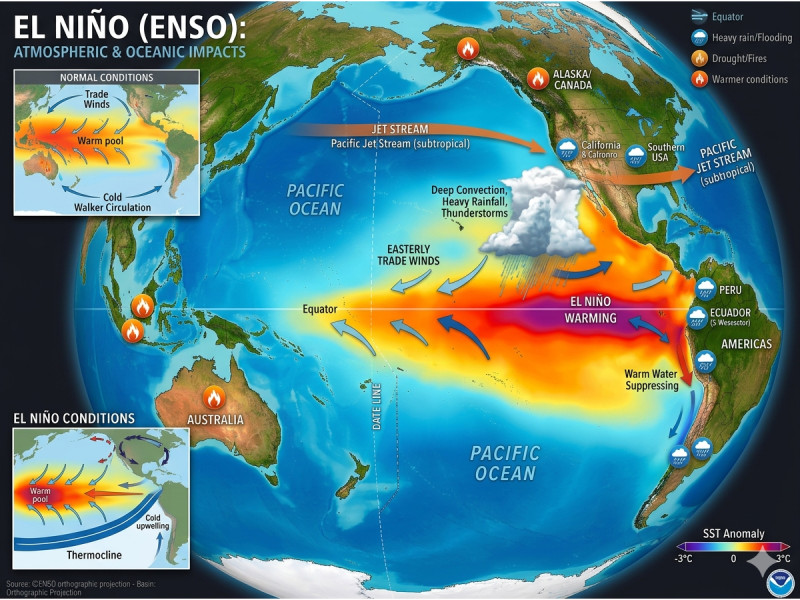
The 2026-2027 U.S. winter climate outlook is coming into focus, and it's all thanks to a phenomenon that's been looming on the horizon for months now. El Niño is set to reshape precipitation and temperature patterns across the country, promising a winter that's anything but ordinary.
Unpacking NOAA's Winter Projections
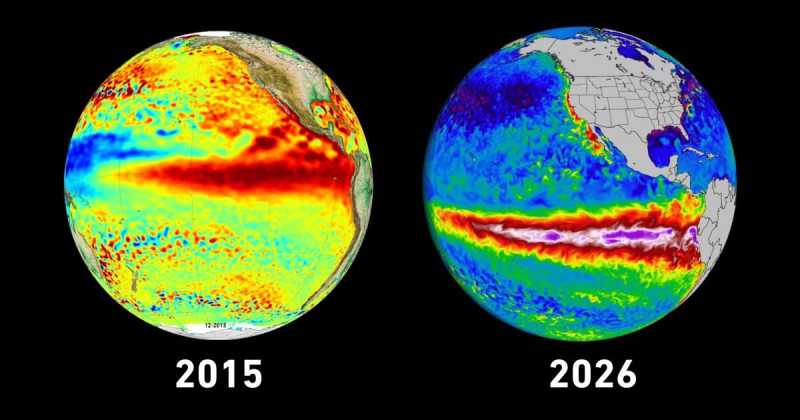
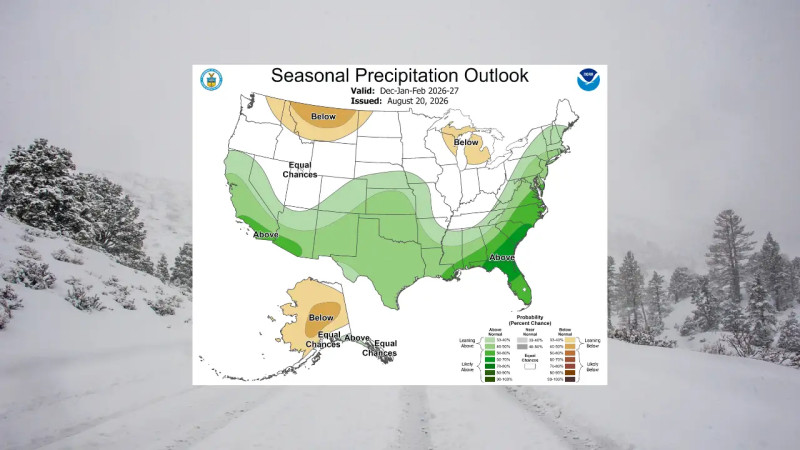
Federal forecasters have released an updated NOAA winter snow map that provides clues about what to expect in the coming months. According to the latest NOAA El Niño forecast, a record-setting El Niño is expected to steer the winter pattern, shifting storm tracks and altering snowfall. One of the key takeaways is the shift in precipitation patterns.
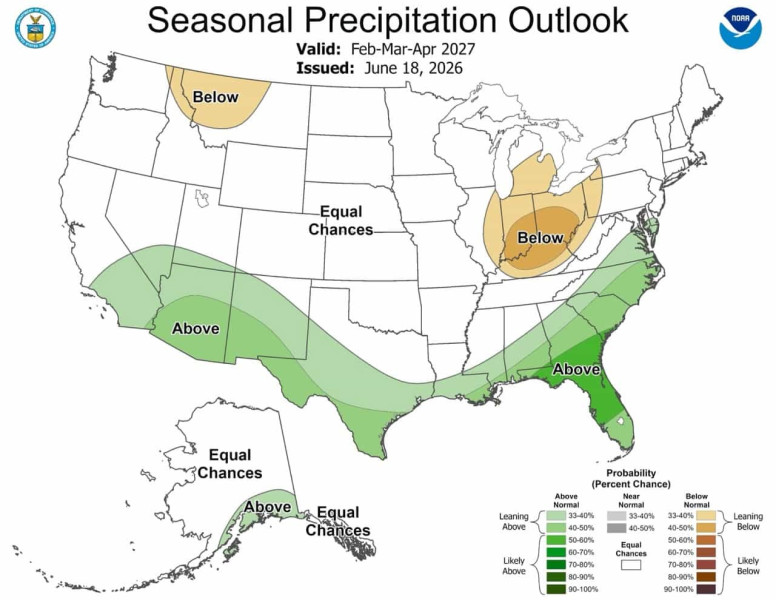
The NOAA winter snow map reveals wetter-than-average conditions for the Southwest, South, and East Coast, with drier-than-average conditions forecast for parts of the northern Rockies, Great Lakes, and central Alaska. This means regions accustomed to heavy snowfall may see a significant reduction, while others might experience unexpected rainfall or snow.
What Shifting Storm Tracks Mean for the Nation
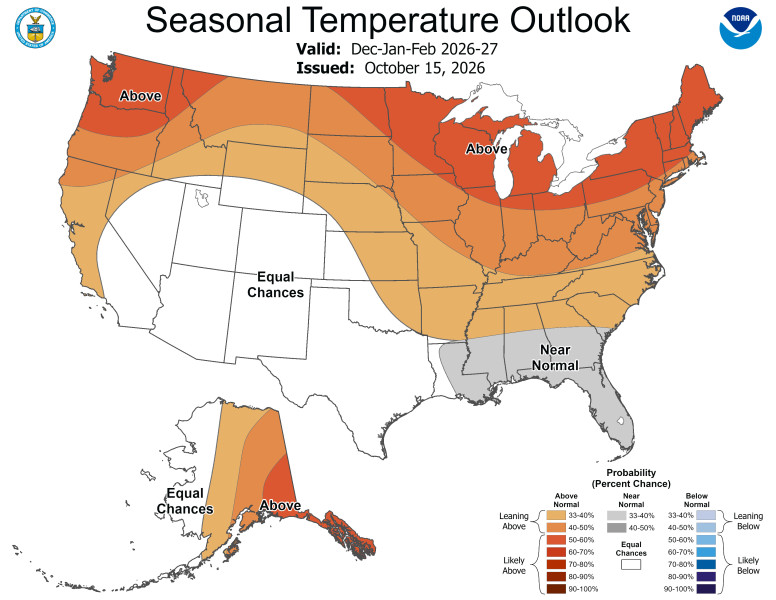
Think again if you're expecting a typical winter. A strong El Niño is likely to influence temperatures and precipitation patterns. This winter, the northern U.S. should expect warmer-than-average temperatures, while the southern U.S. — from California to Florida and along the Eastern Seaboard — will likely experience wetter-than-average conditions.
The polar vortex, a swirling mass of cold air that typically brings chilly temperatures, is also being influenced by this climate pattern.
The latest El Niño forecast 2026 from NOAA illustrates how the climate phenomenon will shift weather patterns in unexpected ways for much of the country. The warming of Pacific waters due to El Niño is expected to impact the jet stream, which in turn affects the movement of storm systems.
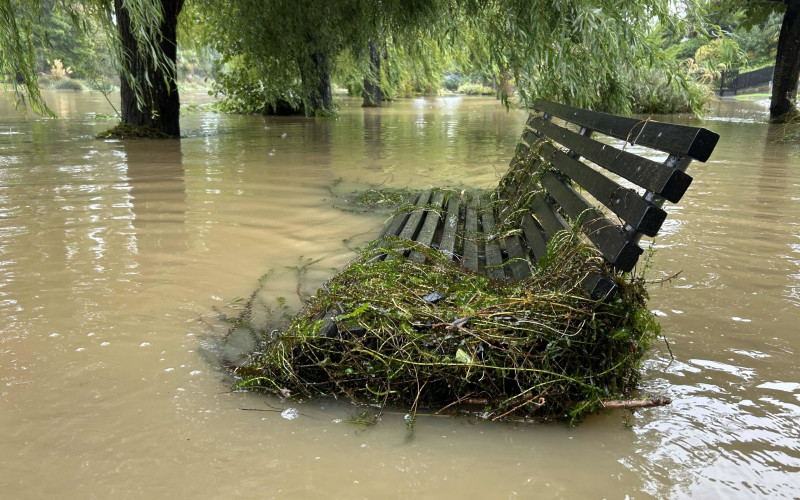
For those in the Northeast, including major cities like Philadelphia, the latest Philadelphia weather latest news today suggests a different kind of winter than usual. The region is likely to see milder temperatures and more rain than snow, a stark contrast to the typical winter weather. Gone. The usual snowstorms may be replaced with heavy rainfall, leading to potential flooding concerns.
“El Niño is likely to persist through January-February-March 2027, making it the major influence on temperatures and precipitation patterns this winter and into next spring”
Regional Impacts and What to Expect
For those living in the southern U.S., the winter will bring a mix of rain and snow, with the potential for significant snowfall in regions that typically see less. The new outlook is reshaping expectations for winter sports enthusiasts and those planning winter activities. Snow lovers in the northern Rockies and Great Lakes may need to look elsewhere for their winter fun.
In the Pacific Northwest, the NOAA El Niño forecast indicates a wetter-than-average winter, which could lead to increased flooding risks and heavier vegetation growth.
NOAA’s NOAA El Niño forecast is providing a clearer picture of what the upcoming winter months will bring, and the impacts are already being felt. Farmers, homeowners, and travelers are all preparing for a winter that's sure to be different from what they've experienced in recent years.
Nationwide, the anticipated weather patterns could have significant impacts on agriculture, water resources, and energy consumption.
But what about the long-term implications? The current El Niño is expected to persist through the winter, but its effects will linger well into the spring. The question remains: how will this influence the broader climate patterns and what changes might we see in the coming years? Nobody saw this coming.
How does this story make you feel?
 Up next · ScienceFiona the Hippo's Tragic Passing: A Loss for the Cincinnati Zoo