NSA's Classified Network Faces Major Disruption: Agency in Chaos
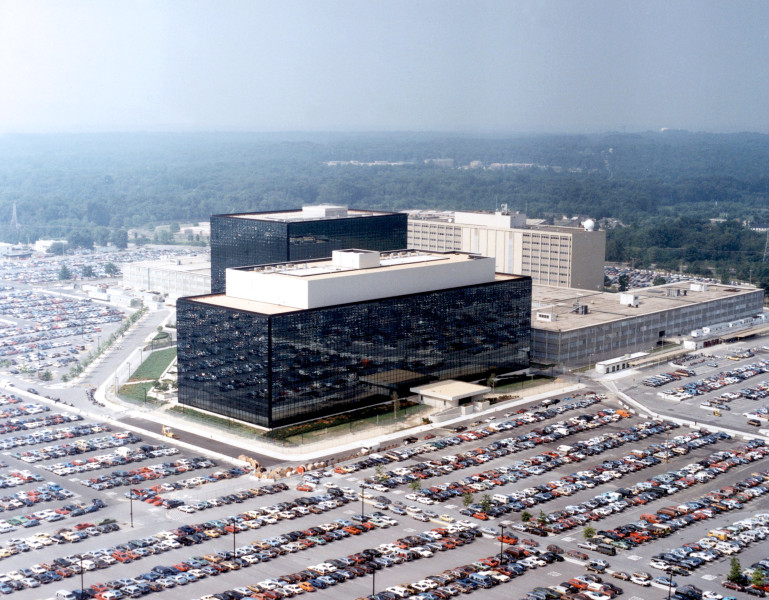
The National Security Agency (NSA) is facing a critical challenge. Its classified internal communications network, a backbone of the agency's operations, has gone down, leaving analysts in a state of unprecedented turmoil. The disruptions began in recent times, leaving employees scrambling for solutions. The network, known as NSANet, is a highly classified system used for internal communications, and its downtime has caused significant delays and confusion.
What is the NSA and Why Does Their Network Matter?
The National Security Agency (NSA) is a premier intelligence agency within the United States Department of Defense. Its core mission revolves around gathering and analyzing foreign intelligence and safeguarding U.S. communications and information systems. The agency plays a pivotal role in national security, particularly in the realm of cybersecurity. The NSA's internal communications network, NSANet, is critical for its day-to-day operations, facilitating secure and rapid information exchange among analysts and officials. The recent outage of this network has not only halted routine operations but also raised concerns about the agency's ability to respond to urgent security threats.
How Did the Outage Occur, and What Are the Implications?
The exact cause of the outage remains under investigation, with some sources indicating it could be due to a routine maintenance update. However, officials have ruled out a cyberattack as the cause of the disruption, offering some relief amidst the chaos. The maintenance, which was scheduled, led to temporary degradation in the network's performance, causing significant disruptions within the agency. Analysts have been forced to work in limited capacity, relying on alternative communication methods that are far less secure and efficient than NSANet.
The implications of this outage are vast. The NSA's primary function is to protect national security by intercepting and analyzing communications. Any disruption in their internal network could potentially hamper their ability to detect and respond to threats in real-time. The outage has also highlighted the agency's reliance on a single, highly classified network, raising questions about redundancy and contingency planning. While the NSA has contingency protocols in place, the current situation underscores the need for more robust and resilient systems to ensure continuous operations.
The Human Impact: Analysts and Officials in Limbo
The outage has not just affected the technical infrastructure; it has had a profound impact on the human side of the NSA's operations. In the fluorescent glare of the briefing room, analysts who typically work with state-of-the-art tools are now forced to rely on less sophisticated methods. The hum of phones buzzing in pockets has been replaced by a tense silence, as employees anxiously await updates. The disruption has forced many to rearrange their schedules, with some even working remotely to maintain some semblance of normalcy. The agency's spokesperson has reassured employees and the public that the situation is under control, but the uncertainty remains palpable.
The frustrations are evident, especially among those tasked with real-time intelligence analysis. In a typical day, they would rely on NSANet to share critical information with colleagues and superiors. Now, they face the daunting task of navigating a maze of temporary solutions, all while trying to keep up with the ever-changing landscape of national security. The outage has forced the NSA to adapt quickly, but the long-term effects on morale and operational efficiency remain to be seen.
The NSA's internal communications network, NSANet, is crucial for the agency's operations. Its recent outage has left analysts in a state of chaos, highlighting the need for more robust and resilient systems to ensure continuous operations. The situation underscores the challenges faced by the NSA in maintaining its critical mission amidst technical disruptions, and the impact on the agency's ability to protect national security. What long-term measures will the NSA implement to prevent such disruptions in the future?
How does this story make you feel?
 Up next · PoliticsDemocrat Mary Peltola's Historic Victory in Alaska Senate Election Redefines Political Landscape