JPMorgan Chase Hit by Cyberattack for the Second Time in Recent Times
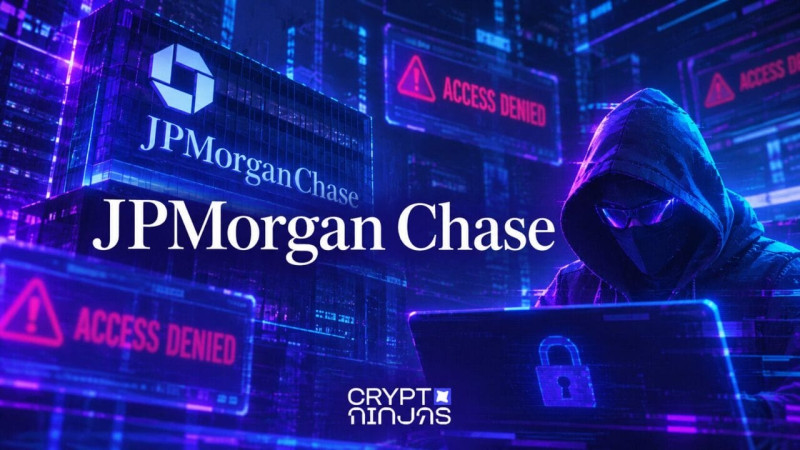
JPMorgan Chase, one of the largest financial institutions in the world, is grappling with another cyberattack. The recent breach has exposed sensitive data of thousands of customers, raising critical questions about the security of third-party vendors and the broader implications for digital banking practices.
Surfacing of Massive Data Leakage by Hackers
Recently, a cyber extortion group claimed responsibility for attacks on JPMorgan Chase, Visa, and Mastercard, targeting their third-party service providers. The data leak involved more than 16,000 purported JPMorgan customer email addresses, sparking widespread concerns over the safety of personal information shared with external vendors. This incident is a stark reminder of the vulnerability of even the most robust financial systems to sophisticated cyber threats.
According to available reports, the stolen data included account holder names and email addresses, exposing sensitive information to potential misuse. The attack highlights the risks associated with relying on third-party vendors for sensitive data, a practice that, while efficient, can introduce significant security vulnerabilities.
It is essential to note that these data breaches are not isolated incidents. JPMorgan Chase has faced similar cyber threats in the past, most notably in a 2014 attack that compromised the personal information of 76 million households and 7 million small businesses. The persistence of such attacks underscores the ongoing challenge of cybersecurity in the financial sector, where millions of transactions and sensitive data are processed daily.
JPMorgan's Response and Broader Implications
In response to the recent cyberattack, JPMorgan Chase has acknowledged the breach and assured customers that it is taking necessary steps to mitigate the damage. The bank has stated that it is investigating the incident and has notified customers whose information may have been compromised. The company has also emphasized that no evidence links the recent service outage to the cyberattack, which was caused by a software bug.
However, the data is damning. The incident has raised questions about the effectiveness of JPMorgan's cybersecurity measures and the vulnerabilities in its third-party vendor relationships. The bank's reliance on external service providers, while beneficial for operational efficiency, has become a weak link in its security defenses. Let's not kid ourselves, the attack is a wake-up call for the financial industry to reassess its cybersecurity strategies and strengthen its defenses against increasingly sophisticated threats.
Cybersecurity in the Financial Sector: A Critical Examination
One counter-argument to the growing emphasis on cybersecurity is the cost. Enhanced security measures can be expensive, potentially impacting the profitability of financial institutions. However, the cost of a data breach—both in financial terms and damage to reputation—far outweighs the investment in robust cybersecurity. The financial sector must prioritize the protection of customer data, even if it means higher operational costs.
The recent cyberattacks on JPMorgan Chase, Visa, and Mastercard underscore the need for a more comprehensive and coordinated approach to cybersecurity in the financial sector. Financial institutions must collaborate with third-party vendors to implement stricter security protocols and regularly audit their systems for vulnerabilities. The industry must also invest in advanced technologies, such as artificial intelligence and machine learning, to detect and prevent cyber threats in real-time.
The attack also highlights the need for better data governance and compliance frameworks. Financial institutions must ensure that they are complying with regulations and best practices for data protection. This includes regular audits, employee training, and the implementation of robust data encryption and access control measures. This will make it harder for hackers to access and exploit sensitive data.
For those who are closely monitoring the situation, it is important to note that the impact of this recent cyberattack on JPMorgan Chase is still unfolding. While the bank has assured customers that it is taking steps to mitigate the damage, the long-term implications of the data breach remain uncertain. The financial sector, already under intense scrutiny for cybersecurity lapses, must now address this latest incident and take decisive action to bolster its defenses against future attacks. The data is damning, and the stakes are high. The time for action is now, and the world is watching.
How does this story make you feel?
 Up next · TechGTA 6: The Hype Train Has Finally Arrived