Russian Navy's Merkury Corvette Engulfed in Intense Fire at Benghazi Naval Base
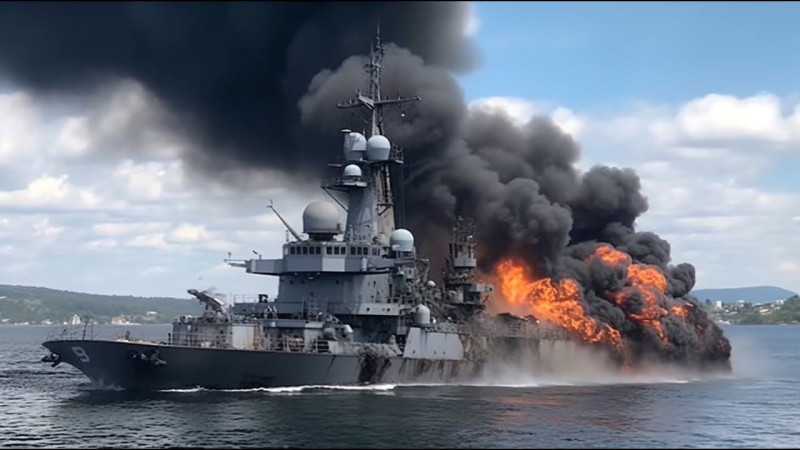
The Mediterranean port of Benghazi has erupted into chaos following a recent fire engulfing the Russian Navy's corvette, the Merkury, at the local naval base. The incident, which took place in recent times, has drawn significant international attention, raising questions about the security of Russian naval operations in the region and the potential involvement of external actors. The Russian Navy has a major presence in Libya, a country split by civil war and where various factions vie for control, making the Merkury's fate a focal point of broader geopolitical tensions.
The Merkury Corvette: A Costly Loss for Russia
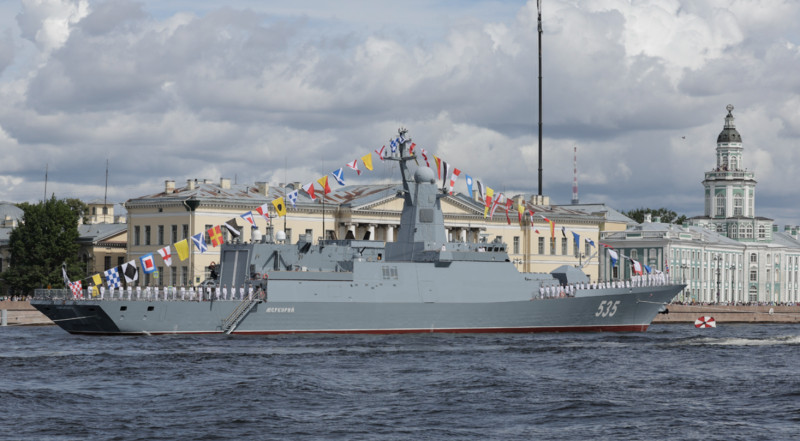
The Russian warship Merkury, a Steregushchiy-class corvette, is assessed to be almost certainly destroyed. The vessel, valued at approximately $200 million, was commissioned in 2023. It played a crucial role in escorting cargo ships through the Mediterranean, a critical lifeline for Russian maritime operations in the region. The corvette, smaller than a frigate but still a formidable asset, was reportedly refueling at the time of the explosion, which adds to the mystery surrounding the incident.
The loss of the Merkury is a significant blow to Russia's naval capabilities in the Mediterranean. The vessel was part of a broader strategy to enhance Moscow's influence in the region, a strategy that has now been disrupted by the fire and subsequent destruction.
Drone Strike or Internal Sabotage?
The exact cause of the explosion remains a subject of intense speculation. Libyan authorities have suggested that a sea drone strike might have been responsible for the attack on the Russian vessel. Ukrainian sources have claimed that their SBU security service was behind the drone strike, asserting it as a retaliation for Russian military activity in Ukraine. This version of events has not been confirmed, but it aligns with a pattern of drone attacks seen in other theaters of conflict, such as the Ukraine-Russia war.
On the other hand, some analysts have raised the possibility of internal sabotage. The corvette was docked at a naval base, raising questions about potential vulnerabilities in the facility's security measures. The fire that engulfed the vessel could have been triggered by an inside job, though this hypothesis remains speculative.
Let's not kid ourselves, the reality might be much more complex. The data is damning, and the narrative shifts depending on the source. The destruction of the Merkury serves as a stark reminder of the fragility of naval assets in conflict zones. Here’s what nobody’s asking: How secure are other Russian naval vessels operating in similarly volatile regions?
Geopolitical Implications and Future of Naval Operations
Regardless of the cause, the destruction of the Merkury has far-reaching implications for Russia's naval strategy in the Mediterranean. The loss of such a vessel is a significant setback, potentially altering the balance of power in the region. The incident also underscores the vulnerability of naval assets to modern threats, particularly in areas where control is contested.
The Merkury's destruction comes at a time when Russian naval operations in the Mediterranean are already under scrutiny. The region, a critical maritime route, has seen increased activity from various naval forces, each with its own strategic interests. The loss of the corvette may compel Russia to reassess its approach to maritime security, potentially leading to enhanced protective measures and heightened vigilance.
Moreover, the incident could influence the dynamics of the ongoing conflict in Libya. The country, already divided, may see a shift in power dynamics as various factions respond to the loss of the Russian vessel. The international community will be closely watching how this incident unfolds, as it could have broader implications for regional stability and security.
It is not yet clear whether the Merkury sank at the pier or burned out at its berth, but the implications are the same. The destruction of this vessel is a stark reminder of the challenges faced by naval forces operating in conflict zones. As the world watches, Russia will need to decide how to move forward in the wake of this devastating loss.
In the words of a naval analyst, the destruction of the Merkury is a "wake-up call" for naval forces worldwide, highlighting the need for enhanced security measures and a proactive approach to emerging threats.
In the grand tapestry of naval history, the Merkury fire in Benghazi stands out as a modern-day echo of the 1967 USS Forrestal disaster, where a series of explosions and fires ravaged the aircraft carrier while docked in the Mediterranean. Both incidents serve as sobering reminders of the ever-present risks faced by naval forces and the critical importance of vigilance in maintaining maritime security.
How does this story make you feel?
 Up next · WorldBigfoot Files: Government Documents Fuel New Debate