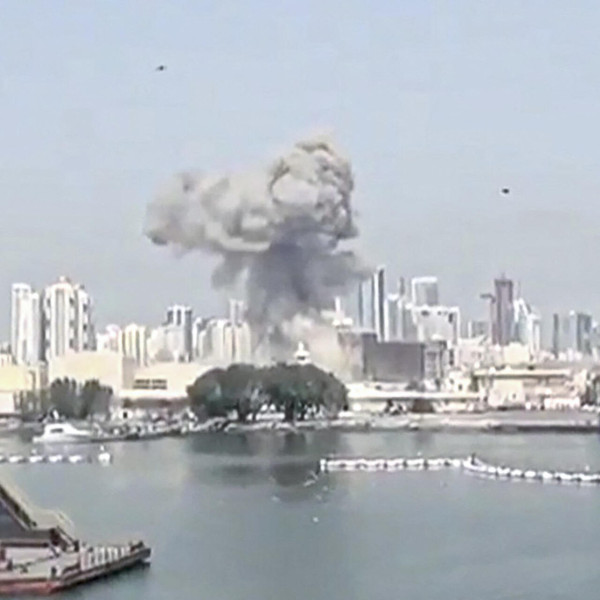
Iranian Drone Attack Kills Two Italians in Kuwait: Escalation in Middle East Tensions
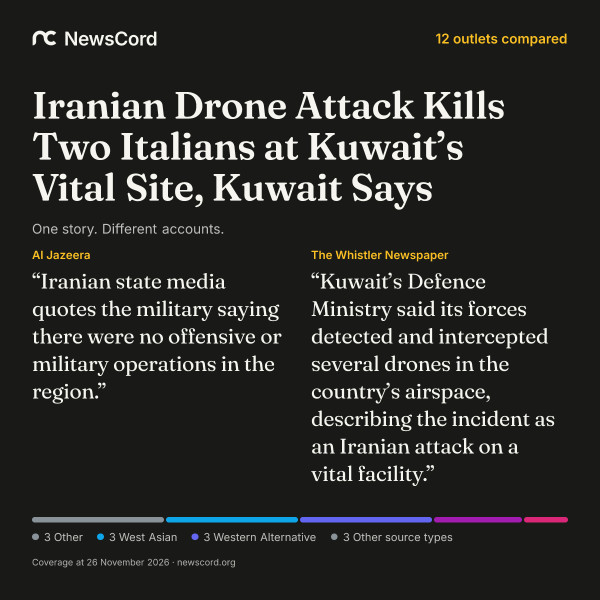
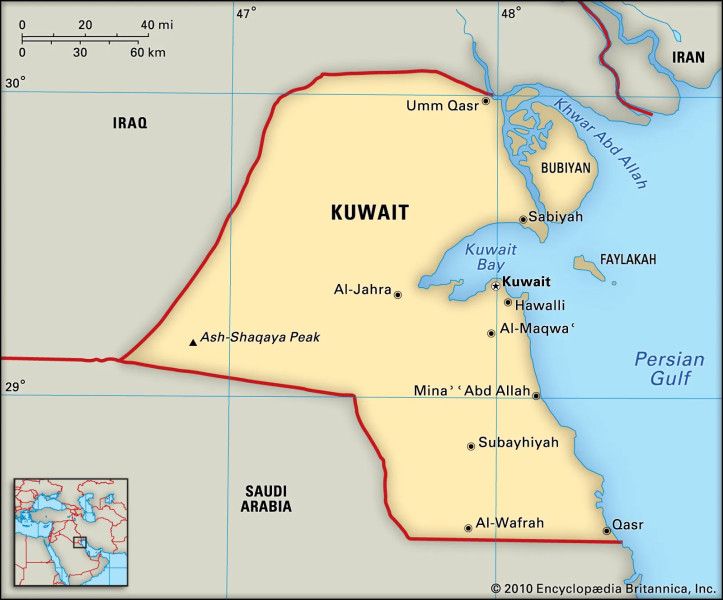
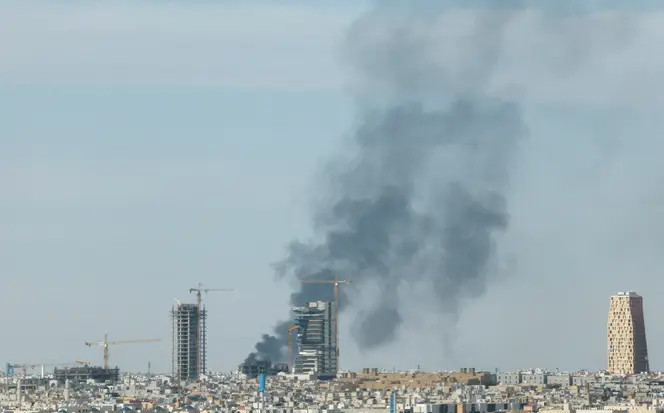
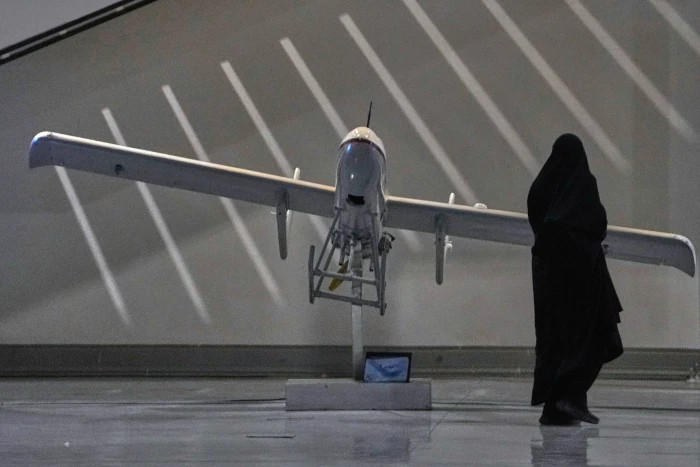
The Middle East is once again in the throes of turmoil as an Iranian drone attack on Kuwait claimed the lives of two Italian nationals and injured a Kuwaiti and a Pakistani citizen. The attack, which targeted vital sites in Kuwait, has sparked international condemnation and raised concerns about the escalating tensions between Iran and its regional allies. According to Kuwait's foreign ministry, the attack underscores the direct threat posed by Iran’s continued aggression in the region.
Background: Recent Escalations in Iranian Aggression
The attack on Kuwait is the latest in a series of escalations between Iran and U.S. allies in the region. Recently, Iran retaliated against U.S. strikes on Iranian targets, launching a barrage of missiles and drones. The strikes highlighted the ongoing diplomatic efforts to end a conflict that has destabilized the Middle East. Iran's actions, according to officials, were a response to American strikes on Iranian targets, including Qeshm Island in the Strait of Hormuz, a critical waterway for global oil supplies.
In the aftermath of the recent Iranian attacks, Kuwait has faced a barrage of drone and missile strikes, with air defenses intercepting multiple threats. The situation has left the international community on edge, as Kuwait's foreign ministry strongly condemned the aggression, calling it a direct threat to regional stability. The attack has also drawn condemnation from Italy, which expressed its solidarity with Kuwait and called for an immediate end to the violence.
"Iran's continued aggression in the region is a clear violation of international law and a direct threat to the security of our allies," said a spokesperson for the Italian government, emphasizing the need for a unified international response to Tehran's actions.
International Reactions and Diplomatic Efforts
The Iranian drone attack on Kuwait has sparked a flurry of diplomatic activity, with various countries and international organizations calling for restraint and dialogue. Iran, however, has denied responsibility for the attack, accusing the U.S. and its allies of provoking the conflict.
The U.S. has also been actively involved in the region, with recent strikes on Iranian targets and the deployment of fighter jets to intercept hostile drones. The U.S. naval blockade in the region has further complicated the situation, as stalled negotiations and rising tensions threaten to reignite a broader conflict. The U.S. naval blockade and stalled negotiations have exacerbated the situation, with Bahrain also experiencing a series of Iranian aerial attacks in recent times. This escalation has left the international community on edge, as Kuwait's foreign ministry strongly condemned the aggression, calling it a direct threat to regional stability.
The attack on Kuwait has also drawn attention to the broader geopolitical dynamics in the Middle East, as tensions between Iran and its regional allies continue to rise. The attack has highlighted the challenges faced by diplomatic efforts to end the conflict, as the situation remains volatile and unpredictable. The attack has also drawn attention to the broader geopolitical dynamics in the Middle East, as tensions between Iran and its regional allies continue to rise.
As the situation in the Middle East continues to unfold, the international community remains vigilant, monitoring the escalating tensions and calling for a peaceful resolution to the conflict. The attack on Kuwait has underscored the need for a united front against Iranian aggression, as regional stability hangs in the balance.
How does this story make you feel?
 Up next · WorldVirginia Beach Pier Collapses Amid Powerful Thanksgiving Storm