Supreme Court’s Surprise Move on Humanitarian Parole—Who’s Affected Now?
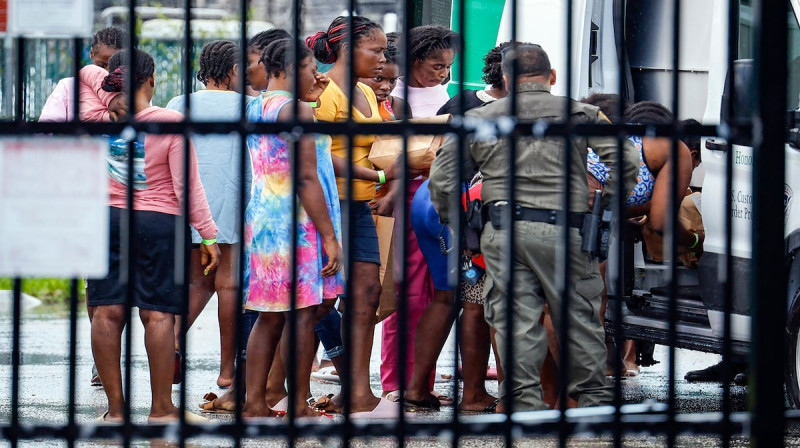
The Supreme Court has cleared the way for the Trump administration to immediately end humanitarian parole protections for more than 500,000 immigrants from Cuba, Haiti, Nicaragua, and Venezuela, reversing a lower court order that had kept these temporary legal statuses in place This decision exposes nearly one million people to possible deportation, as the administration also moves to revoke protections for an additional 350,000 Venezuelan migrants in a separate case.
The court’s brief, unsigned order did not provide an explanation for its decision and came after a federal judge in Boston had blocked the administration’s attempt to terminate the program, arguing that such a sweeping move was likely illegal without case-by-case review The Biden-era humanitarian parole programs had allowed migrants from these four countries to live and work legally in the U.S., but the Supreme Court’s ruling now enables the administration to begin mass cancellations and deportations.
Justices Ketanji Brown Jackson and Sonia Sotomayor dissented, warning of “devastating consequences” and “needless human suffering” as hundreds of thousands of migrants—many with deep ties to American communities—face sudden loss of legal status while their legal challenges remain unresolved The Department of Homeland Security has not yet commented on the immediate next steps, but the decision is expected to have swift and far-reaching effects for families, employers, and communities nationwide.
How does this story make you feel?
 Up nextKevin O’Leary, Alan Garber, and Laurence Tribe: What’s Really Happening at Harvard?