Topics
Moon
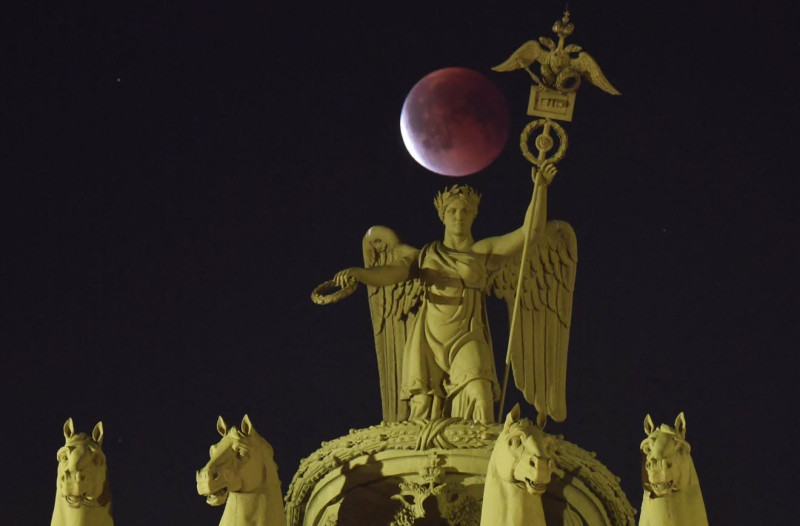
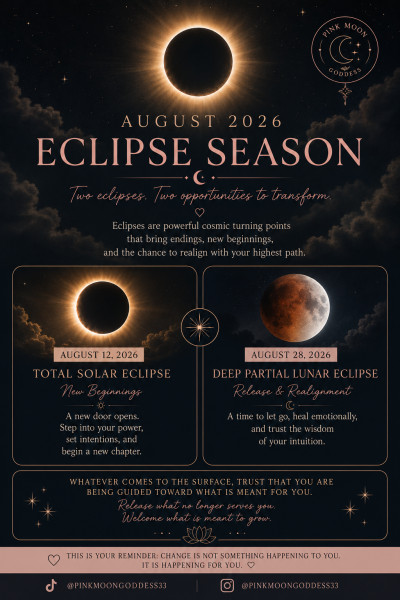
In this context, the Moon refers to Earth's natural satellite, which recently experienced a total lunar eclipse on August 28, 2026, turning a reddish hue as Earth's shadow obscured its surface. This event followed a deep partial lunar eclipse that covered 96.3% of the Moon's disk, visible to observers across Africa, Europe, and the Americas.
What to know
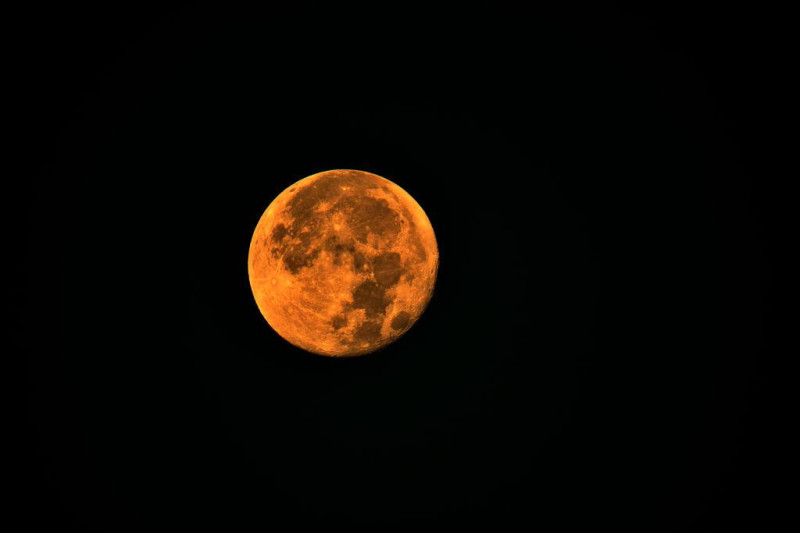
- The moon’s orange hue is caused by atmospheric scattering when it is low in the sky. Oct 27
- Shorter blue and green wavelengths are scattered, allowing longer red and orange wavelengths to pass. Oct 27
- The moon took on a reddish hue during a total lunar eclipse as Earth positioned itself between the Sun and the Moon. Aug 28
- The red color resulted from Earth's atmosphere scattering sunlight, allowing red wavelengths to reach the moon's surface. Aug 28
- The Earth will pass between the sun and moon, creating a total lunar eclipse. Aug 28
Timeline
- Oct 27, 2026
- Aug 28, 2026
- Aug 28, 2026
- Aug 27, 2026
- Aug 26, 2026
- Aug 26, 2026
- Jun 3, 2025