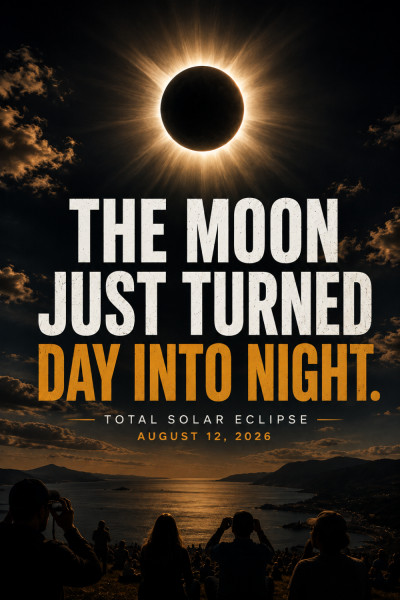
Total lunar eclipse turns moon blood red tonight
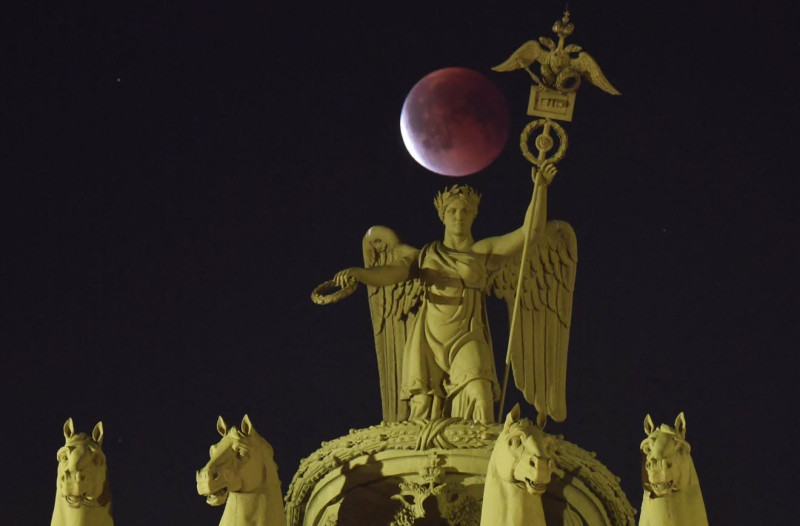
A total lunar eclipse will darken the moon and give it a reddish hue this evening, offering a striking visual for astronomers and the public alike.
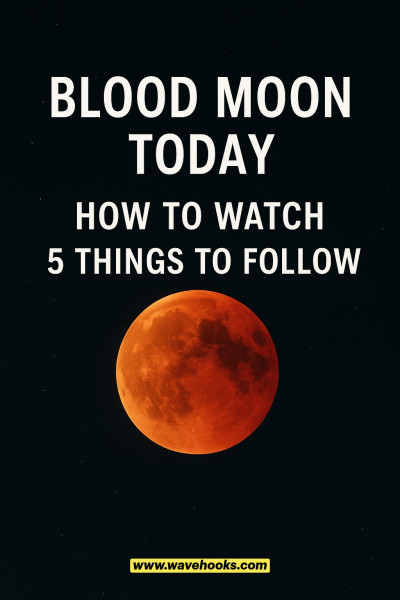
Key points
- The Earth will pass between the sun and moon, creating a total lunar eclipse.
- During totality the moon will appear red due to Rayleigh scattering of sunlight.
- Partial and penumbral phases will begin around sunset, with timing varying by location.
- Dr. Amelia Hart notes the event’s cultural significance across many traditions.
The night sky tonight holds a rare and breathtaking sight: a total lunar eclipse that will transform the moon into a blood moon. Astronomers and stargazers alike are gearing up for this celestial event, which promises to be a stunning display of nature's grandeur. The lunar eclipse tonight is not just an astronomical phenomenon; it's a moment that captures the imagination and draws people out of their homes to gaze upward in wonder.
The Science Behind the Blood Moon
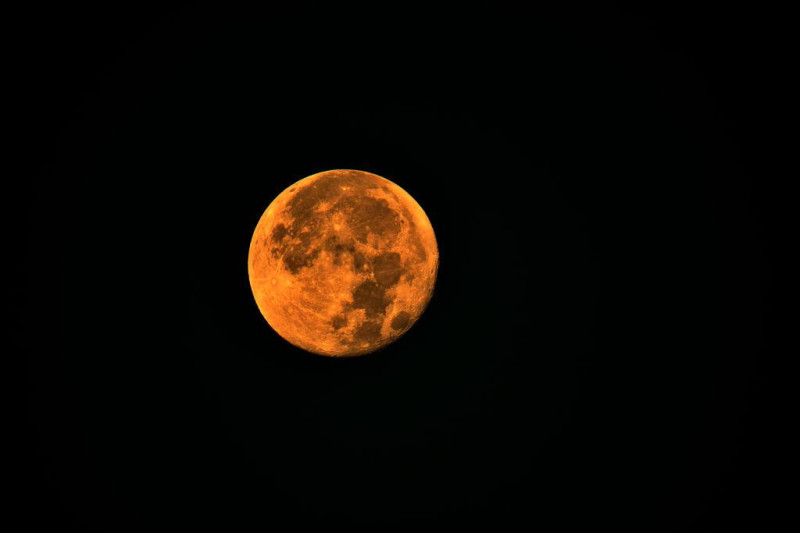
A blood moon occurs during a total lunar eclipse, when the Earth comes between the sun and the moon, casting a shadow over the lunar surface. During this alignment, the moon takes on a reddish hue due to the scattering of sunlight by Earth's atmosphere. This effect is known as Rayleigh scattering, where the shorter blue and green wavelengths are scattered more widely, leaving the longer red wavelengths to reach the moon's surface.
Witnessing the Blood Moon: A Timeline
For those eager to witness the lunar eclipse tonight, the event will unfold in several distinct phases. The partial eclipse begins when the moon first enters the Earth's umbra, the darker part of its shadow. This phase will gradually deepen as more of the moon is covered, leading to the total eclipse, when the moon is fully immersed in the umbra. The duration of the totality, when the moon appears as a blood moon, varies but is expected to last for several hours. The exact timings will depend on your geographic location, so be sure to check local astronomical resources for precise details.
As the moon ascends in the night sky, the first signs of the eclipse will become visible around sunset, when the moon begins to enter the penumbra, the outer part of Earth's shadow. This phase may not be as dramatic as the total eclipse, but it is an essential part of the overall experience. The penumbral phase gradually gives way to the partial eclipse, as the moon's bright surface begins to be obscured by the umbra. Astronomers recommend beginning your observation during this phase to fully appreciate the transition.
Cultural and Symbolic Significance of the Blood Moon
The blood moon has long held significant cultural and symbolic meaning across various civilizations. For many indigenous cultures, the lunar eclipse is seen as a time of reflection and renewal. In some Native American traditions, the blood moon is associated with purification and the cleansing of negative energies. Similarly, ancient Mesopotamian texts describe the lunar eclipse as a time when the gods were believed to battle and restore balance to the cosmos. This celestial event has inspired countless myths, legends, and spiritual practices that continue to resonate with people today.
“The Blood Moon is a reminder of the interconnectedness of all things in the universe. It symbolizes the cycle of life, death, and rebirth,” said Dr. Amelia Hart, a renowned astronomer and cultural anthropologist.
Dr. Amelia Hart, Astronomer and Cultural Anthropologist
The lunar eclipse tonight is not just a scientific phenomenon; it is a shared cultural experience that transcends borders and time. People from all walks of life will gather to watch the sky, united by a common fascination with the cosmos. Whether you're a seasoned astronomer or a casual stargazer, the sight of the blood moon is sure to leave a lasting impression.
The timing of the lunar eclipse tonight makes it accessible to a wide audience, with the main event occurring during the evening hours when many people are available to step outside and observe. This accessibility has made the blood moon a popular subject for public engagement in astronomy, encouraging communities to come together and share in the wonder of the night sky. As this celestial event unfolds, it serves as a reminder of the beauty and mystery that lies beyond our world, inviting us to look up and appreciate the vastness of the universe.
For those who miss the lunar eclipse tonight, the next opportunity to witness a blood moon will be in the near future, as astronomical events like these are relatively frequent but always thrilling. Keep an eye on the skies and stay informed about upcoming celestial events, as they offer a unique chance to connect with the cosmos and marvel at the wonders of our universe.
As the moon begins its transformation into a blood moon this evening, the night sky will be the stage for a celestial performance that has captivated humanity for millennia. Whether you’re an amateur astronomer or simply someone who appreciates the beauty of the night, the lunar eclipse tonight promises to be an unforgettable experience.
Your questions, answered
When does the blood moon eclipse start tonight?
The penumbral phase begins around sunset, followed by partial and then total eclipse later in the evening.
Why does the moon look red during a total lunar eclipse?
Earth’s atmosphere scatters shorter blue wavelengths, allowing longer red wavelengths to reach the moon.
Quick poll
Will you watch the blood moon eclipse tonight?
0 votes
How does this story make you feel?
Topics
 Up next · ScienceTotal lunar eclipse turns moon red for global observers