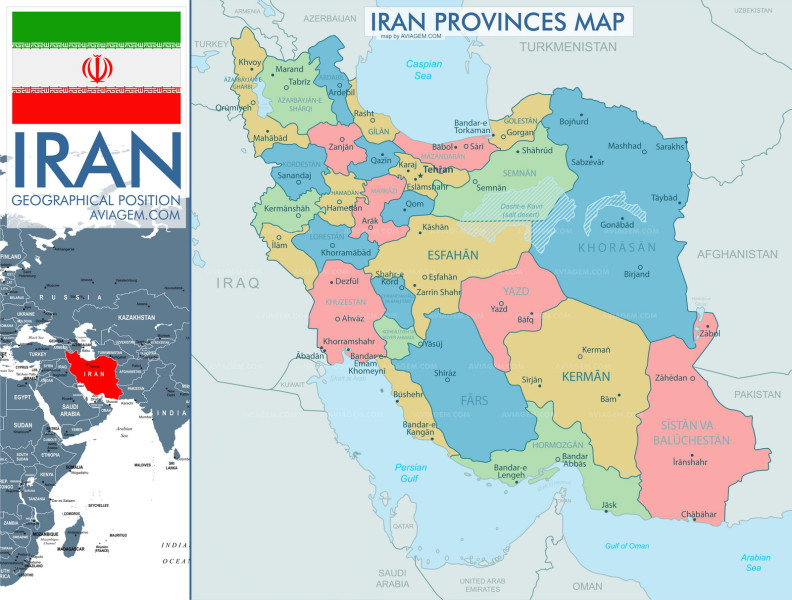
Iran is currently experiencing a wave of massive protests across the country, with the capital, Tehran, at the epicenter. The unrest, which began in late December 2025, initially focused on economic issues but has evolved into a full-blown anti-government movement. Protesters have been heard chanting slogans that directly challenge the foundations of the Islamic Republic and have even called for the overthrow of Supreme Leader Ayatollah Ali Khamenei. The situation is tense, with buildings set on fire and a complete internet shutdown implemented by the regime.
The protests have been sparked by the economic crisis gripping Iran, with the collapse of the national currency acting as a catalyst for widespread discontent. The demonstrations have since grown into a broader anti-establishment movement, with many calling for significant political change. The Iranian government has responded with a severe internet and phone blackout, aiming to curb the spread of information and organization among protestors.
One of the most notable aspects of these protests is the call for the return of the monarchy under the leadership of Reza Pahlavi, the exiled Crown Prince. This call has been met with enthusiasm by some protesters, who see Pahlavi as a symbol of resistance against the current regime. Pahlavi's influence has been evident in the streets, with many protesters invoking his name and calling for a restoration of the monarchy. The current protests are seen as a test of Pahlavi's appeal and his ability to galvanize the Iranian public.
The protests have seen a variety of slogans being chanted, including "death to the dictator" and "death to the Islamic Republic," reflecting the deep-seated anger and frustration among the protesters. The intensity of the protests has led to widespread unrest, with reports of fires and clashes in the streets. The government's response, including the internet blackout, has only served to fuel the protesters' resolve, with many seeing the shutdown as a sign of the regime's desperation and weakness.
The role of Crown Prince Reza Pahlavi in these protests has been significant, with the exiled prince calling on Iranians to seize the momentum of the protests and push for change. Some analysts believe that this moment could prove to be a tipping point in the ongoing struggle between the Iranian people and the regime. The protests represent a significant test of the regime's ability to maintain control in the face of widespread public discontent. The future of these protests remains uncertain, but one thing is clear: the Iranian people are demanding change, and they are not afraid to voice their grievances.