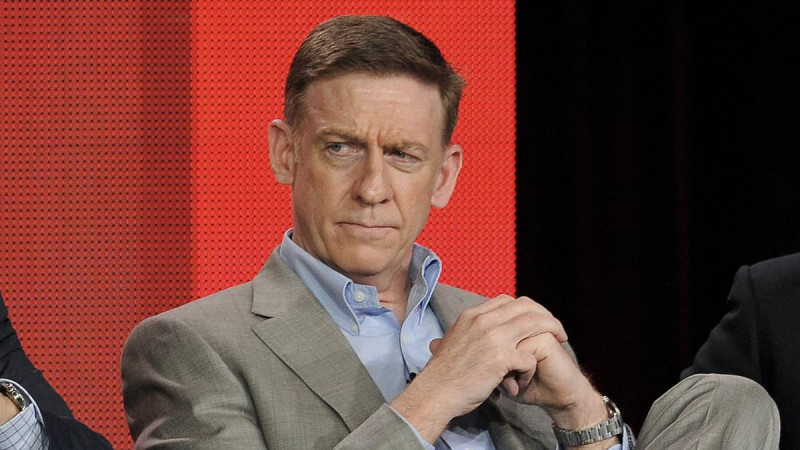
In the heart of northwest Georgia, a political showdown unfolds as voters decide the future of the 14th congressional district in a runoff election. The Georgia runoff election 2026 pits Democrat Shawn Harris against Republican Clay Fuller in a race that has captured national attention, especially in light of the district's conservative leanings and the resignation of former Rep. Marjorie Taylor Greene.
The Runoff Candidates: Shawn Harris vs. Clay Fuller
Shawn Harris, a Democrat and retired Army general, is making a strong bid to flip the heavily Republican district. Harris, a farmer and military veteran, has managed to garner significant support, partly due to the split Republican vote in the previous election. His campaign has focused on addressing rural issues such as healthcare, agriculture, and economic development, which resonate deeply with the district's constituents.
Clayton Fuller, the Republican candidate, is a district attorney and a staunch ally of former President Donald Trump. His campaign has centered around conservative values, strong law enforcement, and opposition to Democratic policies. Fuller's background in law enforcement has been a key selling point, especially in a district known for its conservative leanings.
Holding a recent debate, Fuller criticized his opponent's policies and advocated for stricter border control and lower taxes. Harris, on the other hand, highlighted his experience and vision for a more inclusive Georgia.
Harris' strategy of emphasizing bipartisan issues and focusing on rural concerns has proven effective, as he managed to edge Fuller by about 2 percentage points in the initial runoff election. However, Fuller's strong conservative base and his allyship with the former president have kept the race tight.
The Geography and Demographics of the 14th District
The 14th congressional district encompasses a large rural area in northwest Georgia, known for its conservative values and strong Republican leanings. The district's demographics are predominantly white, with a significant rural population. The area has historically been a stronghold for Republican candidates, making the runoff election even more intriguing. The district's economic landscape is dominated by agriculture, manufacturing, and small businesses, making economic policies a critical factor in the election.
In a district that has historically leaned conservative, the runoff election between Clay Fuller and Shawn Harris showcases the growing influence of rural voters and the importance of bipartisan policies.
One notable aspect of this election is the role of the Republican vote split, which allowed the Democrat Harris to gain a significant lead. In the initial election, the Republican vote was divided among a dozen candidates, which gave Harris a slight edge. While Clayton Fuller has the support of Trump and the conservative base, Harris' bipartisan efforts have proven to be a game-changer. The runoff election has become a test of whether bipartisan policies can win in a traditionally conservative district.
Campaign Strategies and Key Issues
The runoff election has highlighted the importance of key issues such as healthcare, agriculture, and economic development, with both candidates crafting their campaigns around these areas. Harris' focus on bipartisan policies has been a significant draw for voters, while Fuller's strong conservative stance has resonated with the district's traditional Republican base.
As the results come in, the question remains: will the Georgia runoff election 2026 see a historic victory for Shawn Harris, or will Clay Fuller maintain the district's conservative stronghold? The election is more than just a local race; it is a critical bellwether for the future of American politics, showcasing the evolving dynamics of rural voters and the power of bipartisan policies in traditionally conservative districts.
The high-stakes runoff election has drawn national attention, with pundits and analysts closely monitoring the results. As voters cast their ballots, the fate of the 14th congressional district hangs in the balance, and the nation watches to see which candidate will emerge victorious. Will Shawn Harris' bipartisan appeal win the day, or will the conservative base rally behind Clay Fuller? The results of this election will undoubtedly have far-reaching implications for the future of American politics, particularly in rural and conservative districts.