The fluorescent glare of the briefing room in Riyadh heated up as Saudi Arabia's Ministry of Foreign Affairs released its latest statement. In the hum of phones buzzing in pockets, Saudi Arabia has once again found itself at the center of a geopolitical storm, this time as tensions in the Strait of Hormuz escalate. The Gulf Cooperation Council (GCC) is on high alert as Saudi Arabia, along with Qatar, Jordan, and Kuwait, condemned an Iranian attack on the UAE.
Saudi Arabia's Strategic Position in the Strait of Hormuz Crisis
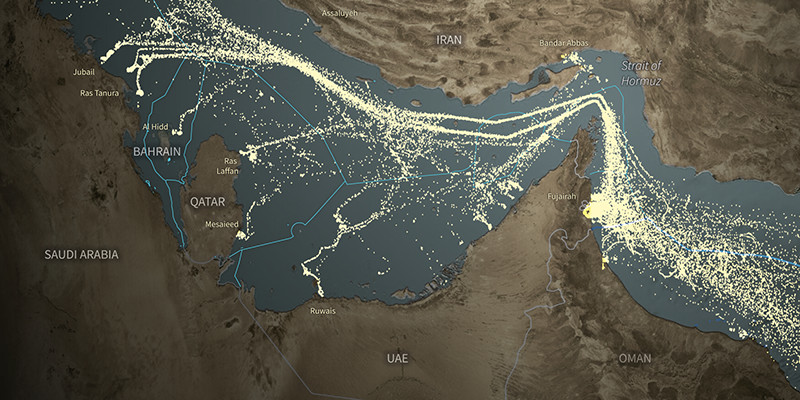
Saudi Arabia's strategic importance is impossible to overstate. The Strait of Hormuz is the world’s most crucial maritime chokepoint, a narrow stretch of water where about 20 percent of the world’s oil passes through — and Iran has turned it into a battleground. The latest flare-up involves Iran's first attack on a Persian Gulf neighbor in almost a month, prompting a U.S. operation to guide tankers through the strait. The stakes are especially high for Saudi Arabia, which exports most of its crude oil through the strait.
President Donald Trump's announcement to temporarily halt Project Freedom in the Strait of Hormuz added another layer of complexity to this situation. Trump cited "great progress" toward a final agreement with Iran as the reason for the pause, but the move has left Saudi Arabia and other Gulf nations wondering about the future of their energy security.
Saudi Arabia’s responses to Iran’s aggressive actions have been swift and clear. Along with other GCC nations, Saudi Arabia has called for a return to the negotiating table, echoing the sentiments of world leaders from Canada to Saudi Arabia.
Iran’s New Maritime Regime and Its Implications for Saudi Arabia
Iran has introduced a new transit control mechanism in the Strait of Hormuz, requiring vessels to obtain prior authorization before passing through. This move has raised alarms in Riyadh, as it could disrupt the free flow of oil and other goods through the strait.
With the blockade of the Strait of Hormuz, Iran has effectively put a chokehold on global energy security. This comes at a time when the US-Israel war with Iran has intensified, with Tehran making good on its longstanding promise to close the strait if attacked.
Saudi Arabia’s response to this new maritime regime has been cautious, balancing the need to maintain its strategic interests with the broader geopolitical landscape. The GCC, along with the European Union, has been vocal in condemning Iran’s actions. The next steps for Saudi Arabia will depend on how the ceasefire negotiations unfold, and whether Iran will respect the terms of the ceasefire which guarantees "safe passage" through the Strait of Hormuz.
The situation remains fluid, with Iran continuing its attacks and the US responding with military action, such as a jet firing on an Iranian ship as part of the blockade. Saudi Arabia, as a key player in the region, will be closely watching these developments, knowing that the security of the Strait of Hormuz is vital not only to its own economic interests but to global energy security.
As Saudi Arabia navigates these uncertain waters, the world watches, waiting for the next move in this complex geopolitical chess match — a chess match that could have profound implications for the future of Saudi Arabia and the broader Middle East.