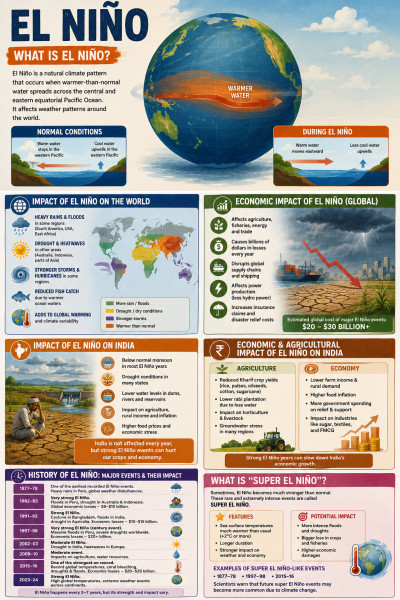
Super El Niño 2026: The Climate Shift Poised to Reshape Global Weather
In the fluorescent glare of the briefing room, the hum of phones buzzing in pockets is barely noticeable. The room is filled with scientists and meteorologists, eyes glued to the latest forecast maps. The World Meteorological Organization (WMO) has just released its latest bulletin: a Super El Niño is expected to develop by mid-2026, with potential global impacts on rainfall and temperatures that could last from summer through winter. This isn't just another El Niño; it's a monster event that could rewrite the weather books, affecting everything from hurricane activity to crop failures and wildfires.
The Rise of the Super El Niño Phenomenon
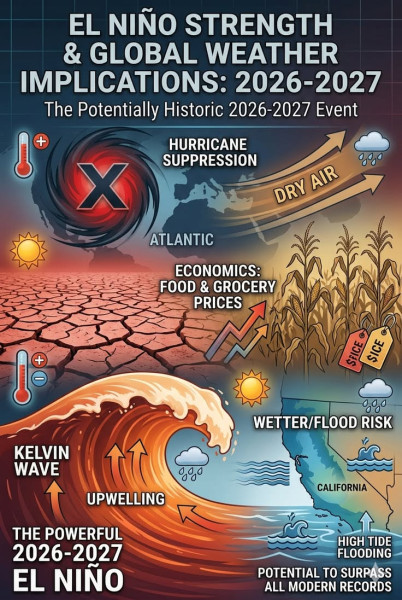
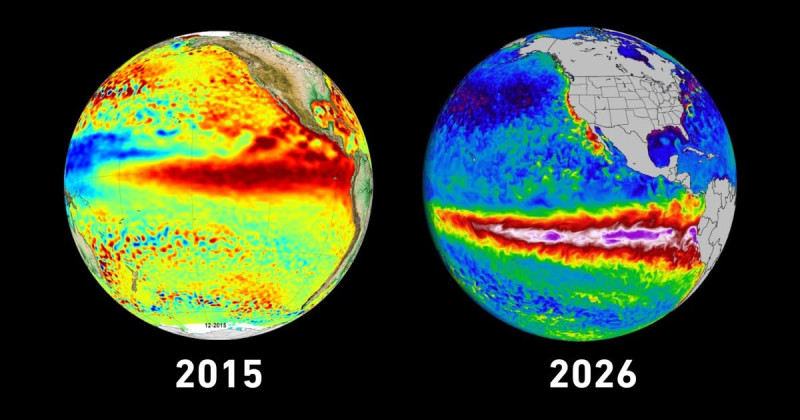
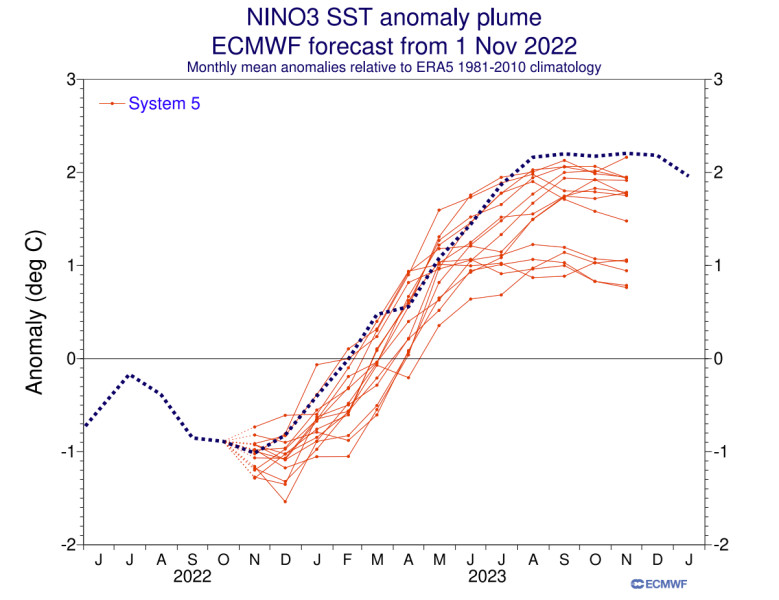
The latest ensemble model runs from the European Centre for Medium-Range Weather Forecasts (ECMWF), the National Oceanic and Atmospheric Administration (NOAA), and the Bureau of Meteorology (BOM) in Australia now align on a high-impact trajectory. This is not your average El Niño event. It looks like we are on the cusp of a Super El Niño, potentially one of the strongest on record, possibly surpassing the historic event of 1877-1878, with far-reaching consequences.
The National Oceanic and Atmospheric Administration (NOAA) and Europe's medium-range forecasting center are in agreement: the odds of a Super El Niño are rising. This isn't just a forecast; it's a warning of a major atmospheric change about to start, as the latest oceanic data confirms the 2026 El Niño is intensifying below the ocean surface.
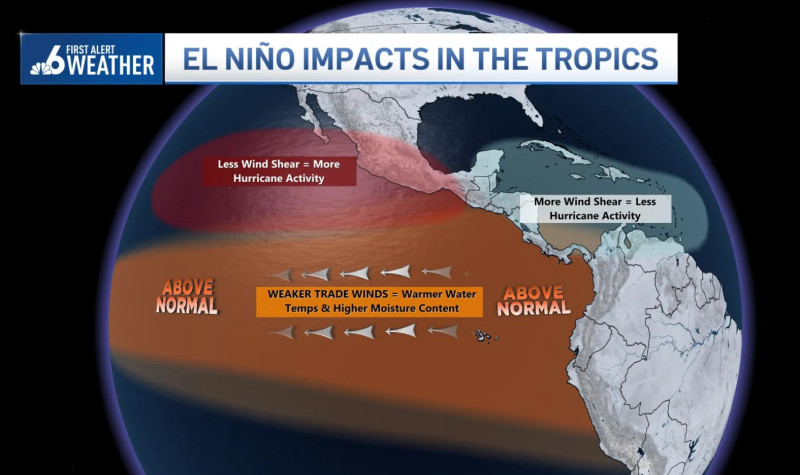
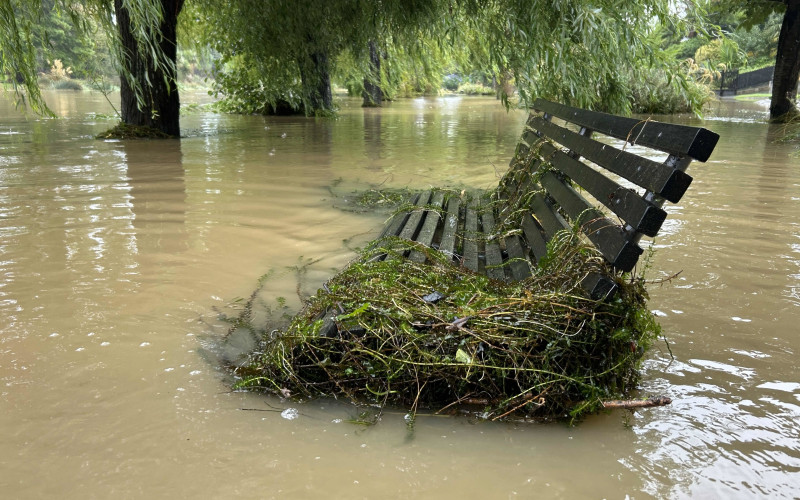
Experts are already discussing the potential impacts. A Super El Niño could mean a wetter fall and winter in the southern U.S., potentially suppressing hurricane activity and leading to increased rainfall and flooding in some regions. This could also mean a drier winter in the Pacific Northwest, with implications for skiing and snowpack management.
What a Super El Niño Means for the Globe
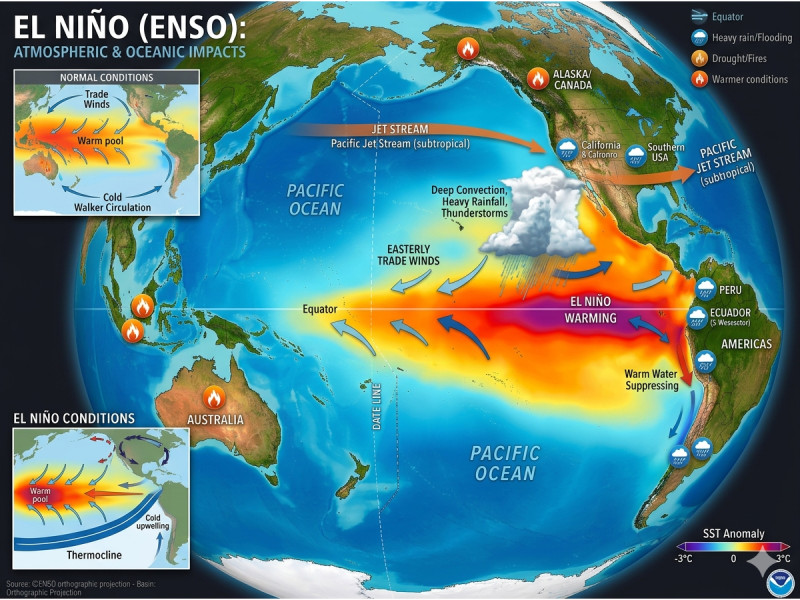
The Super El Niño forecast for 2026 is not just about weather patterns; it's about global climate shifts that could have profound effects on ecosystems, agriculture, and human populations. An El Niño event, typically lasting 9-12 months, has been linked to crop failures, more frequent wildfires and concurrent droughts, increased flood risk, disruptions to fisheries, elevated civil conflict, and increased disease risk in various regions — and the 2026 event is shaping up to be one of the most powerful on record.
— Some think it could be 'among the strongest El Niños seen in recent decades'.
In Southeast Asia and Australia, the Super El Niño could bring extreme rainfall and flooding, disrupting agriculture and infrastructure. In Africa, the potential impacts include severe droughts and increased disease risk, particularly in regions already struggling with food insecurity and political instability. The Super El Niño could also exacerbate wildfires in regions like the Amazon and Indonesia, with devastating effects on biodiversity and carbon emissions.
However, there's a caveat. While the forecasts are aligned, there remains a degree of uncertainty. Seasonal forecasts are always subject to some level of variability, and it's essential to remain cautious. The signals are strong, but the specifics are still emerging, and the forecasts are evolving as more data comes in. —
Coping with the Super El Niño: Implications and Preparations
With the potential for such a powerful El Niño on the horizon, governments and communities worldwide are already beginning to prepare. In the U.S., the National Weather Service is working with local authorities to develop contingency plans for potential flooding and other weather-related disasters. In Southeast Asia, governments are beefing up their disaster response frameworks, while in Africa, early warning systems are being enhanced to mitigate the risks of drought and disease outbreaks.
Many are suggesting that a Super El Niño could become record strong with potential global impacts on rainfall and temperatures from summer through winter, as well as the potential for a wave of climate-driven disruptions that could have far-reaching effects on global economies and ecosystems.
How does this story make you feel?
 Up next · WorldMerlin Chirinos-Argueta: The swift resolution of an AMBER Alert in Allen, Texas