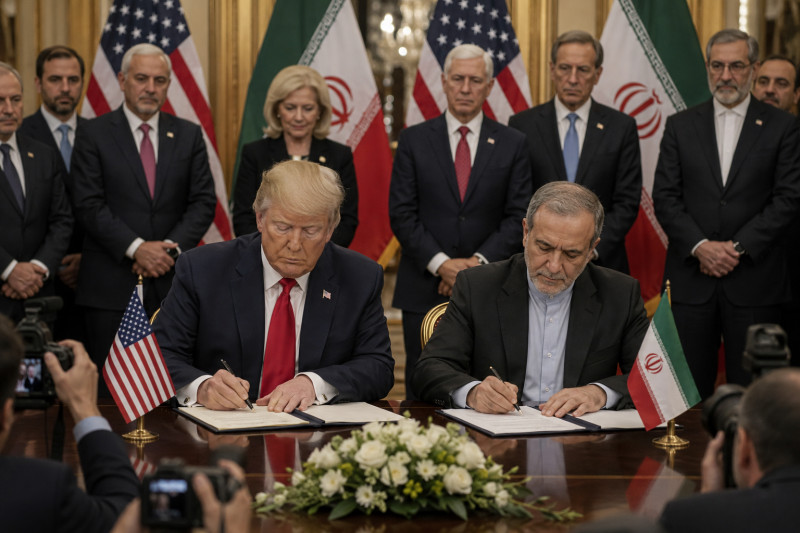
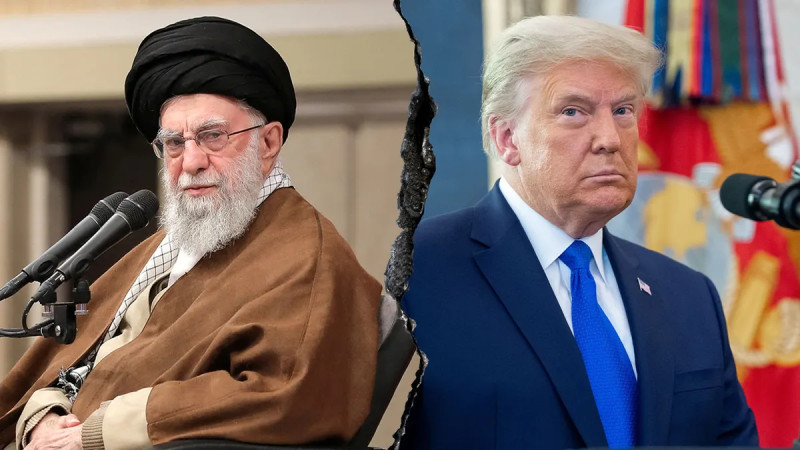
Trump's Shadow Looms Over Iran Tensions: A New Chapter of Hostility?
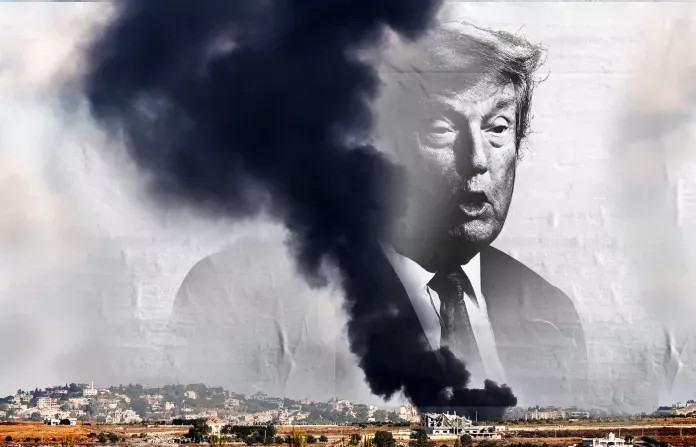
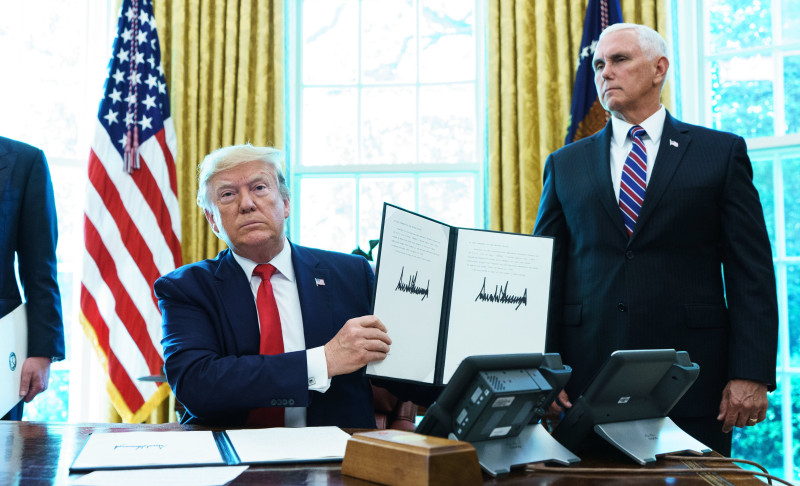
The Iran situation has once again taken a dramatic turn, with the Trump administration, or at least the echoes of it, looming over the latest escalation in tensions. The legacy of the former President's hardline policies towards Iran, particularly his unilateral withdrawal from the 2015 Joint Comprehensive Plan of Action (JCPOA), continues to cast a long shadow over current diplomatic efforts and military operations. Let's not kid ourselves: the geopolitical chess game in the Middle East is far from over.
Military Escalations and Retaliatory Threats
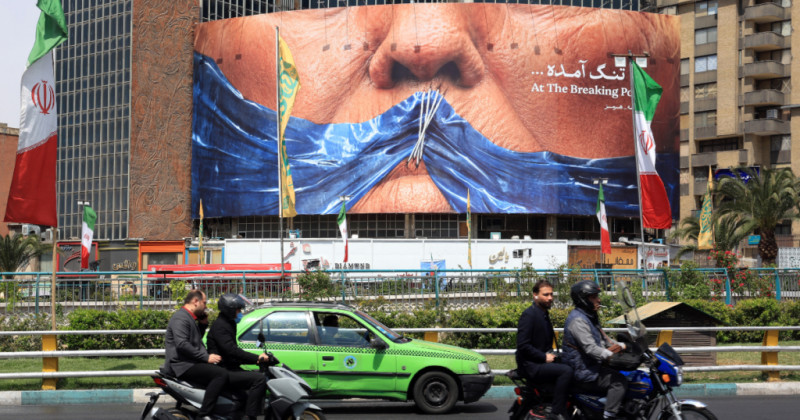
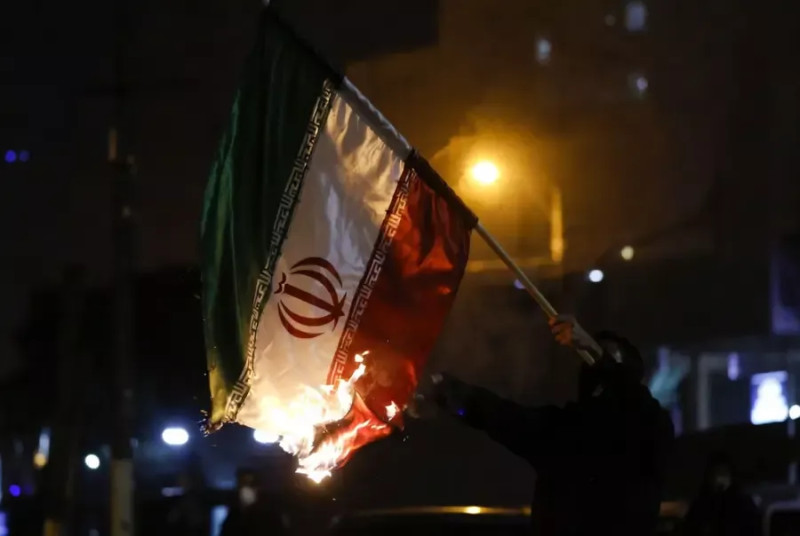
In recent weeks, the U.S.-Iran conflict has entered another volatile phase, with fresh American strikes in southern Iran triggering retaliatory threats from Tehran. Iranian forces have warned of "more decisive" action after attacks near Bandar Abbas, a key port city. The Pentagon chief has made it clear that the U.S. is ready to restart attacks on Iran if a deal cannot be reached, indicating a dangerous cycle of escalation. The latest round of hostilities has once again brought the region to the brink, with the potential for a full-scale conflict looming large.
According to available reports, the U.S. and Iran are close to agreeing on "some sort of arrangement," according to Pakistan's defense minister, who spoke to Bloomberg. However, the reality on the ground remains fraught with danger. The Iranian regime, under Supreme Leader Ayatollah Khamenei, has been increasingly assertive in its demands, insisting that the U.S. must meet its conditions before the Strait of Hormuz can be reopened. This standoff has further complicated the diplomatic landscape, as regional powers like Oman attempt to mediate a temporary shipping route agreement.
The Trump Factor: A Legacy of Confrontation
The legacy of Donald Trump's presidency in the Middle East, particularly his approach to Iran, has been one of unyielding confrontation. His withdrawal from the JCPOA in 2018, coupled with the reimposition of harsh economic sanctions, has left Iran isolated and economically devastated. The current escalation in tensions can be seen as a direct consequence of this policy, with Iran's retaliatory actions being met with even more aggressive military responses from the U.S. and its allies.
Meanwhile, the U.S. military remains cautious about the potential outcomes of any operation in the region. Military officials have warned President Trump that any operation to take the Strait of Hormuz would be lengthy, costly, and deadly, with no guarantee of winning. This stark assessment underscores the complexity and danger of the situation, as well as the potential for a prolonged and devastating conflict.
Here's what nobody's asking: What if the Trump administration's policies have actually strengthened Iran's resolve and capability to resist U.S. pressure? The data is damning: since the withdrawal from the JCPOA, Iran has accelerated its nuclear program, developed more sophisticated ballistic missiles, and increased its regional influence through proxy forces. This counter-intuitive outcome highlights the limits of a purely confrontational approach and the need for a more nuanced diplomatic strategy.
As the situation in Iran continues to unfold, it is clear that the legacy of Trump's policies will have a lasting impact on U.S.-Iran relations. The current administration faces a daunting challenge in navigating the complex geopolitical landscape of the Middle East, where the specter of conflict hangs heavy over any potential for peace. Iran, for its part, remains defiant, warning of "more decisive" action if its demands are not met. The road ahead is fraught with danger, and the future of the region hangs in the balance.
How does this story make you feel?
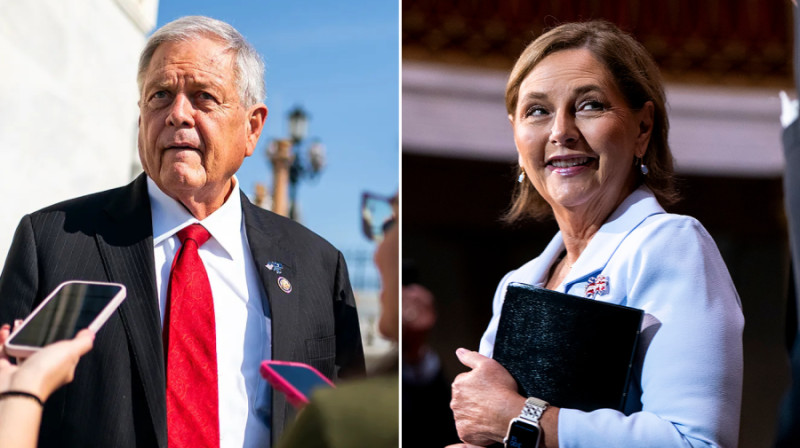 Up next · PoliticsSouth Carolina’s GOP Senate Primary Heats Up: Graham vs. Norman