Devastating Landslide and Glacial Collapse Trigger Flooding in Nepal
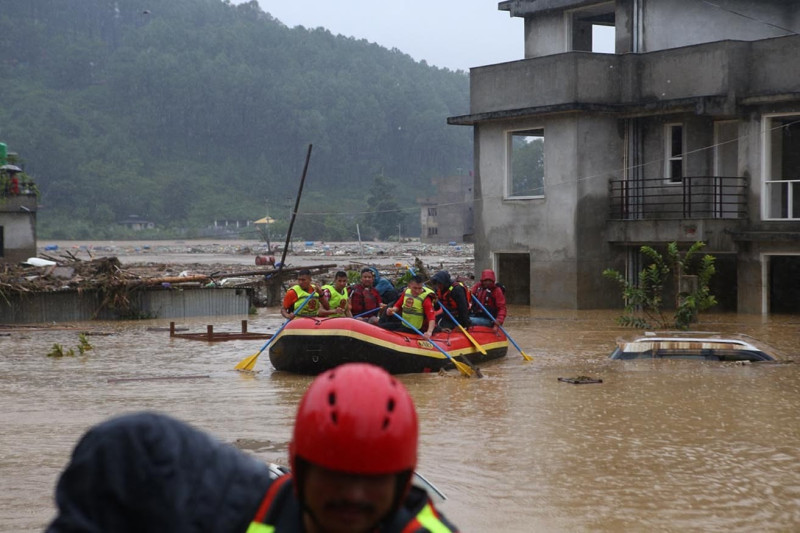
Nepal’s remote mountainous regions have been ravaged by flash floods, caused by a devastating landslide and glacial collapse. The deluge swept through villages, destroying infrastructure and claiming hundreds of lives, with at least 359 confirmed deaths in Nepal and three in China. The event has left communities reeling as experts investigate the causes, pointing to the Himalayan glaciers as the root of the disaster. The event has left communities reeling as experts investigate the causes, pointing to the Himalayan glaciers as the root of the disaster.
Error and impact of the Nepal flash flood
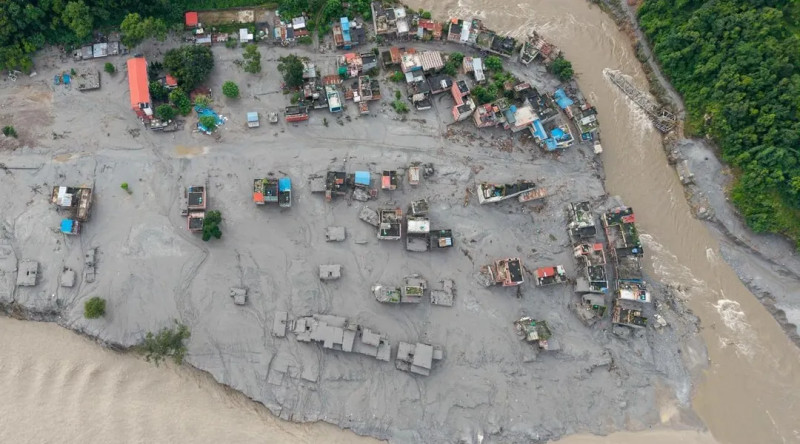
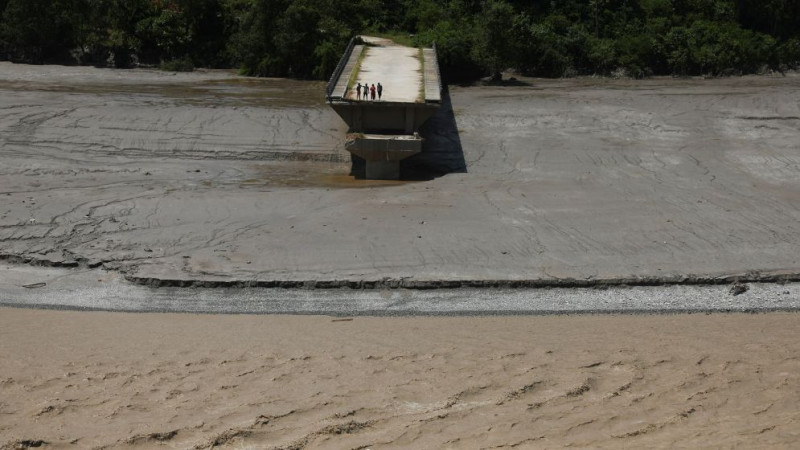
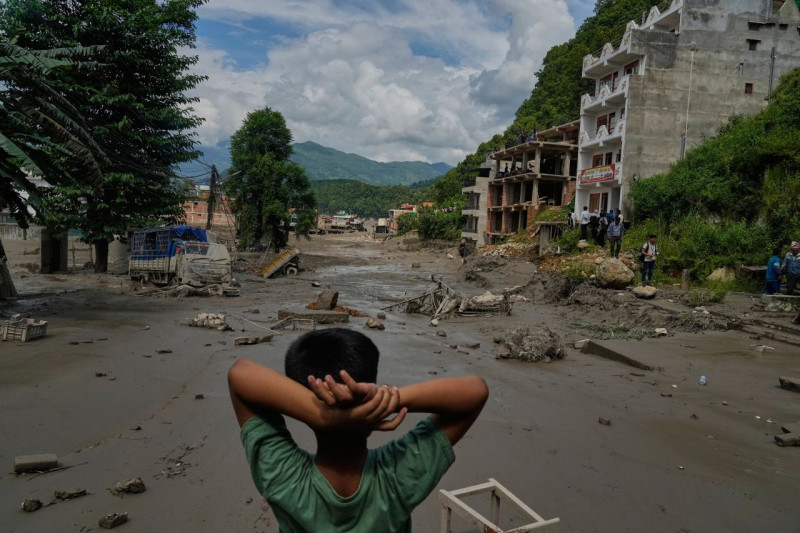
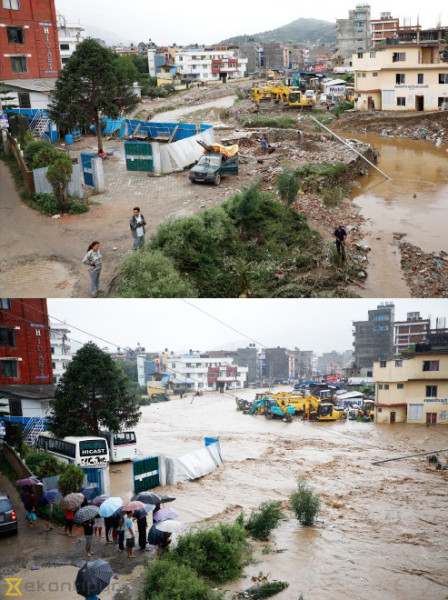
The flash flood, originating from Tibet, caused widespread structural damage in northern Nepal. The deluge reportedly washed away villages and infrastructure project sites near the country's border. The flash flood swelled the Bhote Koshi River at around 9 am local time before advancing downstream into the Trishuli River towards Nuwakot. Authorities have issued flood warnings for communities along rivers in the Rasuwa, Nuwakot, Dhading, Gorkha, and Chitwan districts.
The trigger: Landslide and Glacier Collapse
The landslide, which triggered the fall of at least part of a glacier down the Himalayas, caused the severe flash floods that devastated Nepal. The catastrophe was the result of an "enormous" landslide that sent tons of debris crashing down into the river valleys below. The United States Geological Survey (USGS) has classified the seismic event as a magnitude 5.2 glacial collapse.
The Role of Climate Change
Climate change is also suspected to have played a significant role in the disaster. Warming temperatures have likely contributed to the glacial lake overflow event. This has left communities in Nepal more vulnerable to such catastrophic events.
‘’The Himalayas are experiencing rapid glacier retreat and increased glacial lake formation. These lakes can burst, causing devastating floods. The frequency and severity of these events will likely increase as the climate continues to warm,’’ said an expert on climate change and its impact on glaciers.
The devastating floods in Nepal are a stark reminder of the vulnerability of communities living in mountainous regions. As the world continues to grapple with climate change, the frequency and severity of such events are likely to increase. The focus must now shift to disaster preparedness and community resilience.
How does this story make you feel?
 Up next · WorldThe Lindsay Clancy Trial: A Drama Unfolding in Court