Netanyahu's Bloc Leading but Short of Majority in Latest Israeli Election Results
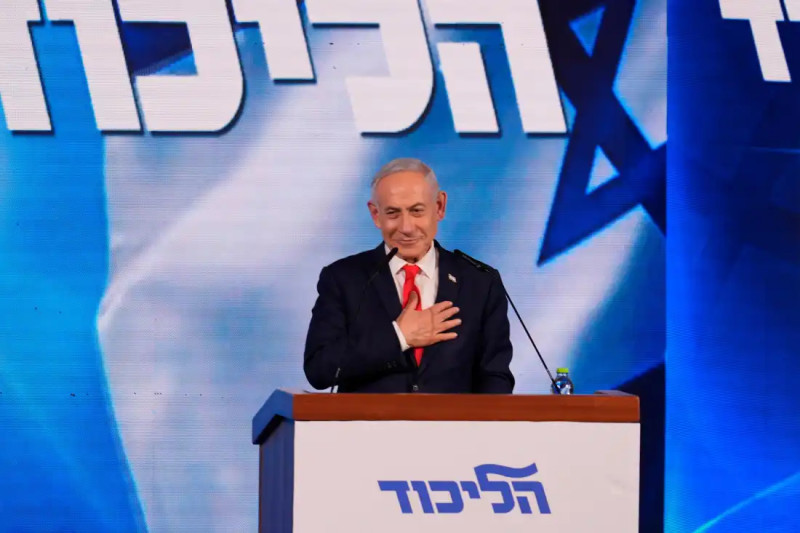
Israel's latest election has left the country in a familiar spot of uncertainty. Prime Minister Benjamin Netanyahu's bloc currently holds the lead, but the outcome remains uncertain as the process of counting double envelopes and coalition negotiations continues. Here’s what we know and what's at stake.
Election Outcome and Coalition Dynamics
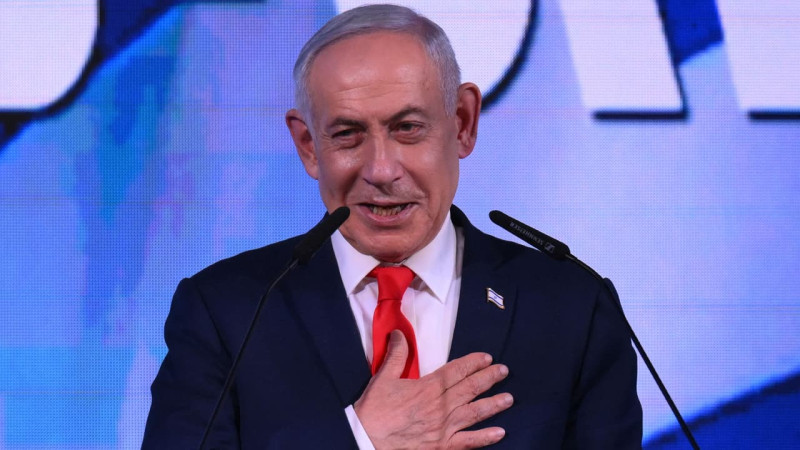
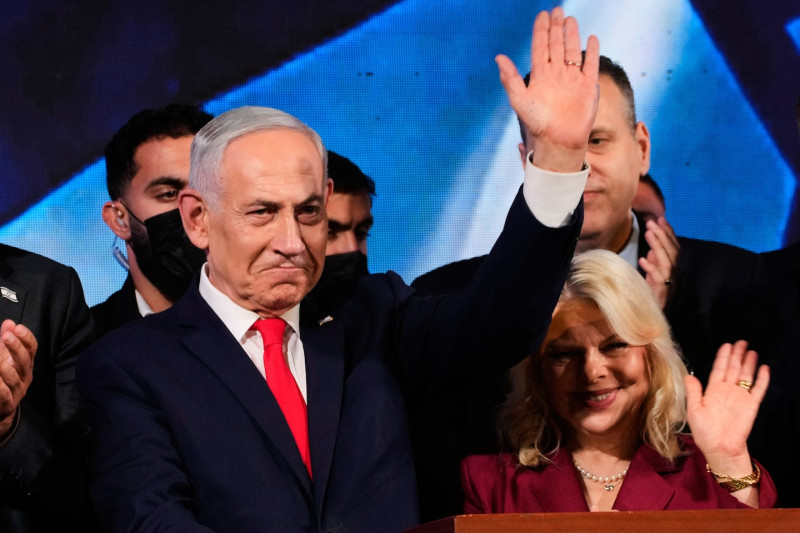
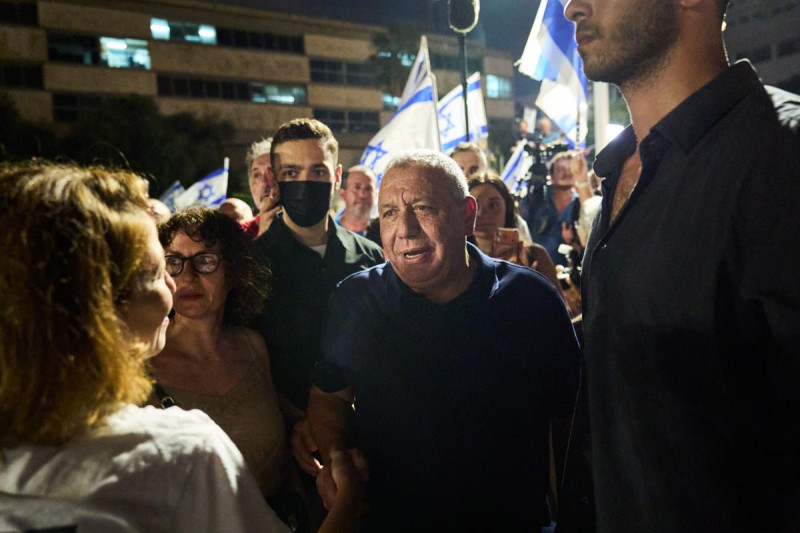
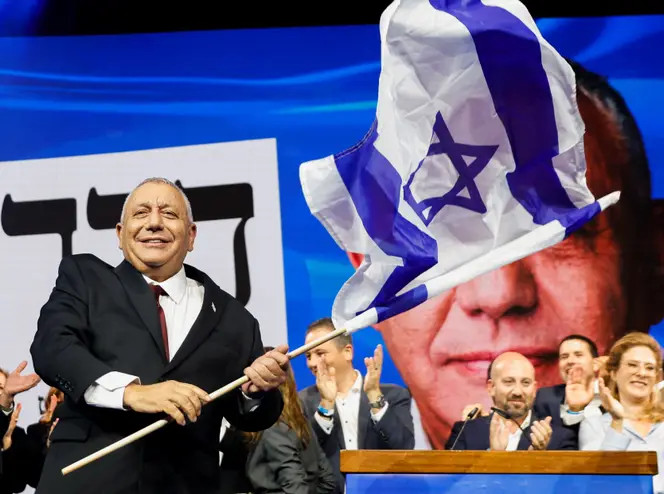
Netanyahu's bloc won 53 seats, while the bloc led by his main rival Gadi Eisenkot secured 48 seats, and the Arab parties collectively won 19 seats. This represents a significant political hurdle for Netanyahu, as his bloc remains short of the 61-seat majority required to form a government in the 120-seat Knesset.
The current situation mirrors past elections where no single bloc managed to secure an outright majority, leading to extended periods of negotiations and political instability. The country's electoral system, which relies on proportional representation, often results in fragmented parliaments, making coalition-building a complex and sometimes protracted process.
Israel has had to conduct multiple elections in recent years, with the 2026 election notable for being the first since 1988 that a Knesset completed its full four-year term without being dissolved prematurely. This highlights the recent political volatility that has plagued the country.
Herzog, a prominent figure in the Israeli political landscape, has emphasized the need for political stability and unity, urging all parties involved to act responsibly and avoid actions that could further destabilize the country.
Economic Repercussions and Market Reactions
As the election results came in, Israeli bonds and the shekel experienced a decline, reflecting investor unease over the political uncertainty. Market analysts and economists have been closely monitoring the situation, as the outcome of the elections can have significant implications for the country's economic policies and international relations.
Investors and financial analysts are closely watching the situation, as the political uncertainty can impact economic policies and international relations. The prolonged political instability has already taken a toll, with the country's economic growth rates dipping and inflationary pressures rising.
The political uncertainty has led to a lot of speculation and analysis, with experts weighing in on the potential outcomes and their impact on the country. For instance, one expert noted that "anything can happen in Israeli politics," highlighting the unpredictable nature of the political landscape.
In the meantime, the country’s economic and political future hangs in the balance, with key decisions yet to be made. The next steps will involve intense negotiations between the various political blocs to form a viable governing coalition. The success of these negotiations will determine the stability of the next government and its ability to address the pressing issues facing the country.
Next Steps and Future Outlook
According to an expert on Israeli politics, "It is unclear who will ultimately form the next government, but the process will be fraught with complexities and uncertainties." The current political landscape in Israel is characterized by deep divisions and a highly fragmented political spectrum, making the formation of a stable government a formidable challenge.
As the process of counting double envelopes continues, the country awaits a clearer picture of the final seat distribution. The outcome of these counts could significantly alter the current dynamics and potentially shift the balance of power.
“After the elections, we are no closer to knowing who will govern Israel than before. The results are not conclusive and we must brace for a protracted period of negotiations and uncertainty.”
With the election results still not definitive, the country braces for a prolonged period of negotiations and political maneuvering. Stay tuned for the next critical developments, as the political landscape in Israel continues to evolve in the coming weeks and months.
How does this story make you feel?
 Up next · PoliticsHaley Stevens’ fiancé backs Republican Mike Rogers