Iowa Lead Azide Detonation: A Hazardous Success or a Toxic Risk?
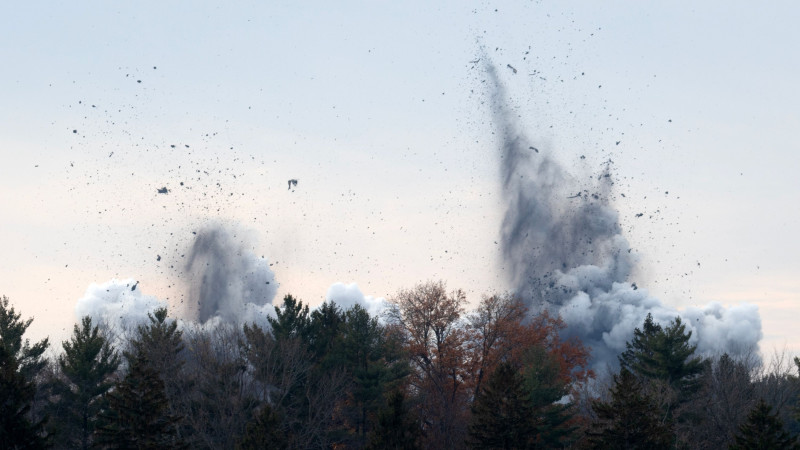
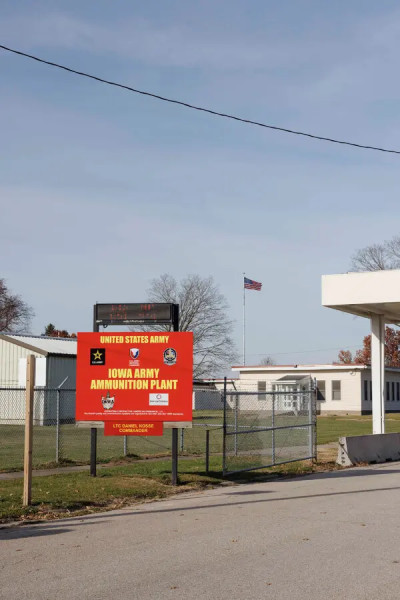
The Army's recent detonation of lead azide in Iowa has sparked a flurry of debate, with officials hailing it as a success while environmentalists and local residents voice concerns about potential health and environmental risks. The controlled explosion, which is in the lead azide blasts category, involved the destruction of a massive amount of deteriorating lead azide, a chemical compound used in military munitions. The entire stockpile of nearly 5 tons of lead azide was successfully detonated at the Iowa Army Ammunition Plant, according to Major General Eric Shirley of the U.S. Army. Yet, the event has left many questioning the decision and its long-term implications.
An Explosive Decision: Why Iowa's Lead Azide Was Detonated
The detonation of lead azide in Iowa was a monumental decision, driven by the urgent need to mitigate the risk of accidental explosions from the deteriorating explosives. The U.S. Army had warned that the degrading bomb-making chemicals could explode at any time, posing a significant threat to both the environment and public safety. This decision, though necessary, has ignited a storm of controversy. Critics argue that the Army's handling of the situation was rushed, leaving little room for public consultation and transparency. The Army's decision to proceed with the detonation was met with outrage, as residents and environmental groups expressed concerns about the potential health and environmental impacts of the lead dust generated by the explosion.
Health and Environmental Concerns Post-Detonation
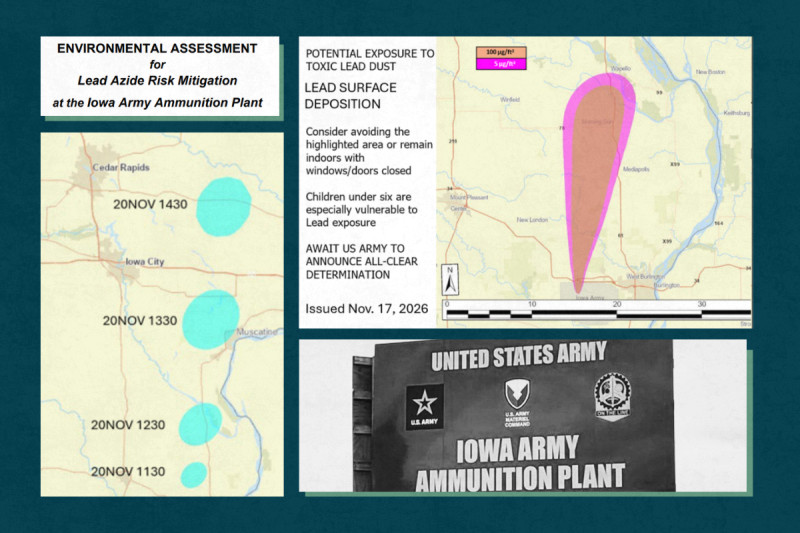
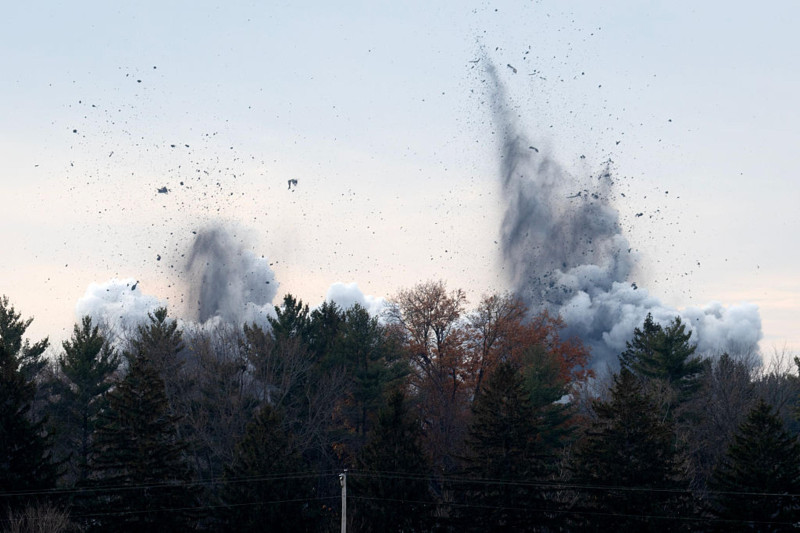
While the detonation was deemed successful by the U.S. Army, the aftermath has left many worried. Two hazy plumes rose over the Iowa Army Ammunition Plant, visible for miles around, raising alarms about the potential for lead contamination. The Army has assured the public that the controlled explosion was executed with precision, ensuring that the lead dust would settle within a contained area. However, environmentalists and local residents remain skeptical. The Army's decision to proceed with the detonation despite public outcry and legal battles reflects a troubling trend of prioritizing immediate safety over long-term environmental health. It's clear that the Army cares more about ticking the boxes on safety checks rather than genuinely engaging with the community. This raises a critical question: how safe is the detonation's success if the long-term effects are still unknown?
Counter-Argument: The Necessary Risk
On the other hand, proponents of the detonation argue that the risks were necessary. The U.S. Army's decision to detonate the lead azide was driven by the urgent need to mitigate the risk of accidental explosions from the deteriorating explosives. The Army had warned that the degrading bomb-making chemicals could explode at any time, posing a significant threat to both the environment and public safety. The Army's decision to proceed with the detonation was met with outrage, as residents and environmental groups expressed concerns about the potential health and environmental impacts of the lead dust generated by the explosion. However, supporters of the detonation argue that the risks of leaving the lead azide in storage were far greater than the potential hazards of the controlled explosion. The Army's decision to proceed with the detonation reflects a calculated risk, balancing the need for immediate safety with the potential long-term environmental and health impacts. The Army's decision to detonate the lead azide was driven by the urgent need to mitigate the risk of accidental explosions from the deteriorating explosives. However, the Army's handling of the situation was rushed, leaving little room for public consultation and transparency. The Army's decision to proceed with the detonation was met with outrage, as residents and environmental groups expressed concerns about the potential health and environmental impacts of the lead dust generated by the explosion.
Yet, the long-term implications of the detonation remain unclear. The Army's decision to proceed with the detonation has raised concerns about the potential for lead contamination in the surrounding area. The Army has assured the public that the controlled explosion was executed with precision, ensuring that the lead dust would settle within a contained area. However, environmentalists and local residents remain skeptical. The Army's decision to proceed with the detonation despite public outcry and legal battles reflects a troubling trend of prioritizing immediate safety over long-term environmental health. Here's what nobody's asking: if the Army's decision to detonate the lead azide was driven by the urgent need to mitigate the risk of accidental explosions from the deteriorating explosives, why wasn't more done to engage with the community and address their concerns? Let's not kid ourselves: the Army's decision to detonate the lead azide was a necessary evil, but it's clear that more could have been done to ensure the safety and well-being of the community. The data is damning: the Army's decision to proceed with the detonation has raised concerns about the potential for lead contamination in the surrounding area. The Army has assured the public that the controlled explosion was executed with precision, ensuring that the lead dust would settle within a contained area. However, environmentalists and local residents remain skeptical. The Army's decision to proceed with the detonation despite public outcry and legal battles reflects a troubling trend of prioritizing immediate safety over long-term environmental health. The Army's decision to detonate the lead azide was driven by the urgent need to mitigate the risk of accidental explosions from the deteriorating explosives. The Army's decision to proceed with the detonation was met with outrage, as residents and environmental groups expressed concerns about the potential health and environmental impacts of the lead dust generated by the explosion.
In the aftermath of the detonation, the Army has pledged to continue monitoring the site and addressing any potential health and environmental concerns. But how trustworthy is the Army's word, given its track record? The Army's decision to proceed with the detonation has raised concerns about the potential for lead contamination in the surrounding area. The Army has assured the public that the controlled explosion was executed with precision, ensuring that the lead dust would settle within a contained area. However, environmentalists and local residents remain skeptical. The Army's decision to proceed with the detonation despite public outcry and legal battles reflects a troubling trend of prioritizing immediate safety over long-term environmental health. The Army's decision to detonate the lead azide was driven by the urgent need to mitigate the risk of accidental explosions from the deteriorating explosives. The Army's decision to proceed with the detonation was met with outrage, as residents and environmental groups expressed concerns about the potential health and environmental impacts of the lead dust generated by the explosion.
How does this story make you feel?
 Up next · PoliticsThe Legacy of Virgil Miller: A Life Defined by Tenacity and Love