Detonation Drama in Iowa: The Lead Bomb as Public Safety Precaution
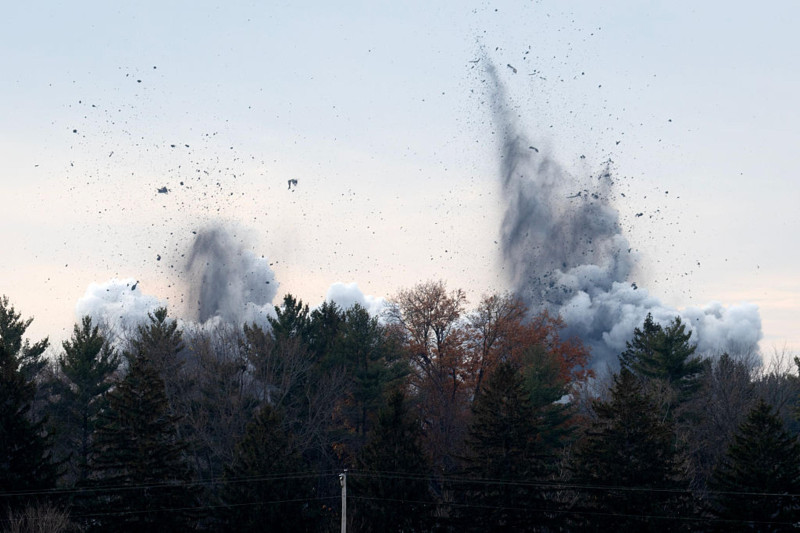
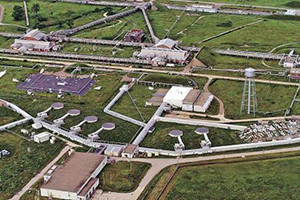
The Iowa sky is still littered with the echoes of a controlled detonation, a public safety measure orchestrated by the Army to mitigate the risks posed by a lead bomb in the form of 10,000 pounds of unstable lead azide. The lead azide in question, a highly volatile compound, had degraded over time and was deemed too dangerous to handle or move, leading to a lead bomb detonation by the Army at the Iowa Army Ammunition Plant, leaving a dense, gray cloud over the rural landscape.
The Unstable Chemistry of Lead Azide
It's not the stuff of comic book villains, but lead azide is a powerful and unstable chemical. This compound has long been used in the military, particularly in detonators and blasting caps, due to its explosive properties. The Army's decision to detonate nearly 10,000 pounds of it was driven by the very real and immediate threat it posed to the public. When exposed to heat, friction, or shock, lead azide can detonate unpredictably, resulting in a lethal shrapnel storm.
The Decision to Detonate
A cloud of uncertainty hung over the Iowa Army Ammunition Plant as officials faced a dilemma: how to safely dispose of 68 drums of degraded lead azide. This volatile substance, once stable, had begun to degrade, posing a serious risk to anyone who might come into contact with it. The Army's choice was clear: a controlled, mitigated detonation under an emergency permit issued by the U.S. Environmental Protection Agency (EPA).
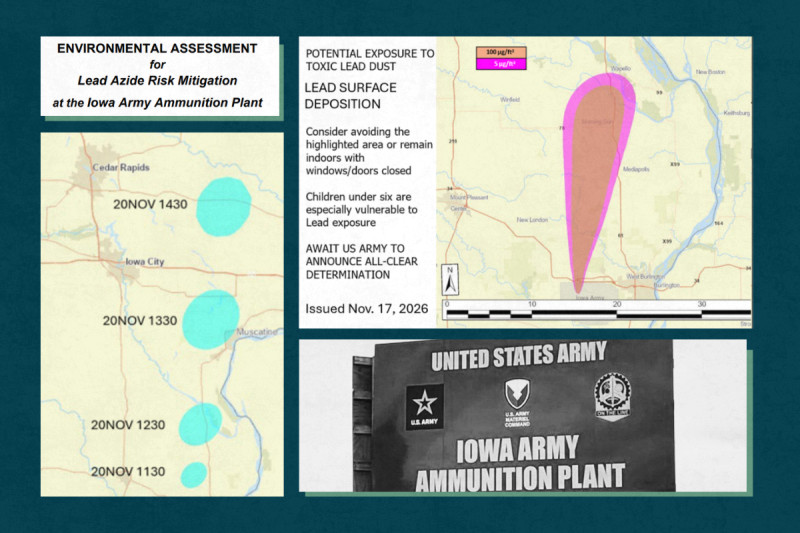
However, the plan was not without its challenges. Initially scheduled for a specific day, the detonation was postponed and then rescheduled, causing local residents to brace for a sudden shockwave and the potential danger.Federal authorities issued a public safety advisory, instructing residents to keep their windows closed and stay indoors for several days.
The Environmental and Health Implications
Beyond the immediate threat of explosion, the detonation of such a large quantity of lead azide raises significant environmental and health concerns. Lead, a hazardous and persistent toxin, can have devastating effects on human health. When released into the air, it can contaminate soil, water, and vegetation, posing long-term risks to both wildlife and human populations.
The actual public health risk will depend on various factors, including meteorological conditions, airborne lead concentrations, and individual exposure circumstances. Environmental monitoring results will be critical in assessing potential exposure risks following the detonation.Public health guidance and precautionary measures are essential in managing the aftermath to ensure the safety of the local community and the environment.
The controlled detonation of lead azide at the Iowa Army Ammunition Plant highlights the complex interplay between public safety, environmental concerns, and military operations. The decision to detonate was not made lightly, but it underscores the seriousness of the threat posed by unstable explosives and the need for rapid, decisive action to protect the public and the environment. As the dust settles, the focus now turns to mitigating the long-term impacts and ensuring that similar incidents are prevented in the future.
What happens when the smoke clears and the echo fades, leaving only the sickly residue of a public safety measure? How do we reconcile the necessity of such actions with the lasting effects on the land and its people?
How does this story make you feel?
 Up next · WorldMid-Missouri Braces for Heavy Snowfall as Winter Weather Advisory Looms