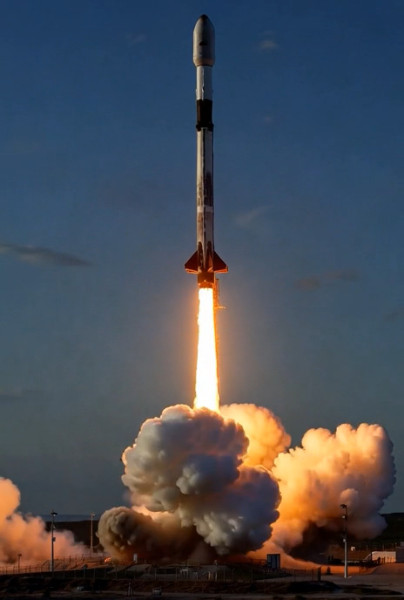
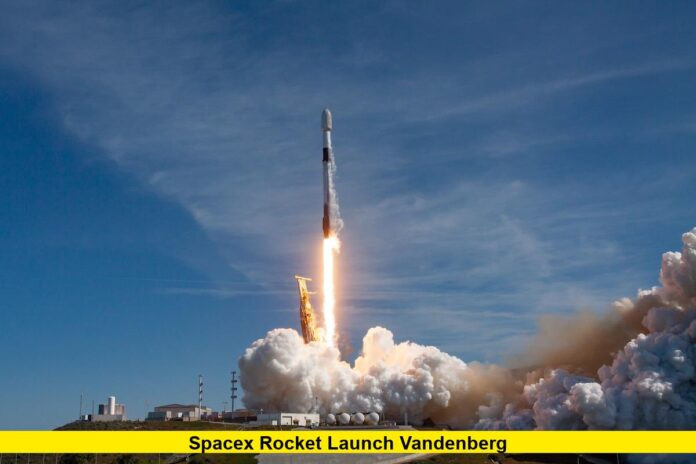
SpaceX's Falcon Heavy Rocket Heads for History
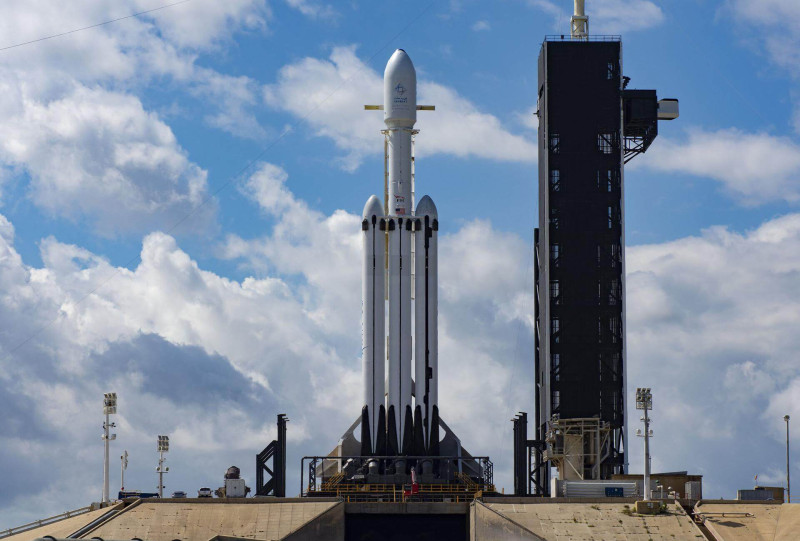
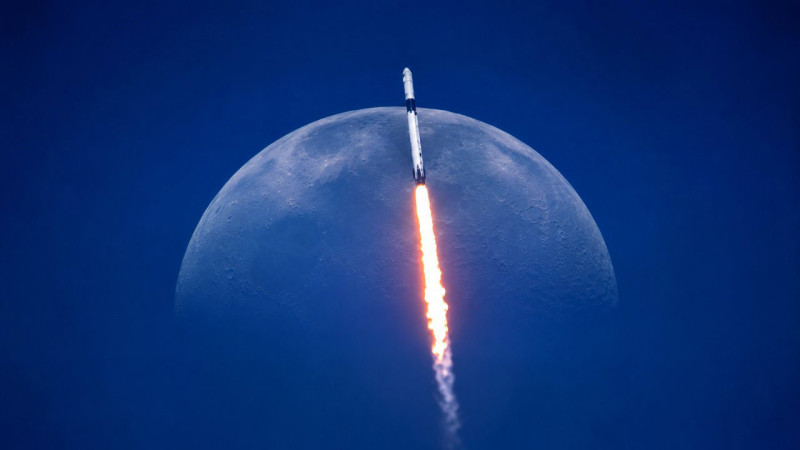
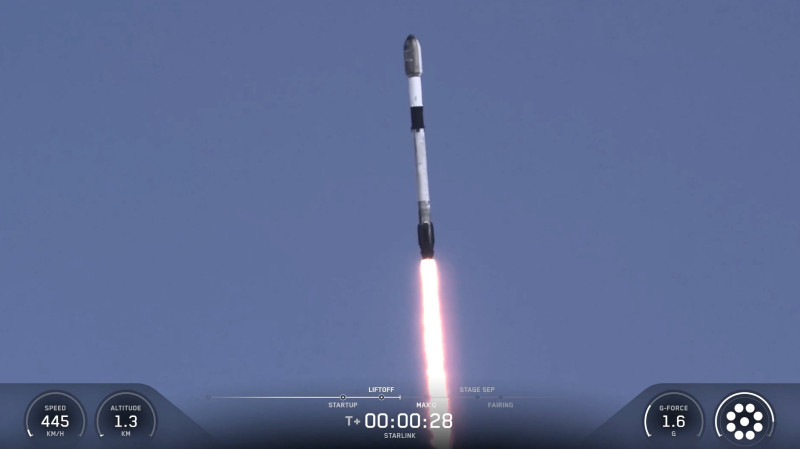
SpaceX's Falcon Heavy rocket, the most powerful operational launch vehicle in the world, is poised to make its 12th flight on April 27, 2026, from Launch Complex 39A at Kennedy Space Center. This launch, which features the ViaSat-3 F3 mission, has been much-anticipated, not only for its significance in the aerospace industry but also for the sheer drama and excitement that surrounds it.
The Falcon Heavy Launch Today: A Milestone Event
Today, April 27, 2026, is a critical day for SpaceX as it prepares to launch the Falcon Heavy rocket, the most formidable version of its Falcon series to date. The launch, originally planned for 10:21 a.m. ET, has faced weather-related delays, pushing the launch window to 11:46 a.m. ET, which underscores the unpredictable nature of space launches. The mission, part of the ViaSat-3 satellite constellation, is set to deliver the final satellite in this series to a geosynchronous transfer orbit. This launch marks the return of the Falcon Heavy after an 18-month hiatus, a period during which the rocket's capabilities and mission profiles have been eagerly scrutinized.
The Falcon Heavy rocket has a storied history, first debuting in 2018 with a mission to geosynchronous orbit. Its powerful configuration, which combines three Falcon 9 cores, makes it a crucial asset for missions that require significant payload capacity. Since its inception, the Falcon Heavy has flown just 11 times, each mission adding to its legacy of innovation and reliability. Two of these missions previously carried ViaSat-3 satellites, highlighting the rocket's consistency in handling high-stakes satellite deployments.
Preparing for Launch: The Technical Marvels of Falcon Heavy
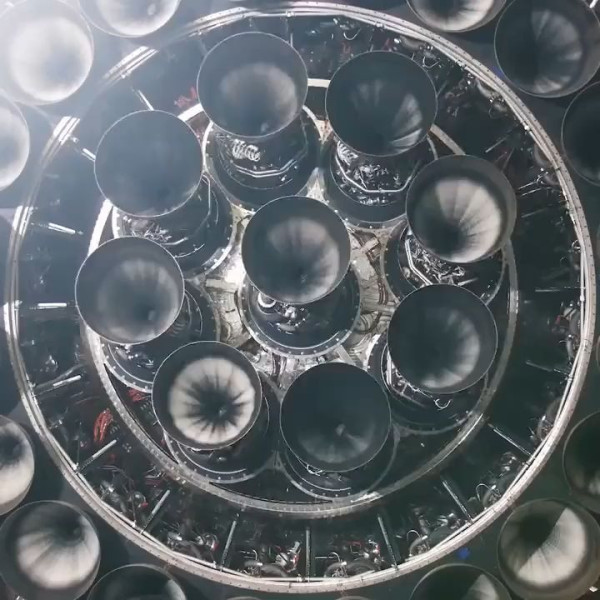
The Falcon Heavy is an engineering marvel, combining the power of three core units from the Falcon 9 rocket, each featuring nine Merlin engines. This configuration allows the Falcon Heavy to lift over 63,800 kilograms (140,700 pounds) to low Earth orbit, making it a go-to for missions that require massive payloads. The rocket's performance and reliability are key factors in SpaceX’s broader mission to make space travel more affordable and accessible. The successful launch of the ViaSat-3 F3 mission is expected to further cement the Falcon Heavy as a cornerstone in the aerospace industry.
The rocket's design, which includes a reusable booster system, is part of SpaceX's broader strategy to revolutionize space travel by reducing costs and increasing the efficiency of launches. The Falcon Heavy stands out for its ability to lift heavier payloads and for its innovative use of reusable technology, which has allowed SpaceX to significantly cut down on launch costs. The success of the Falcon Heavy is seen as a stepping stone to more ambitious projects, including the development of the Starship, SpaceX's next-generation spacecraft designed for missions to Mars and beyond.
From a 18-Month Hiatus to a Milestone Launch
This launch is particularly notable as it comes after an 18-month hiatus, during which the Falcon Heavy has not been in service. The hiatus was not unexpected, as SpaceX has been diverting resources to other projects, notably the development of the Starship. However, the return of the Falcon Heavy to active duty is a testament to its continued relevance and importance in the aerospace industry.
The Falcon Heavy has undergone a series of upgrades and improvements during its hiatus, enhancing its capabilities and ensuring it remains at the forefront of space technology. These enhancements are designed to improve the rocket's performance, reliability, and safety, making it a top choice for high-value missions. With the launch of the ViaSat-3 F3 mission, the Falcon Heavy is poised to prove its continued dominance in the field of heavy-lift launches.
The ViaSat-3 F3 mission, which includes the deployment of the final satellite in the ViaSat-3 constellation, is expected to provide enhanced internet connectivity across multiple continents, particularly in regions with limited access. The deployment of this satellite will complete the global internet infrastructure, ensuring that millions of people gain access to high-speed internet, thereby bridging the digital divide.
With its powerful configuration and advanced technological innovations, the Falcon Heavy continues to push the boundaries of what is possible in space exploration. The successful launch and deployment of the ViaSat-3 F3 satellite will not only mark a significant milestone for SpaceX but also highlight the potential of heavy-lift rockets in shaping the future of global connectivity and space travel.
“The Falcon Heavy is a testament to the power of innovation and the relentless pursuit of excellence. Its return to service is a pivotal moment for the aerospace industry, showcasing the capabilities and potential of heavy-lift rockets in shaping the future of space exploration and global connectivity." — Elon Musk, CEO of SpaceX.
As the Falcon Heavy rocket stands ready on the launchpad, it embodies the ambition and ingenuity of SpaceX, a company that has forever changed the landscape of space exploration. The question now is: what new horizons will the Falcon Heavy conquer next, and how will its legacy shape the future of space travel?
How does this story make you feel?
 Up next · TechRockstar Games' Epic GTA 6 Saga: Release Countdown