Stephen Feinberg's Urgent Pentagon Meeting Exposes Tensions Over Iran War
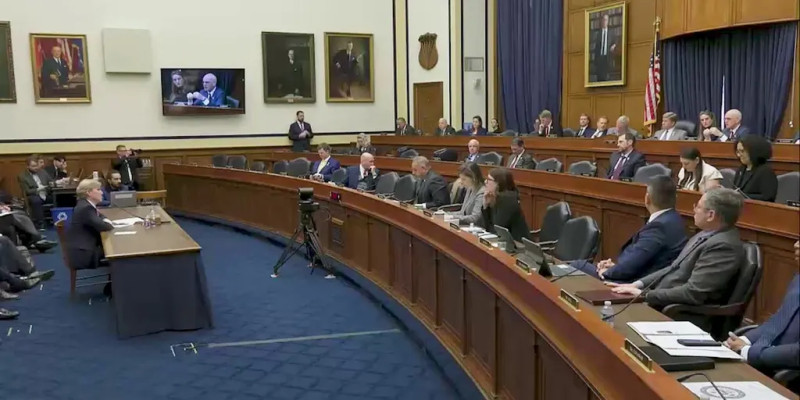
The fluorescent lights of the Pentagon's briefing room flickered on, casting a harsh glow over the somber faces of the top military brass gathered. The room hummed with an unusual tension, the usual briefing room hum of phones buzzing in pockets barely audible. The Pentagon's Deputy Secretary, Stephen Feinberg, 66, had hastily organized this crisis meeting. It was a Friday evening, after an angry call from President Trump himself about the shortage of munitions affecting the ongoing Iran war.
Trump's Frustration with Defense Secretary Pete Hegseth
The source of the President's ire was clear: Defense Secretary Pete Hegseth. Trump had confronted Hegseth at Camp David, demanding answers about the munitions shortage. The President's frustration was evident as he accused Hegseth of misleading him about the availability of arms for the Iran war. This was not the first time Trump had expressed his displeasure with Hegseth; he had reportedly voiced his concerns in recent times, especially after receiving reports of shortages in key munitions.
That evening, the President's call to Feinberg had set the Pentagon ablaze. — Trump was furious, the reports said, over what he saw as a lack of preparedness and transparency from the Defense Secretary. The meeting was called to address these concerns and to devise a strategy to mitigate the impact of the shortages on ongoing military operations in Iran.
“This is a critical moment for our national security. The President’s frustration is understandable, given the stakes involved,” a senior defense official said, highlighting the gravity of the situation. “The Pentagon is working tirelessly to address these issues and ensure that our military has the resources it needs to protect our nation and its interests.” — Trump wanted to expand his military operations in Iran, but the shortage of munitions was hampering his plans. This frustration was evident in his conversations with Hegseth and in the subsequent meeting with Feinberg and the Pentagon brass.
Feinberg's Role and the Pentagon's Response
Feinberg, who had received the angry call from Trump, was tasked with organizing this emergency meeting. The Deputy Defense Secretary’s role in this crisis was pivotal. Feinberg had to not only address the President’s concerns but also ensure that the Pentagon’s response was swift and effective. The meeting was a critical juncture, as it would determine the course of action to be taken in the face of the munition shortages.
“Pentagon officials had been aware of the shortages for some time, but the President’s intervention has brought the issue to the forefront,” a Pentagon insider said. “We are now working on a comprehensive plan to address these shortages and ensure that our military has the necessary resources to carry out its missions effectively.” — The Pentagon was under immense pressure to resolve the issue, and Feinberg’s meeting was seen as a step in the right direction.
The meeting, held in the fluorescent glare of the briefing room, was intense. Top brass were present, including Feinberg, who had to present a plan to address the munitions shortage. The room was filled with the hum of strategic discussions and the occasional tense silence. Feinberg’s role was to ensure that the Pentagon’s response was robust and that all contingencies were considered.
The Ongoing Iran War and Future Implications
The Iran war has been a significant drain on the US's military resources, and the munitions shortage has only exacerbated the situation. The Pentagon’s response to this crisis will have far-reaching implications for the ongoing conflict and the US’s military strategy in the region. The need to address the shortages is not just a matter of military logistics but also of national security and geopolitical strategy. — Hegseth had blamed Feinberg for failing to fully brief Trump on the munitions shortage.
As the meeting unfolded, the stakes became clearer. The Iran war was not just a battle for resources but a test of the Pentagon’s readiness and preparedness. The outcome of this crisis would determine the course of the war and the US’s military strategy in the Middle East. — The President’s frustration with the munitions shortage was driven by the potential impact on the Iran war. — Feinberg’s meeting and the Pentagon’s response would be crucial in shaping the future of US military operations in the region.
The US’s military operations in Iran, already fraught with challenges, have been further complicated by the munitions shortage. The Pentagon’s response to this crisis will be critical in determining the future of the conflict and the US’s military strategy in the region. Feinberg’s role and the Pentagon’s efforts to address the shortage will be closely watched as the Iran war continues to unfold.
The urgent meeting called by Stephen Feinberg, the hum of strategic discussions in the Pentagon, and the ongoing munitions shortage epitomize a larger, more complex narrative. This narrative parallels the 1980s, when the Reagan administration faced similar challenges with arms supply during the Iran-Iraq war, highlighting the enduring challenges of military logistics and geopolitical strategy in the Middle East. Much like in the past, the current crisis underscores the importance of preparedness and transparency in military operations, with the stakes for the US's future in the region remaining high.
How does this story make you feel?
 Up next · PoliticsNew Orleans Auto Accident Lawyers Implicated in Staged Collision Scheme